What Are NAD+ Booster Supplements and How Do They Work?
In the ever-evolving world of health and wellness, one term has been making waves: NAD+ booster supplements. These supplements are often touted as the key to unlocking more energy, sharper mental clarity, and even slower aging. But what exactly are they, and how do they work? If you're curious about NAD+ and its role in your body, this article will break it down for you—covering everything from the science behind these supplements to their potential benefits and risks.
NAD+ (nicotinamide adenine dinucleotide) is a coenzyme found in every cell of the human body. It plays a crucial role in various biological processes, including energy production, DNA repair, and cellular communication. As we age, our levels of NAD+ naturally decline, which is why researchers have been exploring ways to boost them through supplements like nicotinamide riboside (NR) and nicotinamide mononucleotide (NMN). These compounds are considered NAD+ precursors because they help the body produce more NAD+.
The Science Behind NAD+ Boosters
To understand how NAD+ booster supplements work, it's important to first grasp the role of NAD+ in the body. NAD+ acts as a vital molecule that helps cells convert food into energy. It also plays a key role in maintaining the integrity of our DNA and supporting the function of sirtuins, a family of proteins involved in aging and longevity.
As we age, the body's ability to produce NAD+ decreases, leading to a range of issues, including reduced energy levels, impaired cognitive function, and increased susceptibility to disease. This decline is where NAD+ booster supplements come into play. By providing the body with precursors like NR and NMN, these supplements aim to replenish NAD+ levels and support cellular health.
Clinical trials have shown that oral forms of NR and NMN can increase circulating NAD+ markers within weeks. However, the extent to which these increases translate into tangible health benefits is still under investigation. While some studies suggest improvements in metabolic function and physical performance, others have found more modest results.
Why Blood Levels Don't Always Mean Benefits
One of the biggest challenges in understanding NAD+ boosters is the gap between blood NAD+ levels and real-world effects. Researchers have found that while these supplements can raise NAD+ levels in the blood, the actual impact on tissues and organs may vary. Factors such as dose, formulation, and individual differences in metabolism all play a role in determining how effective these supplements are.
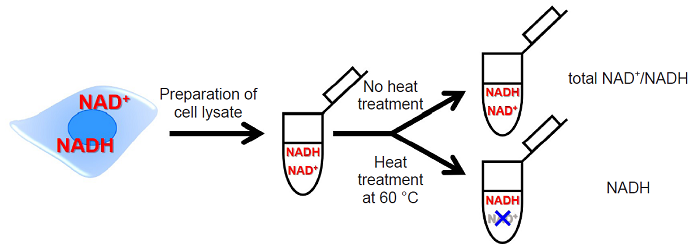
Additionally, the methods used to measure NAD+ can differ across studies, making it difficult to compare results. Some labs measure total NAD+ pools, while others focus on specific metabolites. Without standardized assays, it's challenging to determine the true effectiveness of these supplements.
Another factor to consider is the study population. Early trials often involve healthy volunteers, who may not see significant improvements compared to individuals with metabolic issues or age-related decline. This means that the benefits of NAD+ boosters may be more pronounced in certain groups than others.
Potential Benefits and Real-World Examples

Despite the uncertainties, there are some promising signals from human trials. For example, some small studies have reported improved insulin sensitivity in specific groups, better mitochondrial function, and modest gains in physical performance among older adults. These findings suggest that NAD+ boosters may offer some benefits, particularly for individuals with underlying health conditions.
However, it's important to approach these findings with caution. Many of the studies are preliminary and need replication in larger, longer-term trials before they can be considered definitive. Additionally, the long-term safety of these supplements beyond a year is still unknown.
Real-world examples also highlight the variability in responses. Some people report subtle changes in energy or mental clarity after starting an NAD+ booster, while others see little to no effect. This variability underscores the importance of personalized approaches and close monitoring when using these supplements.
Safety and Long-Term Considerations

Short-term clinical trials have generally shown that NR and NMN are well-tolerated at tested doses, with few serious adverse events reported. However, long-term safety data beyond about a year are limited. One theoretical concern is the potential impact on methylation pathways, which could affect levels of S-adenosylmethionine (SAMe) and homocysteine in some individuals. This is why it's recommended to check B-vitamin status, especially folate and B12, if considering prolonged use.
It's also worth noting that supplements are not regulated like prescription medications, so product quality can vary. Look for brands that provide third-party testing, certificates of analysis, and follow good manufacturing practices. Transparency and quality assurance are essential when choosing an NAD+ booster.
Choosing the Right Supplement

If you're considering an NAD+ booster, it's important to choose a reputable product. Look for brands that base their dosing on human clinical trial ranges and prioritize transparency. For example, Tonum's Nouro is designed with research-backed formulations and focuses on long-term safety and efficacy.
When selecting a supplement, consider the following:
- Quality and Testing: Choose products that undergo third-party testing and provide certificates of analysis.
- Dose and Formulation: Opt for doses consistent with human clinical trials, typically ranging from 250 to 2,000 mg/day for NR and 250 to 1,200 mg/day for NMN.
- Transparency: Brands that openly share their research and methodologies are more likely to offer reliable products.
A Practical Approach to Testing

Deciding whether to try an NAD+ booster is a personal choice best made with a healthcare provider. A practical plan might look like this:
- Define a Clear Goal: Are you looking to improve glucose control, boost energy, or enhance cognitive function? Be specific to make tracking possible.
- Baseline Tests: Use lab tests or performance measures that align with your goals. For example, fasting glucose, HbA1c, or timed walking tests.
- Choose a Reputable Product: Select a high-quality supplement with transparent testing and a dose within human clinical trial ranges.
- Time-Bound Trial: Set a reasonable trial window—often 8 to 12 weeks for early signals, longer for metabolic outcomes.
- Reassess and Monitor Safety: Repeat baseline tests after your trial period and check B-vitamin status if planning long-term use.
This structured approach ensures that you can track your progress and make informed decisions about continued use.
Final Thoughts
NAD+ booster supplements represent a promising area of research with potential benefits for energy, metabolism, and aging. However, the science is still evolving, and the long-term effects remain unclear. While these supplements can increase NAD+ levels in the blood, the translation to real-world benefits requires further investigation.
If you're considering trying an NAD+ booster, it's essential to approach it thoughtfully. Discuss your goals with a healthcare provider, choose a reputable product, and monitor your progress. Remember that lifestyle factors like exercise, sleep, and nutrition also play a critical role in supporting NAD+ levels and overall health.
As research continues to advance, we'll gain a clearer understanding of how NAD+ boosters can be used effectively and safely. Until then, a cautious, evidence-based approach is the best path forward.

Post a Comment for "What Are NAD+ Booster Supplements and How Do They Work?"
Post a Comment