10 Effective Self-Regulation Practices to Incorporate Into Your Daily Routine
In a world that constantly demands our attention, it's easy to feel overwhelmed by the noise and distractions. However, mastering self-regulation practices daily can be a powerful tool for maintaining balance, focus, and emotional control. These practices are not just about discipline; they’re about creating a sustainable lifestyle that supports your mental and emotional well-being.
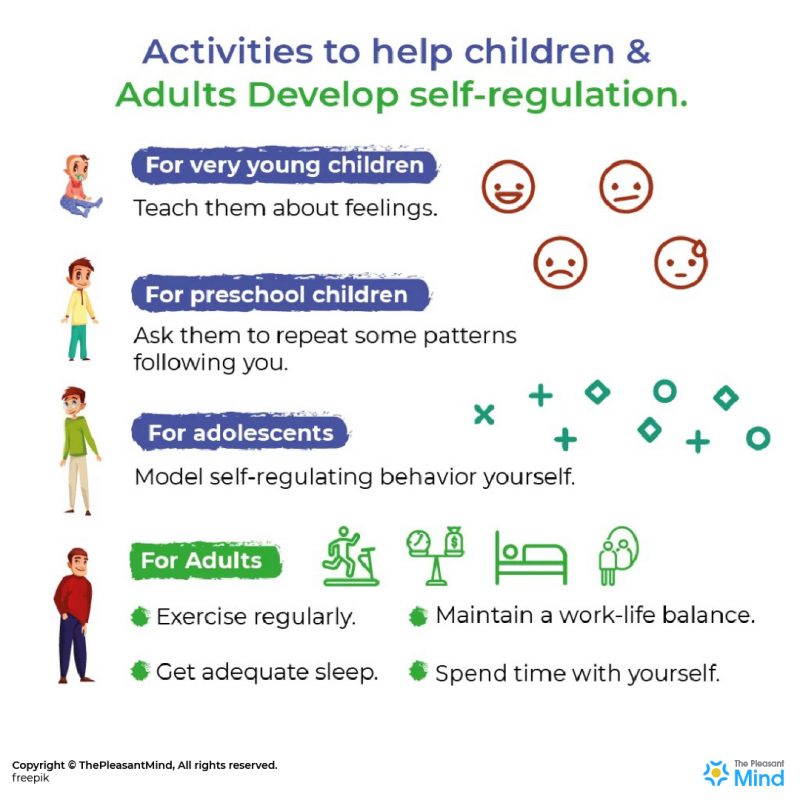
Self-regulation is the ability to manage your emotions, thoughts, and behaviors in a way that aligns with your long-term goals. It involves being aware of your internal state and making conscious choices that lead to positive outcomes. Whether you're trying to improve your productivity, reduce stress, or enhance your relationships, incorporating self-regulation practices into your daily routine can make a significant difference.

1. Mindful Breathing

One of the simplest yet most effective self-regulation practices is mindful breathing. This technique involves focusing on your breath and observing your thoughts without judgment. By taking a few minutes each day to breathe deeply and consciously, you can calm your mind and reduce stress.
To practice mindful breathing:
- Find a quiet space where you won't be disturbed.
- Sit comfortably and close your eyes.
- Take a deep breath in through your nose, allowing your abdomen to expand.
- Exhale slowly through your mouth, releasing any tension.
- Continue this process for 5-10 minutes, focusing on the sensation of your breath.
This practice helps you become more aware of your body and mind, allowing you to respond to situations with greater clarity and composure.
2. Journaling

Journaling is another powerful self-regulation practice that can help you process your thoughts and emotions. Writing down your experiences, feelings, and reflections can provide insight into your behavior and help you identify patterns that may be hindering your progress.
To get started with journaling:
- Set aside 10-15 minutes each day to write.
- Use prompts such as "What am I grateful for today?" or "What challenges did I face?"
- Reflect on your emotions and how they influenced your actions.
- Look for recurring themes or patterns in your writing.
By regularly reflecting on your experiences, you can gain a deeper understanding of yourself and develop strategies for managing your emotions more effectively.
3. Setting Boundaries

Establishing clear boundaries is essential for maintaining self-regulation. Boundaries help you protect your time, energy, and emotional well-being by defining what is acceptable and what is not. This practice is particularly important in today's fast-paced world, where it's easy to overcommit and neglect your own needs.
To set effective boundaries:
- Identify your priorities and values.
- Communicate your limits clearly to others.
- Learn to say "no" when necessary.
- Be consistent in enforcing your boundaries.
By setting and maintaining healthy boundaries, you create a supportive environment that allows you to focus on your goals and well-being.
4. Physical Activity

Regular physical activity is a crucial component of self-regulation. Exercise not only improves your physical health but also enhances your mental and emotional well-being. It helps reduce stress, improve mood, and increase cognitive function, all of which contribute to better self-regulation.
To incorporate physical activity into your routine:
- Choose activities you enjoy, such as walking, cycling, or yoga.
- Aim for at least 30 minutes of moderate exercise most days of the week.
- Schedule your workouts to ensure consistency.
- Combine physical activity with mindfulness practices, such as walking meditation.
By making physical activity a regular part of your life, you can build resilience and improve your ability to manage stress and emotions.
5. Time Management

Effective time management is a key aspect of self-regulation. By organizing your tasks and prioritizing your responsibilities, you can reduce overwhelm and increase productivity. This practice involves planning your day, setting realistic goals, and avoiding procrastination.
To improve your time management skills:
- Use tools like calendars, planners, or digital apps to organize your schedule.
- Break large tasks into smaller, manageable steps.
- Eliminate distractions by creating a dedicated workspace.
- Review your progress regularly and adjust your plans as needed.
By managing your time effectively, you can maintain focus and achieve your goals more efficiently.
6. Positive Affirmations

Positive affirmations are statements that reinforce your self-worth and capabilities. They can help shift your mindset from negative to positive, enhancing your self-regulation skills. By consistently reminding yourself of your strengths and achievements, you can build confidence and resilience.
To use positive affirmations effectively:
- Choose affirmations that resonate with you, such as "I am capable of achieving my goals."
- Repeat them daily, either aloud or in your mind.
- Focus on the emotions associated with the affirmations.
- Adjust your affirmations as needed to reflect your current goals and challenges.
By incorporating positive affirmations into your daily routine, you can cultivate a more positive and empowered mindset.
7. Limiting Screen Time

In today's digital age, it's easy to become addicted to screens, which can negatively impact your self-regulation. Excessive screen time can lead to distraction, decreased attention span, and increased stress. By limiting your screen time, you can create space for more meaningful activities and interactions.
To reduce screen time:
- Set specific times for checking your phone or computer.
- Replace screen time with activities like reading, exercising, or spending time outdoors.
- Use apps that track and limit your screen usage.
- Create tech-free zones in your home, such as the bedroom or dining area.
By being mindful of your screen habits, you can improve your focus and overall well-being.
8. Practicing Gratitude

Gratitude is a powerful self-regulation practice that can enhance your mood and perspective. By focusing on the positive aspects of your life, you can shift your mindset and reduce stress. This practice involves acknowledging and appreciating the good things in your life, no matter how small.
To incorporate gratitude into your routine:
- Keep a gratitude journal and write down three things you're grateful for each day.
- Share your gratitude with others, whether through a conversation or a note.
- Reflect on the positive experiences in your life.
- Use gratitude as a reminder of your strengths and accomplishments.
By practicing gratitude regularly, you can cultivate a more positive and resilient mindset.
9. Seeking Support
Building a support network is essential for maintaining self-regulation. Having people around you who understand and encourage your goals can provide motivation and accountability. This practice involves reaching out to friends, family, or professionals for guidance and support.
To seek support effectively:
- Identify individuals who can offer encouragement and advice.
- Join groups or communities that share your interests or goals.
- Don't hesitate to ask for help when needed.
- Be open to feedback and willing to learn from others.
By building a strong support system, you can navigate challenges more effectively and stay focused on your goals.
10. Reflecting on Progress

Finally, reflecting on your progress is a crucial self-regulation practice. Taking time to evaluate your achievements and challenges can help you stay motivated and make necessary adjustments. This practice involves looking back at your journey and celebrating your successes.
To reflect on your progress:
- Set aside time each week to review your goals and accomplishments.
- Identify what worked well and what could be improved.
- Adjust your strategies based on your reflections.
- Celebrate your milestones, no matter how small.
By regularly reflecting on your progress, you can maintain momentum and continue growing in your self-regulation journey.
Incorporating these self-regulation practices into your daily routine can transform your life. By becoming more aware of your thoughts, emotions, and behaviors, you can take control of your well-being and achieve your goals. Remember, self-regulation is a continuous process that requires patience, practice, and persistence. With dedication and consistency, you can develop the skills needed to thrive in today's demanding world.

Post a Comment for "10 Effective Self-Regulation Practices to Incorporate Into Your Daily Routine"
Post a Comment