Understanding the Health Impact of Microplastics: What You Need to Know
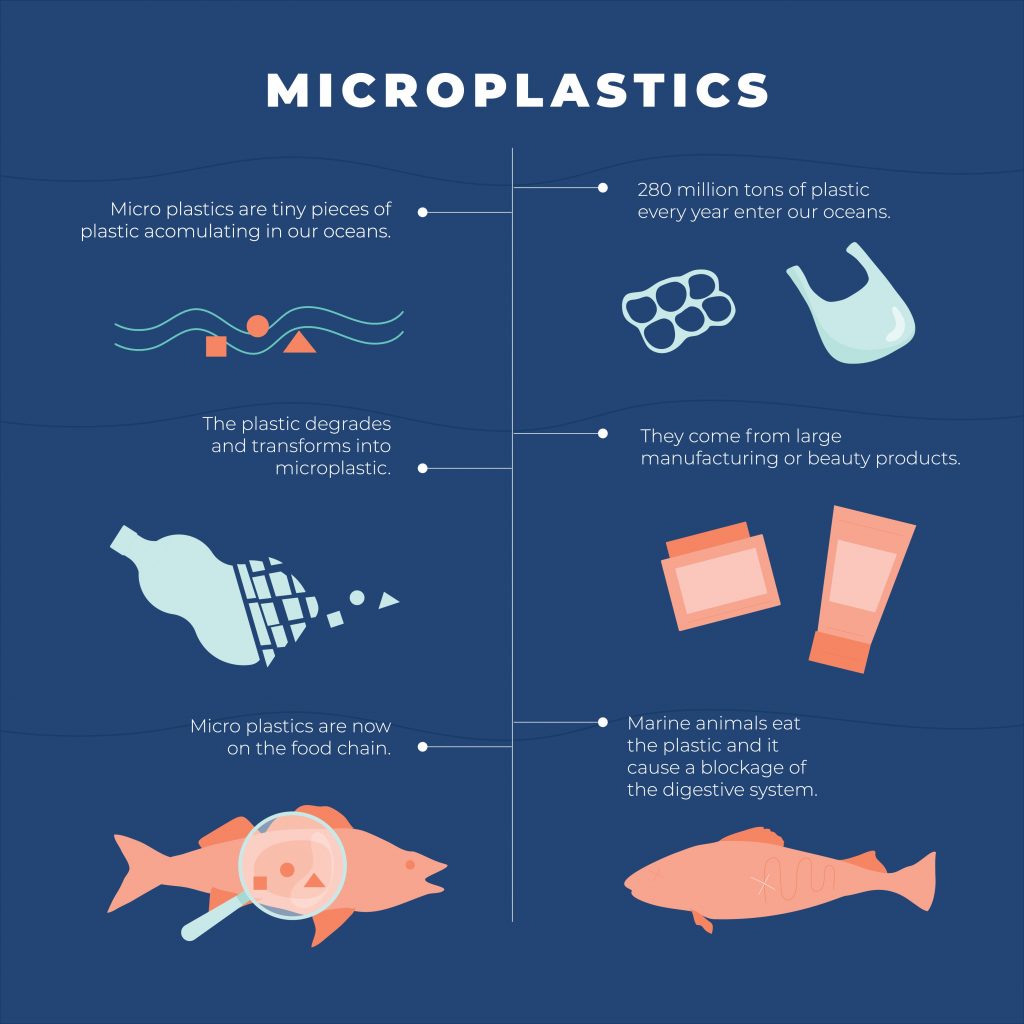
Microplastics—tiny fragments of plastic less than 5 millimeters in size—are now a ubiquitous presence in our environment. From the water we drink to the air we breathe, these particles have infiltrated every corner of the globe, including the human body. While their environmental impact has been widely discussed, the health implications are still being unraveled. This article explores what microplastics are, how they affect human health, and what steps individuals can take to reduce exposure.
What Are Microplastics?
Microplastics are small pieces of plastic that come from two main sources: primary and secondary. Primary microplastics are manufactured to be small, such as microbeads found in cosmetics or microfibers shed from synthetic clothing. Secondary microplastics result from the breakdown of larger plastic items, like bottles, bags, and fishing gear, over time due to weathering, UV radiation, and mechanical stress.
These particles are incredibly persistent. Scientists estimate that over 10 million metric tons of microplastics enter the environment annually, and if current trends continue, this number could double by 2040. The durability of plastics means they don’t biodegrade easily, instead breaking down into smaller and smaller fragments that remain in ecosystems for decades.
[IMAGE: Microplastic impact health]
How Do Microplastics Enter the Human Body?
Microplastics can enter the human body through multiple pathways:
- Inhalation: Tiny plastic particles are present in the air, especially in urban areas, and can be inhaled.
- Ingestion: Microplastics are found in food, particularly seafood, bottled water, and even in fruits and vegetables.
- Skin Contact: Some personal care products contain microplastics, which can be absorbed through the skin.
Studies have detected microplastics in various organs, including the brain, liver, kidneys, and even in breast milk and placenta. Researchers have also found them in the blood, urine, and feces of humans.
[IMAGE: Microplastic impact health]
What Are the Health Risks?
The health effects of microplastics are not yet fully understood, but growing evidence suggests they may pose significant risks:
1. Inflammation and Oxidative Stress
Microplastics can trigger inflammatory responses in the body. They may cause oxidative stress, a condition where the body’s antioxidant defenses are overwhelmed, leading to cellular damage. This can contribute to chronic diseases such as heart disease, diabetes, and cancer.
2. Neurological Effects
Research on animals and cell cultures indicates that microplastics may affect the nervous system. In mice, exposure to microplastics has been linked to changes in behavior, memory, and learning. Some studies suggest that microplastics could play a role in neurodegenerative diseases like Alzheimer’s and Parkinson’s.
3. Cardiovascular Damage
A 2024 study published in The New England Journal of Medicine found that people with microplastics in their arterial plaque had a higher risk of heart attacks and strokes. Researchers believe microplastics may contribute to vascular inflammation and the buildup of plaque in arteries.
4. Reproductive and Developmental Harm
Microplastics have been found in reproductive organs, including testicles and the placenta. Studies on animals suggest that exposure to microplastics may disrupt hormone function and affect fertility. In children, researchers have found microplastics in tonsil tissue, raising concerns about long-term developmental impacts.
[IMAGE: Microplastic impact health]
What Can Be Done?
While it’s impossible to completely avoid microplastics, there are steps individuals can take to reduce exposure:
1. Reduce Plastic Use
Avoid single-use plastics whenever possible. Opt for reusable containers, glass bottles, and metal utensils. Choose products made from natural materials, such as cotton or bamboo, rather than synthetic fabrics.
2. Be Mindful of Food and Water Sources
Choose tap water over bottled water, as some studies show that bottled water contains more microplastics. Wash fruits and vegetables thoroughly to remove any surface contaminants. Eat a variety of foods to minimize exposure to contaminated sources.
3. Support Sustainable Practices
Encourage your community to adopt recycling programs and support companies that use eco-friendly packaging. Advocate for policies that limit plastic production and promote alternatives.
4. Stay Informed
Keep up-to-date with research on microplastics and their health effects. Organizations like the World Health Organization (WHO) and the Environmental Protection Agency (EPA) provide valuable resources and guidelines.
[IMAGE: Microplastic impact health]
The Way Forward
Despite the challenges, scientists and public health officials are working to better understand the full scope of microplastic exposure and its consequences. Research is ongoing, and new findings are emerging regularly. As more data becomes available, it will be crucial to develop effective strategies to mitigate the risks associated with microplastics.
Individuals, communities, and governments all have a role to play in reducing plastic pollution and protecting public health. By making informed choices and supporting sustainable practices, we can help create a cleaner, healthier future for ourselves and future generations.
[IMAGE: Microplastic impact health]

Post a Comment for "Understanding the Health Impact of Microplastics: What You Need to Know"
Post a Comment