Top Microbiome Diversity Strategies to Improve Gut Health and Overall Wellness
Your gut is home to trillions of microorganisms, collectively known as your microbiome. This complex ecosystem plays a vital role in everything from digestion to immune function and even mental health. But maintaining a healthy, diverse microbiome isn’t always easy—especially in today’s fast-paced world filled with processed foods, stress, and antibiotic overuse. The good news? There are proven strategies to boost microbiome diversity and support long-term wellness. In this article, we’ll explore the most effective microbiome diversity strategies, backed by science and practical advice.
Understanding the Importance of Microbiome Diversity

The human gut contains more than 100 trillion microbes, including bacteria, fungi, and viruses. These microbes work together to break down food, produce essential nutrients, and regulate the immune system. However, when this balance is disrupted—often due to poor diet, stress, or medication—it can lead to a range of health issues, from digestive discomfort to chronic inflammation.
Diversity within the microbiome is key. A more varied microbial community is associated with better health outcomes, as it allows for a wider range of functions and resilience against disruptions. Studies show that people with a high level of microbial diversity tend to have stronger immune systems, better metabolism, and lower risks of conditions like obesity and diabetes.
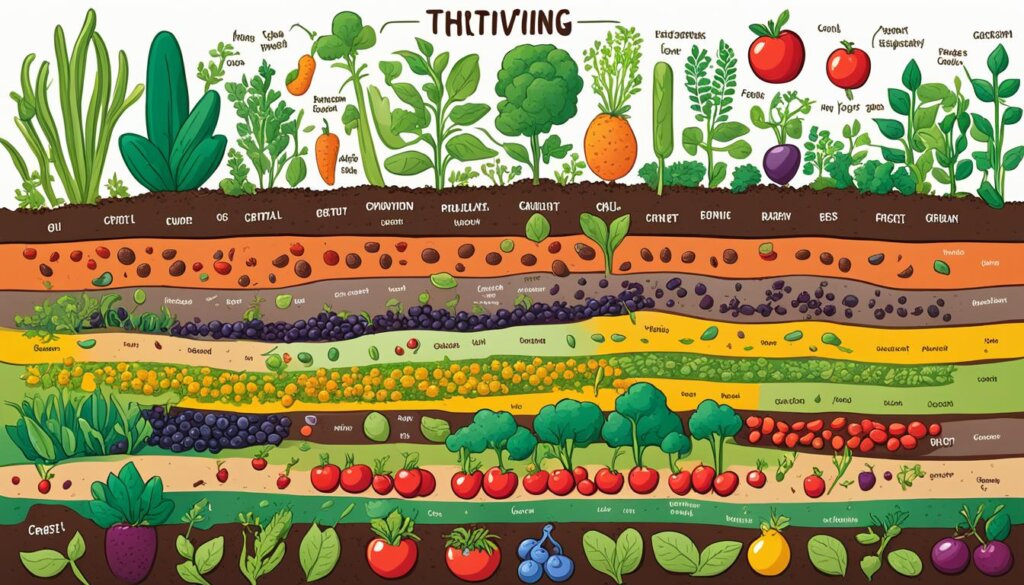
1. Eat a Rainbow of Plant Foods
One of the simplest and most effective ways to support microbiome diversity is to eat a wide variety of plant-based foods. Different colors in fruits and vegetables indicate different phytonutrients, each of which can support specific bacterial species. For example:
- Red (tomatoes, beets): Rich in lycopene and anthocyanins.
- Green (kale, spinach): High in chlorophyll and fiber.
- Blue/Purple (berries, eggplant): Packed with antioxidants and polyphenols.
Aim to include at least 30 different plant foods per week. This not only boosts diversity but also ensures you’re getting a broad spectrum of nutrients.
2. Incorporate Fermented Foods Regularly

Fermented foods are a powerful tool for supporting gut health. They contain live bacteria—known as probiotics—that can help replenish beneficial microbes in the gut. Some popular options include:
- Yogurt (with live cultures)
- Kefir
- Kimchi
- Sauerkraut
- Miso
Start slowly, especially if you're new to fermented foods. A small serving a day can make a big difference over time.
3. Limit Ultra-Processed Foods
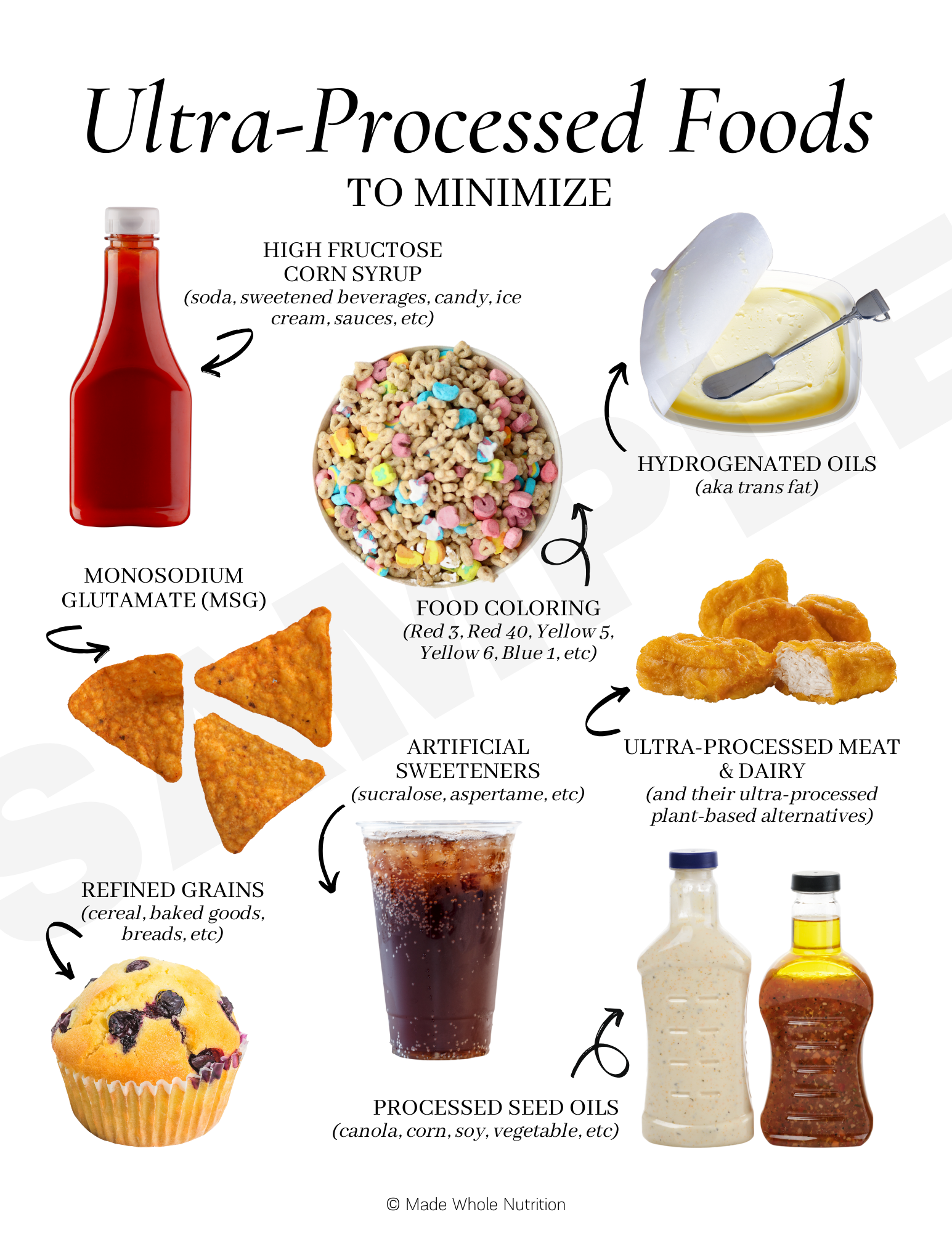
Ultra-processed foods—such as packaged snacks, sugary drinks, and fast food—are linked to reduced microbial diversity. These foods often contain additives like emulsifiers and artificial sweeteners, which can disrupt the gut lining and promote harmful bacteria. Try to replace them with whole, minimally processed foods whenever possible.
4. Prioritize Fiber-Rich Foods
Fiber is the fuel that feeds your beneficial gut bacteria. It comes in two forms: soluble and insoluble. Both are important for gut health. Good sources include:
- Soluble fiber: Oats, apples, flaxseeds
- Insoluble fiber: Whole grains, vegetables, nuts
Aim for 25–30 grams of fiber per day. However, increase your intake gradually to avoid bloating and gas.
5. Manage Stress Effectively

Chronic stress can wreak havoc on your gut. Elevated cortisol levels can alter the gut microbiome, leading to imbalances and increased inflammation. Stress management techniques such as:
- Mindfulness meditation
- Deep breathing exercises
- Regular physical activity
- Quality sleep
can all help maintain a healthy microbiome.
6. Stay Hydrated

Water is essential for maintaining a healthy gut environment. It supports digestion, helps move waste through the intestines, and keeps your stools soft. Aim to drink at least 8 glasses of water daily, and limit sugary drinks and alcohol.
7. Exercise Regularly

Moderate exercise has been shown to improve gut motility and increase the diversity of beneficial bacteria. Activities like walking, cycling, or yoga can all contribute to a healthier microbiome. Even a 15-minute walk after meals can aid digestion and blood sugar regulation.
8. Use Antibiotics Wisely

While antibiotics can be life-saving, they also kill off beneficial bacteria in the gut. Only use them when absolutely necessary, and consider taking probiotics afterward to help restore balance. Talk to your doctor about the best way to support your microbiome during and after antibiotic treatment.
9. Support Healthy Stomach Acid Levels
Stomach acid is crucial for breaking down food and killing harmful bacteria. However, both too much and too little acid can be problematic. Avoid constant grazing, chew your food thoroughly, and consult a healthcare professional if you experience persistent heartburn or indigestion.
10. Get Quality Sleep

Sleep plays a critical role in regulating hormones and maintaining a balanced gut microbiome. Poor sleep can lead to increased inflammation and an imbalance of gut bacteria. Aim for 7–9 hours of sleep each night, and try to keep a consistent sleep schedule.
Conclusion
Improving microbiome diversity is one of the most impactful steps you can take for your overall health. By making small, sustainable changes to your diet, lifestyle, and habits, you can support a thriving gut ecosystem that benefits your body from the inside out. Whether it's eating more plant-based foods, managing stress, or staying active, every action counts. Remember, your gut is a reflection of your overall well-being—nurture it, and it will nurture you in return.

Post a Comment for "Top Microbiome Diversity Strategies to Improve Gut Health and Overall Wellness"
Post a Comment