Top Microbiome-Boosting Foods to Improve Gut Health
Your gut is more than just a digestive organ—it's a complex ecosystem teeming with trillions of microorganisms that play a crucial role in your overall health. From supporting your immune system to influencing your mood and even your weight, the microbiome in your gut has far-reaching effects. That’s why incorporating the right foods into your diet can be a game-changer for your well-being. In this article, we’ll explore a comprehensive list of microbiome-boosting foods that you can easily add to your meals to support a healthier gut.
Understanding the Gut Microbiome

The gut microbiome refers to the community of bacteria, fungi, viruses, and other microbes living in your digestive tract. These microorganisms work together to break down food, produce essential nutrients, and regulate various bodily functions. A balanced microbiome is key to maintaining good health, while an imbalanced one can lead to issues like bloating, constipation, and even chronic diseases.
To keep your gut healthy, it’s important to nourish these microorganisms with the right kinds of foods. This includes foods rich in fiber, probiotics, and prebiotics—each playing a unique role in supporting the growth and activity of beneficial bacteria.
The Role of Probiotics and Prebiotics
Probiotics are live bacteria found in certain foods that can help restore the balance of your gut microbiome. They’re often referred to as “good” bacteria because they promote a healthy environment in your gut. On the other hand, prebiotics are non-digestible fibers that act as food for these beneficial bacteria. Together, probiotics and prebiotics form a powerful duo that supports optimal gut health.
Now that we’ve covered the basics, let’s dive into some of the top microbiome-boosting foods you should consider adding to your diet.
1. Yogurt
Yogurt is one of the most well-known sources of probiotics. It contains live cultures of beneficial bacteria such as Lactobacillus and Bifidobacterium, which can help improve digestion and boost immunity. Look for plain, unsweetened varieties that contain live active cultures to get the most benefit. Adding yogurt to your breakfast or snacks can be an easy way to support your gut health.
2. Kefir

Kefir is a fermented milk drink that’s similar to yogurt but contains a wider variety of probiotic strains. It’s also easier to digest for people who are lactose intolerant. Kefir is rich in vitamins, minerals, and amino acids, making it a nutritious addition to any diet. Try drinking a glass of kefir in the morning or after a meal to support a healthy gut.
3. Sauerkraut

Sauerkraut is a traditional German dish made from fermented cabbage. It’s packed with probiotics that can help improve digestion and support gut health. The fermentation process not only enhances the flavor but also increases the nutritional value of the cabbage. Add sauerkraut to your sandwiches, salads, or as a side dish to enjoy its gut-friendly benefits.
4. Kimchi

Kimchi is a Korean fermented vegetable dish that typically includes napa cabbage, radishes, and a variety of spices. Like sauerkraut, it’s rich in probiotics and can help support a healthy gut microbiome. The fermentation process also creates lactic acid bacteria that can aid in digestion. Try adding kimchi to your meals for a spicy and nutritious boost.
5. Kombucha
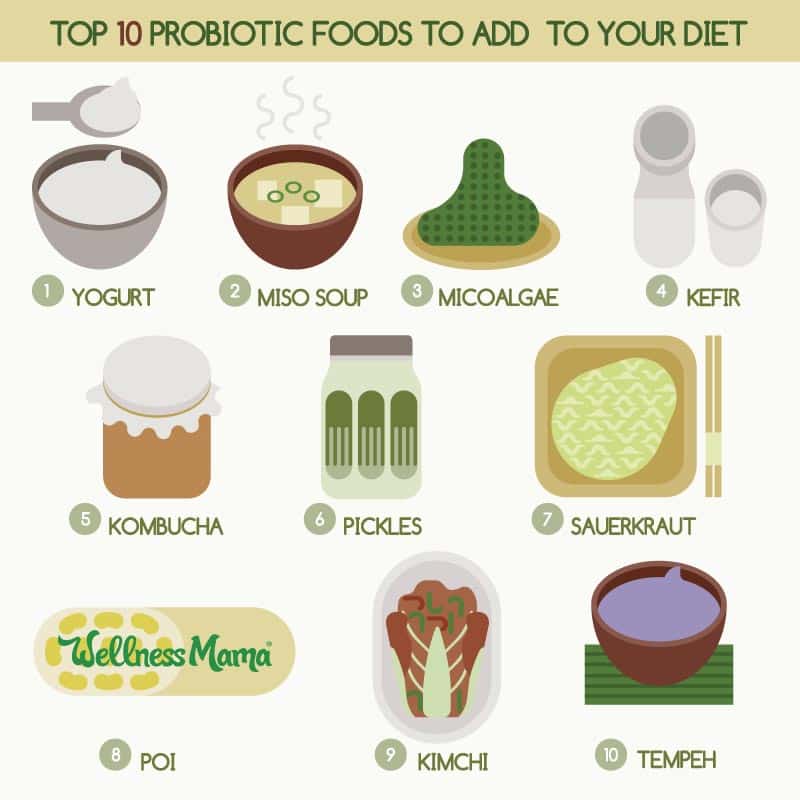
Kombucha is a fizzy, fermented tea that contains probiotics and organic acids. It’s known for its potential health benefits, including improved digestion and immune support. Kombucha is made by fermenting sweetened tea with a symbiotic culture of bacteria and yeast (SCOBY). Start with small amounts to see how your body reacts, and enjoy it as a refreshing alternative to sugary drinks.
6. Fermented Vegetables
In addition to sauerkraut and kimchi, there are many other fermented vegetables that can benefit your gut health. These include pickles, miso, and fermented carrots. Each of these foods contains live cultures that can help maintain a balanced microbiome. Incorporate them into your meals to add flavor and nutrition.
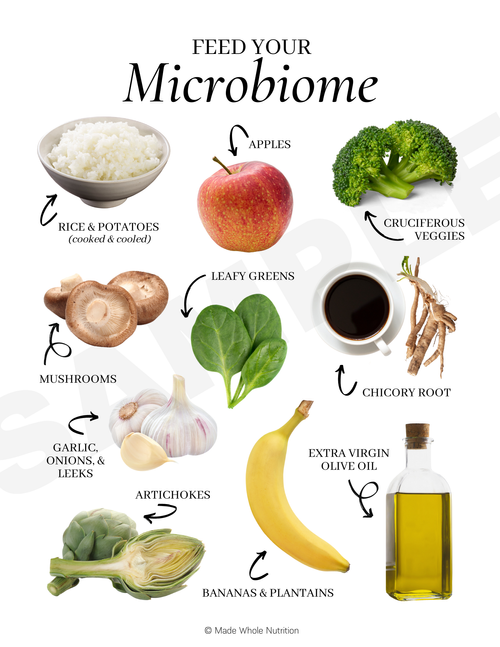
7. Whole Grains
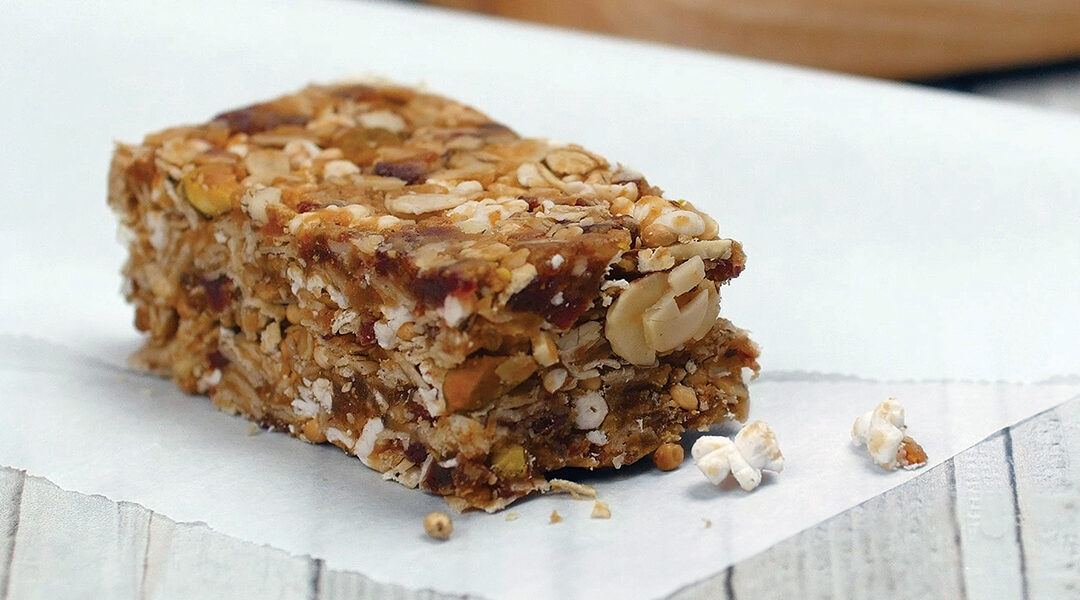
Whole grains like oats, quinoa, and brown rice are excellent sources of fiber, which acts as a prebiotic. Fiber helps feed the beneficial bacteria in your gut, promoting their growth and activity. Whole grains also provide essential nutrients and can help regulate digestion. Include a variety of whole grains in your meals to support a healthy gut.
8. Legumes

Legumes such as black beans, lentils, and chickpeas are high in fiber and protein, making them great for gut health. They contain resistant starch, which acts as a prebiotic and supports the growth of beneficial bacteria. Legumes are also rich in vitamins and minerals, making them a nutritious addition to any diet. Try adding them to soups, salads, or stews for a hearty and healthy meal.
9. Fruits and Vegetables

Fruits and vegetables are rich in fiber, vitamins, and antioxidants that support a healthy gut. Some of the best options include apples, bananas, pears, asparagus, and leafy greens. These foods not only provide essential nutrients but also act as prebiotics, feeding the beneficial bacteria in your gut. Aim to include a variety of colorful fruits and vegetables in your daily meals.
10. Nuts and Seeds
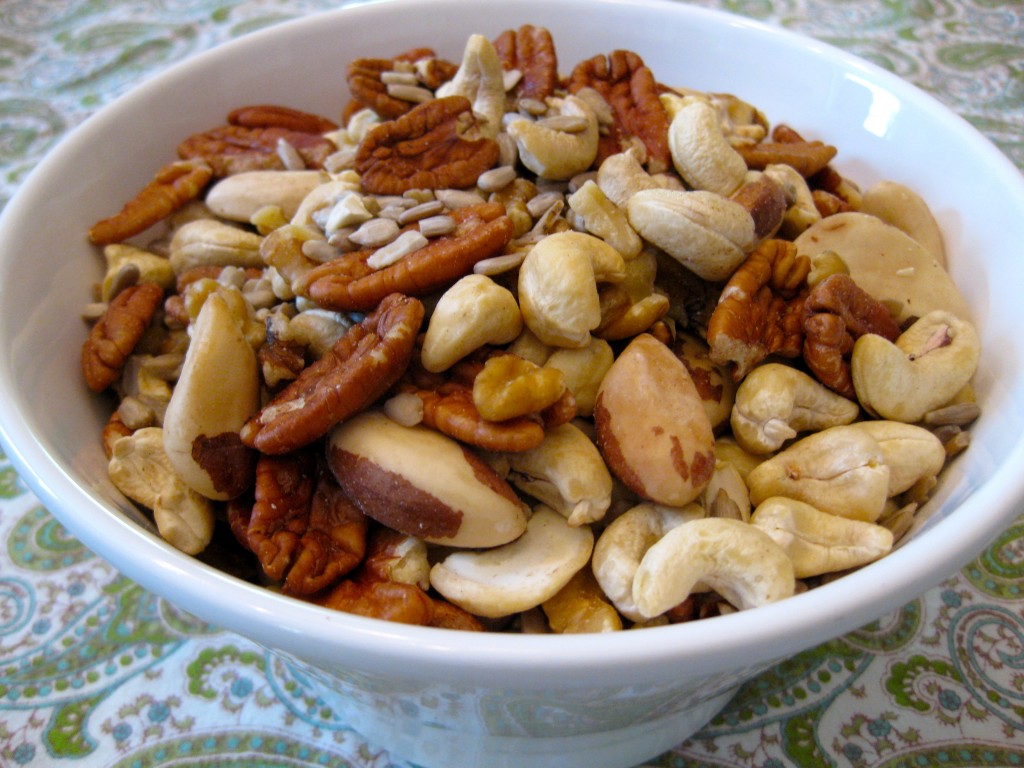
Nuts and seeds like almonds, chia seeds, and flaxseeds are rich in healthy fats, fiber, and antioxidants. They can help support gut health by providing prebiotic fiber that feeds beneficial bacteria. Nuts and seeds are also a great source of protein and can be added to salads, smoothies, or eaten as a snack. Choose raw or lightly roasted varieties to avoid added oils and sugars.
Conclusion
A healthy gut microbiome is essential for overall well-being, and the right foods can make a significant difference. By incorporating probiotic-rich foods like yogurt, kefir, and fermented vegetables, along with prebiotic-rich foods like whole grains, legumes, and fruits, you can support a balanced and thriving gut ecosystem. Remember to choose whole, unprocessed foods whenever possible and stay hydrated to help your gut function at its best. With a little effort and the right choices, you can take control of your gut health and enjoy the many benefits that come with it.

Post a Comment for "Top Microbiome-Boosting Foods to Improve Gut Health"
Post a Comment