Top Memory-Boosting Foods for Seniors to Improve Cognitive Health
As we age, maintaining cognitive health becomes increasingly important. Memory loss, difficulty concentrating, and slower mental processing are common concerns among seniors. However, there’s good news: certain foods can support brain function and enhance memory. These memory-boosting foods for seniors are packed with nutrients that promote neural health, reduce inflammation, and protect against cognitive decline. Whether you're looking to sharpen your mind or simply maintain your current level of mental clarity, incorporating these foods into your diet can make a significant difference.

The Science Behind Memory-Boosting Foods

The human brain is a complex organ that requires a steady supply of nutrients to function optimally. As we age, the brain's ability to produce and utilize key neurotransmitters may decline, leading to issues with memory and focus. Fortunately, research shows that specific nutrients found in everyday foods can help counteract these changes. For example, omega-3 fatty acids, antioxidants, and B vitamins have all been linked to improved cognitive function and reduced risk of neurodegenerative diseases like Alzheimer’s.
These foods work by supporting the structure and function of brain cells, reducing oxidative stress, and promoting blood flow to the brain. By making conscious dietary choices, seniors can take proactive steps to preserve their mental sharpness and overall well-being.
1. Fatty Fish: A Powerhouse for Brain Health
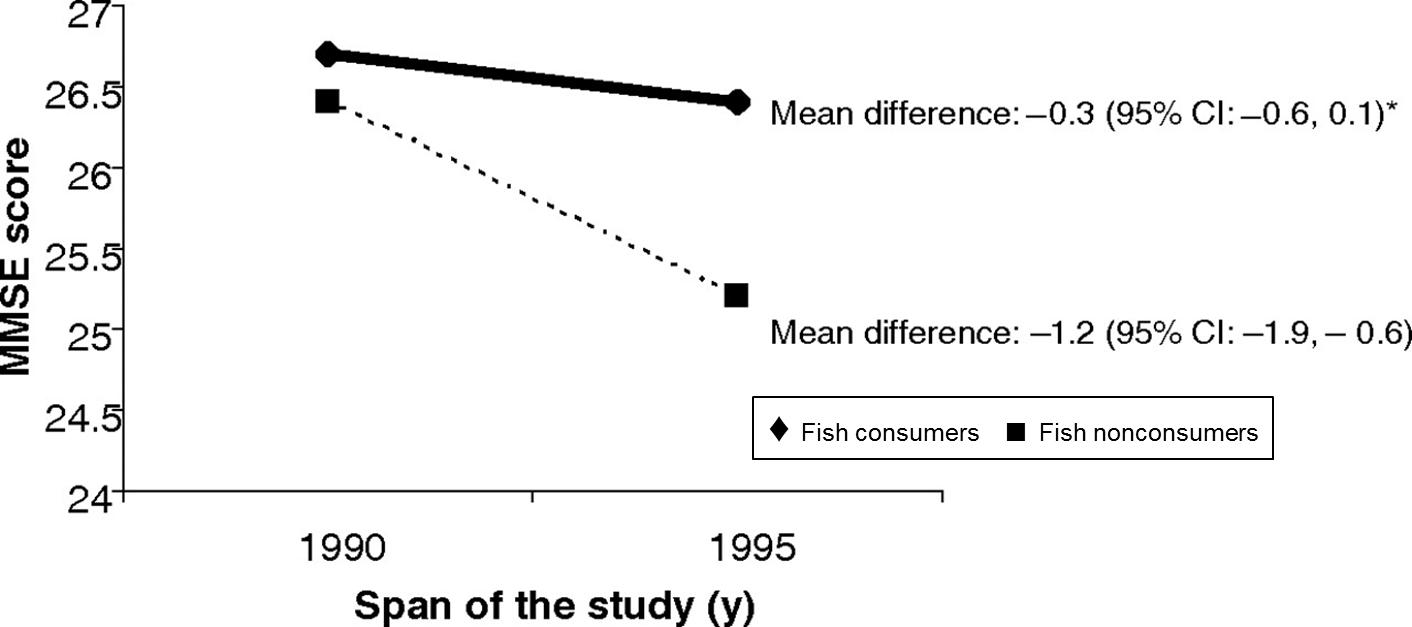
Fatty fish like salmon, mackerel, and sardines are rich in omega-3 fatty acids, particularly docosahexaenoic acid (DHA) and eicosapentaenoic acid (EPA). These essential fats are crucial for maintaining the integrity of brain cell membranes and supporting communication between neurons. Studies have shown that regular consumption of fatty fish can improve memory, reduce the risk of cognitive decline, and even lower the likelihood of developing dementia.
In addition to their brain-boosting properties, fatty fish are also heart-healthy, which is an added benefit for seniors. Aim to include at least two servings of fatty fish per week to reap the full cognitive benefits.
2. Berries: Nature’s Antioxidant Powerhouses

Berries such as blueberries, strawberries, and raspberries are loaded with antioxidants, particularly flavonoids, which have been shown to enhance brain function. These compounds help protect the brain from oxidative stress and inflammation, both of which are linked to cognitive decline. Research suggests that regular berry consumption can improve memory, learning, and motor skills in older adults.
One study found that older adults who consumed a diet rich in berries experienced fewer age-related cognitive impairments compared to those who didn’t. Adding a handful of berries to your morning oatmeal or yogurt can be an easy and delicious way to boost your brain health.
3. Nuts and Seeds: Healthy Fats for Mental Clarity
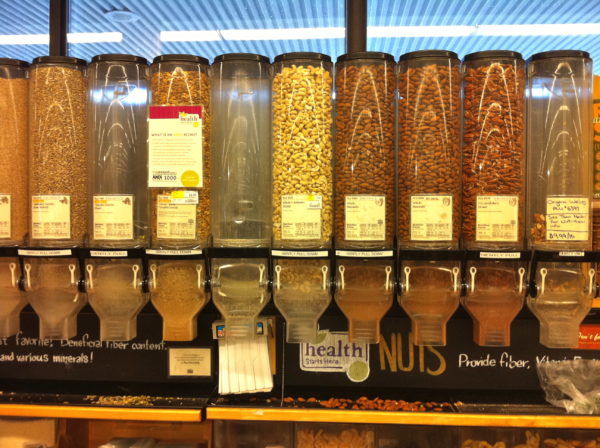
Nuts and seeds, including walnuts, almonds, chia seeds, and flaxseeds, are excellent sources of healthy fats, protein, and essential micronutrients. They contain vitamin E, magnesium, and omega-3 fatty acids, all of which contribute to brain health. Walnuts, in particular, have been linked to improved cognitive function and a reduced risk of Alzheimer’s disease.
These foods also provide fiber and antioxidants, which support overall health. Snacking on a small handful of nuts or adding seeds to salads and smoothies can be a simple way to incorporate these brain-boosting ingredients into your daily routine.
4. Leafy Green Vegetables: Fuel for the Brain

Leafy greens like spinach, kale, and collard greens are packed with nutrients that support brain function. They are rich in folate, vitamin K, and lutein, all of which have been associated with improved memory and cognitive performance. These vegetables also contain antioxidants that help combat oxidative stress and reduce the risk of neurodegenerative diseases.
Studies have shown that seniors who consume a diet high in leafy greens tend to have better cognitive function and slower rates of cognitive decline. Incorporating these vegetables into meals, whether in salads, soups, or stir-fries, can be a great way to support long-term brain health.
5. Eggs: A Source of Choline for Memory Support

Eggs are a nutrient-dense food that provides a range of benefits for brain health. One of the most important nutrients found in eggs is choline, which plays a critical role in the production of acetylcholine, a neurotransmitter involved in memory and learning. Choline also supports the structural integrity of cell membranes and helps regulate mood and sleep.
Research has shown that adequate choline intake is essential for maintaining cognitive function, especially in older adults. Including eggs in your diet, whether scrambled, poached, or in omelets, can be a convenient and tasty way to boost your brain health.
6. Dark Chocolate: A Sweet Way to Boost Brain Function

Dark chocolate, particularly varieties with a high cocoa content (70% or more), contains flavanols that have been shown to improve blood flow to the brain and enhance cognitive function. These compounds also act as antioxidants, protecting the brain from damage caused by free radicals.
Studies suggest that consuming dark chocolate in moderation can improve memory, attention, and problem-solving abilities. However, it’s important to choose high-quality dark chocolate without added sugars and artificial additives. A small piece of dark chocolate after a meal can be a delightful and beneficial treat.
7. Olive Oil: A Heart-Healthy Addition for the Brain

Extra virgin olive oil is a staple of the Mediterranean diet and is known for its numerous health benefits, including its positive impact on brain health. It is rich in monounsaturated fats, antioxidants, and anti-inflammatory compounds that support cognitive function and reduce the risk of neurodegenerative diseases.
Research has shown that regular use of olive oil in cooking can improve memory and slow cognitive decline in older adults. Replacing other cooking oils with extra virgin olive oil can be an easy way to enhance your brain health while enjoying flavorful meals.
Tips for Incorporating Memory-Boosting Foods into Your Diet

In addition to choosing the right foods, there are several strategies you can use to maximize their benefits:
- Eat a variety of foods: No single food can provide all the nutrients your brain needs. Aim for a diverse diet that includes a wide range of brain-boosting foods.
- Stay hydrated: Proper hydration is essential for optimal brain function. Drink plenty of water throughout the day.
- Limit processed foods: Processed and fried foods can increase inflammation and negatively impact cognitive health. Opt for whole, unprocessed foods whenever possible.
- Maintain a balanced lifestyle: Combine a healthy diet with regular physical activity, mental stimulation, and quality sleep for the best results.
Conclusion
Memory-boosting foods for seniors are an essential part of maintaining cognitive health and preventing age-related decline. From fatty fish and berries to leafy greens and dark chocolate, these foods offer a range of nutrients that support brain function and protect against neurodegenerative diseases. By making smart dietary choices and adopting a holistic approach to wellness, seniors can enjoy sharper minds, better focus, and a higher quality of life. Remember, a healthy brain starts with a healthy diet, and small changes can lead to big improvements over time.

Post a Comment for "Top Memory-Boosting Foods for Seniors to Improve Cognitive Health"
Post a Comment