Top Longevity Strategies for Women: Live Longer, Healthier, and Stronger
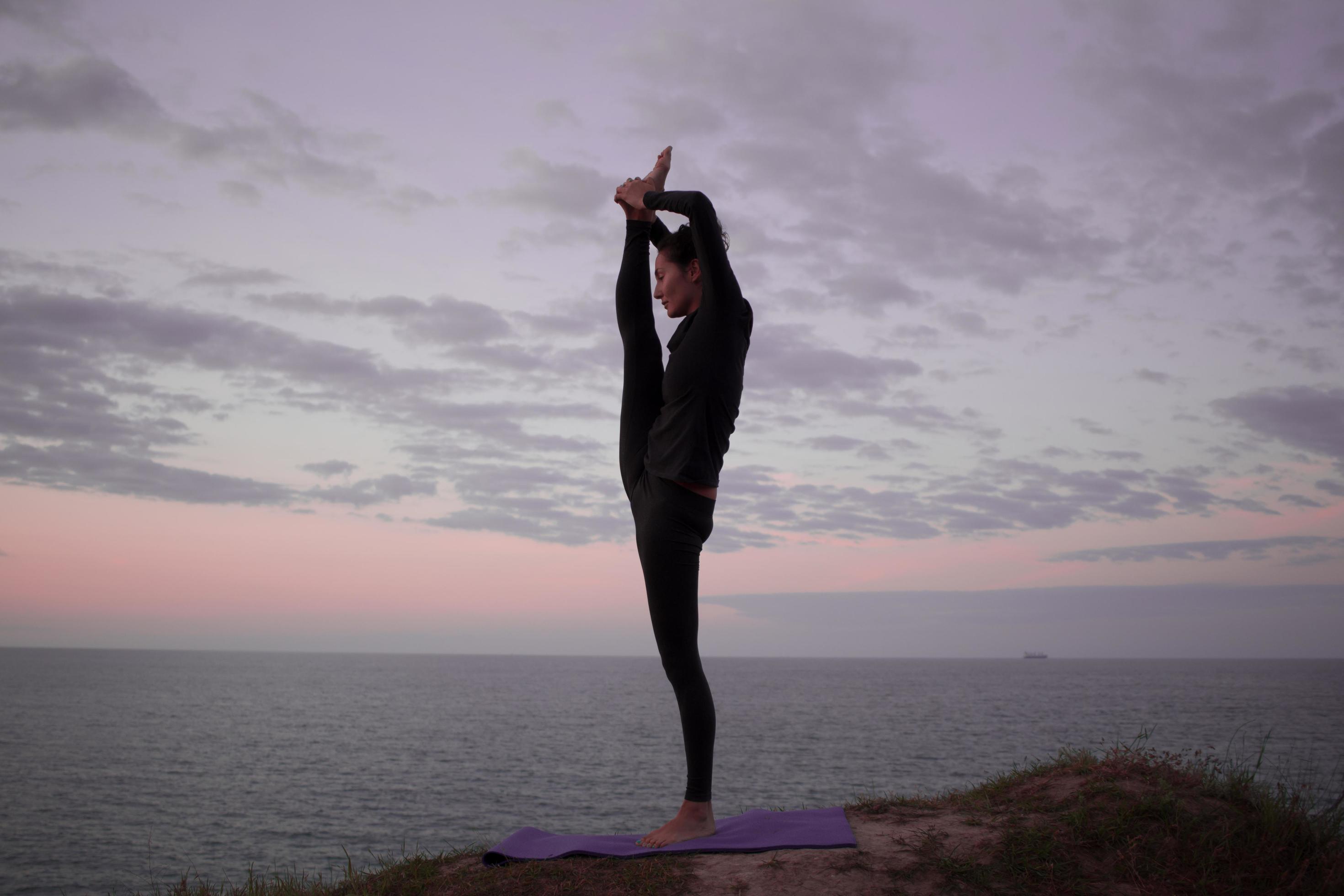
In the United States, women are living longer than ever before. According to recent data, the average life expectancy for women is about 81 years, compared to 76 years for men. But longevity isn’t just about living longer—it’s about aging well. For women, this means embracing strategies that support physical health, mental clarity, and emotional resilience. In this article, we’ll explore practical, science-backed longevity strategies tailored specifically for women, helping you live a longer, healthier, and more vibrant life.
The Power of Daily Movement

Physical activity is one of the most effective ways to boost longevity. For women, regular movement can improve cardiovascular health, enhance mood, and even reduce the risk of chronic diseases like diabetes and heart disease. Research shows that women who engage in consistent physical activity have a lower risk of early death compared to those who are sedentary.
Walking, in particular, is a simple yet powerful form of exercise. It's accessible to almost everyone and offers numerous benefits, including improved blood pressure, cholesterol levels, and mental health. Studies have also found that walking regularly can help maintain bone density, which is especially important during and after menopause when osteoporosis becomes a concern.
Tips for incorporating daily movement: - Aim for at least 30 minutes of moderate-intensity exercise, such as brisk walking or cycling, most days of the week. - Incorporate strength training exercises to build muscle and support joint health. - Find activities you enjoy, like dancing, swimming, or yoga, to make staying active more enjoyable.
Nourish Your Body with Whole Foods

Diet plays a critical role in longevity, and for women, focusing on whole foods can make a significant difference. Whole foods—such as fruits, vegetables, whole grains, lean proteins, and healthy fats—provide essential nutrients that support overall health and reduce the risk of chronic illnesses.
The Mediterranean and DASH diets are excellent examples of eating patterns that promote longevity. These diets emphasize plant-based foods, healthy fats, and limited processed foods. They’ve been linked to lower rates of heart disease, cancer, and other age-related conditions.
Practical steps to eat more whole foods: - Swap ultra-processed snacks for fresh fruits, nuts, or yogurt. - Choose seasonal produce and consider frozen options, which are often just as nutritious as fresh. - Cook meals at home using whole ingredients rather than relying on pre-packaged or fast food.
Prioritize Quality Sleep

Sleep is a cornerstone of health, and for women, it’s especially important. Poor sleep has been linked to a range of health issues, including increased inflammation, weakened immune function, and higher risks of heart disease and diabetes. Studies show that women who get adequate sleep (7-8 hours per night) may live longer and experience better cognitive function as they age.
During sleep, the body performs vital functions, such as clearing toxins from the brain and regulating hormones. Lack of sleep can disrupt these processes, leading to long-term health consequences. For women, the importance of sleep is even more pronounced due to hormonal changes throughout their lives, such as during menstruation, pregnancy, and menopause.
Strategies for better sleep: - Stick to a consistent sleep schedule, even on weekends. - Create a relaxing bedtime routine, such as reading or meditating. - Limit screen time before bed and ensure your sleeping environment is dark, quiet, and cool.
Build and Maintain Social Connections
Human connection is another key factor in longevity. Research consistently shows that strong social ties can reduce stress, improve mental health, and even increase lifespan. For women, who often nurture and maintain deep relationships, social engagement can be a powerful tool for aging well.
Studies have found that people with robust social networks are less likely to experience loneliness and depression, both of which are linked to shorter lifespans. Volunteering, joining community groups, or simply spending time with loved ones can provide emotional support and a sense of purpose.
Ways to strengthen social connections: - Join clubs, classes, or groups that align with your interests. - Make an effort to stay in touch with friends and family regularly. - Volunteer for causes you care about to build meaningful relationships and contribute to your community.
Embrace Optimism and Mindset

Optimism is more than just a positive attitude—it’s a powerful longevity booster. Research suggests that optimistic people tend to live longer, experience less stress, and have better cardiovascular health. This is because optimism encourages healthier behaviors, such as regular exercise, balanced eating, and effective stress management.
For women, maintaining a positive outlook can be especially beneficial during life transitions, such as menopause or career changes. A mindset focused on growth, gratitude, and resilience can help navigate challenges and promote long-term well-being.
Tips for cultivating optimism: - Practice gratitude by reflecting on what you’re thankful for each day. - Set realistic goals and celebrate small achievements. - Surround yourself with positive influences and avoid excessive negativity.
Personalized Health Testing
While general health checkups are valuable, they may not always capture the full picture of a woman’s health. Advanced diagnostic tests can offer deeper insights into metabolic function, hormone levels, and other factors that influence longevity. These tests can help identify potential risks early, allowing for proactive interventions.
For example, advanced blood tests can detect markers of inflammation, insulin resistance, and oxidative stress—key indicators of aging and disease risk. By understanding your unique health profile, you can make informed decisions about lifestyle changes, supplements, or medical treatments that support long-term wellness.
Examples of advanced testing: - Core Longevity Panel: Measures 40+ biomarkers related to aging and health. - iollo Advanced At-Home Blood Diagnostic Test: Analyzes over 600+ biomarkers across 15+ health areas.
Conclusion
Longevity for women is not just about extending life—it’s about living fully, with energy, vitality, and purpose. By prioritizing movement, nutrition, sleep, social connections, and a positive mindset, women can take control of their health and age gracefully. With the right strategies in place, it’s possible to not only live longer but also enjoy a high quality of life well into old age.
Remember, every small step counts. Whether it’s taking a daily walk, eating more whole foods, or connecting with someone you care about, these actions add up to create a lifetime of health and happiness. Start today, and embrace the journey toward a longer, stronger, and more fulfilling life.

Post a Comment for "Top Longevity Strategies for Women: Live Longer, Healthier, and Stronger"
Post a Comment