Top Brain Foods for Memory Improvement: Boost Your Cognitive Health Naturally
Are you looking to sharpen your memory, enhance focus, and protect your brain from age-related decline? The answer might be in your diet. While no single food can magically boost your cognitive abilities overnight, certain nutrient-rich foods have been shown to support brain health and improve memory over time. In this article, we’ll explore the best brain foods for memory improvement, backed by science and expert insights. Whether you're a student aiming to ace exams, a professional seeking better concentration, or someone concerned about aging, these foods could be your secret weapon.
Understanding the Science Behind Brain-Boosting Foods
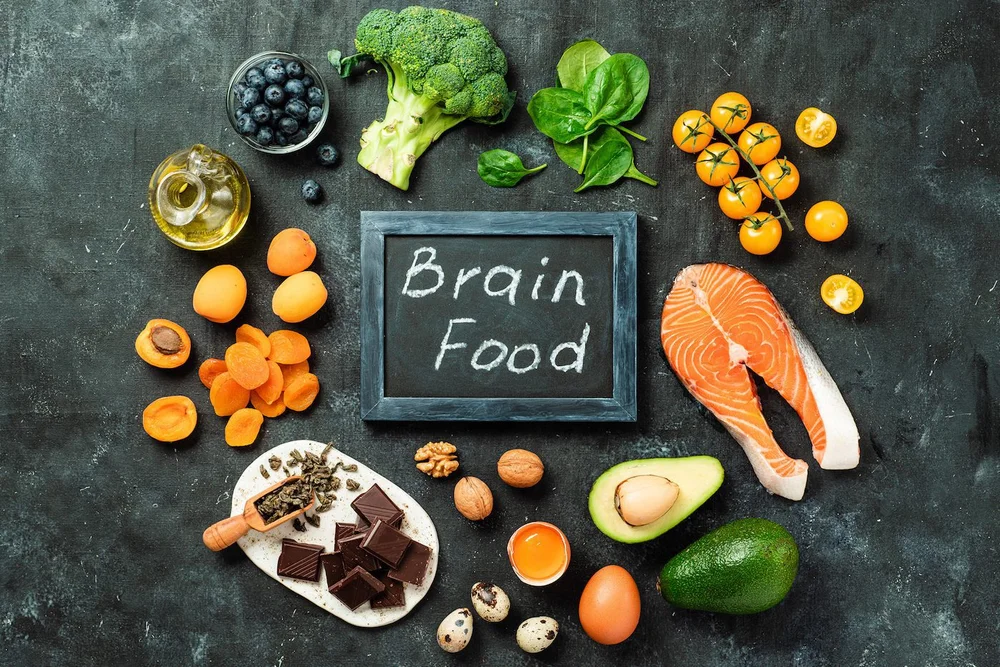
The human brain is an energy-intensive organ, consuming about 20% of the body's total energy. It relies heavily on nutrients like omega-3 fatty acids, antioxidants, and B-vitamins to function optimally. Research has shown that a diet rich in these nutrients can help protect against cognitive decline, improve memory retention, and even reduce the risk of neurodegenerative diseases like Alzheimer’s.
One of the key mechanisms behind this is the role of antioxidants in combating oxidative stress. Free radicals—unstable molecules that damage cells—can harm brain tissue and impair cognitive function. Antioxidants found in fruits, vegetables, and other whole foods help neutralize these harmful molecules, protecting brain cells and promoting long-term mental health.
1. Fatty Fish: Omega-3 Powerhouses

Fatty fish like salmon, mackerel, and sardines are among the most studied brain-boosting foods. They’re packed with omega-3 fatty acids, particularly DHA (docosahexaenoic acid), which is a major component of brain cell membranes. These fats play a crucial role in maintaining the structure and function of neurons, supporting learning, memory, and overall cognitive performance.
Studies have shown that people who consume fatty fish regularly tend to have better cognitive function as they age. A low intake of omega-3s, on the other hand, has been linked to an increased risk of memory loss and dementia. For optimal benefits, aim to include at least two servings of fatty fish per week.
Why It Matters
Omega-3s not only support brain structure but also improve blood flow to the brain, enhancing its ability to process information efficiently.
2. Leafy Greens: Nutrient-Dense Superfoods
Leafy greens such as spinach, kale, and broccoli are loaded with vitamins, minerals, and antioxidants that support brain health. They contain lutein, beta-carotene, and folate—nutrients that help protect the brain from oxidative damage and support cognitive function.
Research suggests that eating just one serving of leafy greens daily can slow down cognitive decline in older adults. These vegetables also provide vitamin K, which plays a role in the metabolism of sphingolipids, a type of fat found in brain cells.
Practical Tip
Add a handful of spinach to your morning smoothie or sauté kale with garlic for a quick and nutritious side dish.
3. Berries: Antioxidant-Rich Boosters

Berries like blueberries, strawberries, and raspberries are rich in flavonoids and anthocyanins—powerful antioxidants that cross the blood-brain barrier and target areas involved in memory and learning. These compounds help reduce inflammation and oxidative stress, both of which are linked to cognitive decline.
A study found that consuming a handful of wild blueberries daily can improve reaction times and memory. Berries also contain vitamin C, another antioxidant that supports brain function and helps prevent age-related cognitive decline.
Why It Matters
Regular consumption of berries may help maintain sharp memory and delay the onset of neurodegenerative diseases.
4. Walnuts: Brain-Protective Nuts
Walnuts are a concentrated source of antioxidants, including vitamin E, selenium, and flavonoids. They also provide alpha-linolenic acid (ALA), a plant-based form of omega-3 fatty acids. These nutrients work together to reduce the risk of age-related diseases and support brain health.
Long-term walnut consumption has been associated with a lower risk of Alzheimer’s disease and mild cognitive impairment. The recommended daily serving is 1 to 1.5 ounces (about 12–18 halves).
Practical Tip
Sprinkle walnuts on salads, yogurt, or oatmeal for a crunchy, brain-boosting addition.
5. Coffee and Tea: Stimulants with Cognitive Benefits

Coffee and tea are more than just beverages—they’re rich in caffeine and antioxidants that can enhance alertness, mood, and cognitive function. Caffeine stimulates the central nervous system, improving focus and reducing fatigue. Meanwhile, the antioxidants in coffee and tea, such as chlorogenic acid and catechins, protect the brain from oxidative stress.
A 2021 study found that drinking 2 to 3 cups of coffee or tea daily was linked to a 32% lower risk of stroke and a 28% lower risk of dementia. However, it’s important to note that these studies are observational and don’t prove a direct cause-and-effect relationship.
Why It Matters
Moderate coffee and tea consumption can be a simple yet effective way to support long-term brain health.
6. Eggs: Choline and Tryptophan for Cognitive Function
Eggs are a powerhouse of nutrients, including choline, which is essential for producing acetylcholine—a neurotransmitter involved in memory and mood regulation. They also contain tryptophan, an amino acid that may improve perceptual motor skills and attention.
Low levels of choline and tryptophan have been linked to cognitive impairments in older adults. Including eggs in your diet can help maintain healthy brain function and support mental clarity.
Practical Tip
Try scrambling eggs with spinach and tomatoes for a nutrient-packed breakfast.
7. Whole Grains: Fiber and B-Vitamins for Long-Term Protection
Whole grains like oats, quinoa, and brown rice are rich in fiber, vitamin E, and B-vitamins, all of which are associated with a lower risk of dementia. They also help regulate blood sugar levels, which is important for maintaining stable energy and cognitive function.
Research suggests that a higher intake of whole grains may reduce the risk of conditions like type 2 diabetes and cardiovascular disease, both of which are linked to cognitive decline. While more research is needed, incorporating whole grains into your diet is a smart move for long-term brain health.
Why It Matters
Whole grains support metabolic health, which in turn benefits the brain.
8. Avocados: Healthy Fats for Better Memory
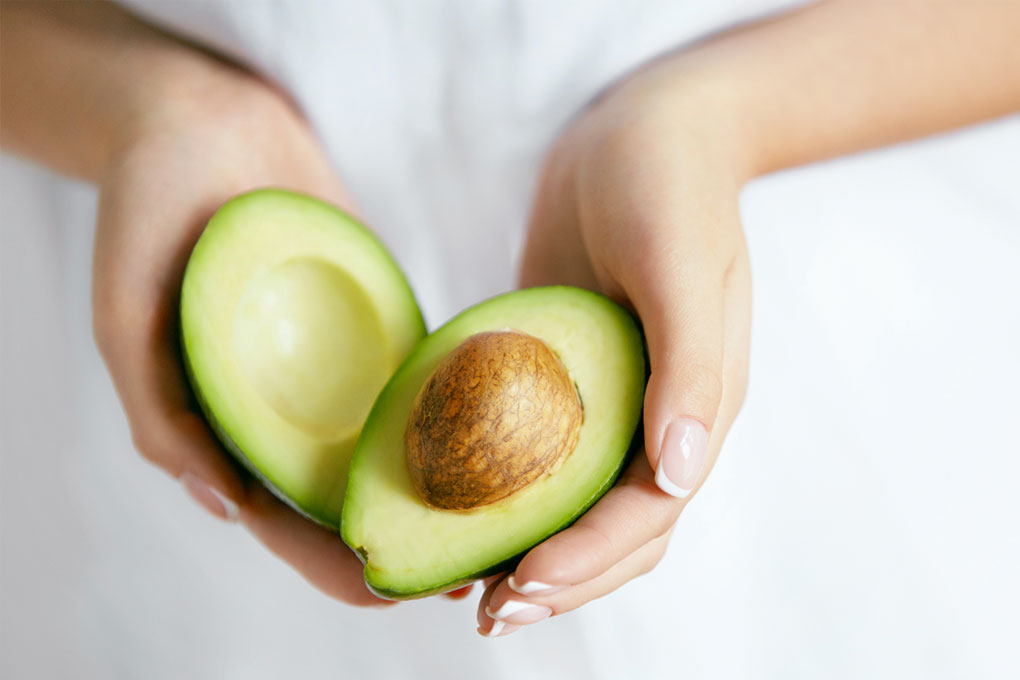
Avocados are packed with monounsaturated fats, B vitamins, and lutein—nutrients that support brain health and improve memory. Studies have shown that older adults who consume avocados regularly have better cognitive scores, especially in memory-related tasks.
The healthy fats in avocados also promote blood flow to the brain, which can enhance cognitive performance. Adding avocado to sandwiches, salads, or smoothies is an easy way to reap these benefits.
Practical Tip
Mash avocado and spread it on whole-grain toast for a delicious and brain-boosting snack.
9. Flax and Chia Seeds: Plant-Based Omega-3 Sources
Flaxseeds and chia seeds are excellent sources of alpha-linolenic acid (ALA), a plant-based form of omega-3 fatty acids. They also contain antioxidants and fiber, making them a valuable addition to any brain-boosting diet.
Research has shown that consuming flaxseed oil or ground flaxseeds can improve verbal fluency and brain function in older adults. Chia seeds, while less studied, have also been linked to improved cognitive performance in younger populations.
Why It Matters
These seeds offer a vegan-friendly option for those looking to increase their omega-3 intake without relying on fish.
Conclusion: Fuel Your Brain for Long-Term Health
Improving memory and cognitive function isn’t just about taking supplements or following trendy diets—it’s about making consistent, informed choices about what you eat. By incorporating brain-boosting foods like fatty fish, leafy greens, berries, walnuts, and avocados into your daily meals, you can support your brain’s health and protect it from age-related decline.
Remember, no single food will transform your memory overnight, but a balanced, nutrient-rich diet can make a significant difference over time. Start small, experiment with new recipes, and pay attention to how your body—and mind—respond. With the right approach, you can take control of your cognitive health and enjoy sharper thinking, better focus, and a more resilient brain for years to come.

Post a Comment for "Top Brain Foods for Memory Improvement: Boost Your Cognitive Health Naturally"
Post a Comment