Top Brain Foods for Memory Improvement: A Comprehensive List
If you're looking to boost your memory, sharpen your focus, and enhance your cognitive function, the foods you eat play a crucial role. Your brain is constantly working, and it needs the right nutrients to perform at its best. The good news is that there are numerous brain-boosting foods that can help improve memory and support overall brain health. In this article, we’ll explore the top brain foods for memory improvement, their benefits, and how to incorporate them into your daily routine.
The Science Behind Brain-Boosting Foods

Your brain requires a variety of nutrients to function optimally. These include antioxidants, omega-3 fatty acids, vitamins, and minerals that protect brain cells from damage, reduce inflammation, and support cognitive processes like memory and learning. By choosing the right foods, you can fuel your brain with the nutrients it needs to stay sharp and alert.
Research has shown that certain foods can significantly impact brain health. For example, studies have found that diets rich in antioxidants and healthy fats are associated with better memory and slower cognitive decline. Understanding which foods to prioritize can make a big difference in your mental performance.
10 Best Brain Foods for Memory Improvement
1. Blueberries
Blueberries are often called “brainberries” due to their powerful effects on cognitive function. They are packed with antioxidants, particularly flavonoids, which help protect the brain from oxidative stress and inflammation. Research has shown that blueberries can improve learning and memory, even in older adults.
How to Incorporate: Add blueberries to smoothies, yogurt, or oatmeal. You can also enjoy them as a snack or mix them into baked goods.
2. Fatty Fish (Salmon, Sardines, Tuna)
Fatty fish like salmon, sardines, and tuna are excellent sources of omega-3 fatty acids, specifically DHA and EPA. These essential fats are crucial for brain health, as they support the structure and function of brain cells. Omega-3s have been linked to improved memory, reduced inflammation, and a lower risk of cognitive decline.
How to Incorporate: Grill or bake salmon, add canned sardines to salads, or use tuna in sandwiches. Aim for at least two servings of fatty fish per week.
3. Walnuts
Walnuts are another great source of omega-3 fatty acids, particularly alpha-linolenic acid (ALA). They also contain antioxidants and other nutrients that support brain function. Studies suggest that walnuts may improve reaction times, memory, and learning.
How to Incorporate: Snack on a handful of walnuts, add them to salads, or use them in baking. A serving size is about 1 tablespoon.
4. Eggs
Eggs are rich in choline, a nutrient essential for the production of acetylcholine, a neurotransmitter involved in memory and learning. They also provide B vitamins, which support brain function and development. Eating eggs regularly can help maintain cognitive health and reduce the risk of Alzheimer’s disease.
How to Incorporate: Enjoy eggs for breakfast, add them to salads, or use them in omelets. Whole eggs are the best source of choline.
5. Avocados
Avocados are high in monounsaturated fats, which support the production of acetylcholine and promote brain cell health. They also contain tyrosine, an amino acid that helps produce dopamine, a neurotransmitter linked to focus and motivation.
How to Incorporate: Add avocados to salads, smoothies, or toast. A typical serving size is about 1/5th of an avocado.
6. Dark Chocolate
Dark chocolate with a cocoa content of 70% or higher is rich in flavonoids, antioxidants that improve blood flow to the brain and enhance cognitive function. It also contains compounds like phenylethylamine, which can boost mood and energy levels.
How to Incorporate: Enjoy a small piece of dark chocolate as a snack or add it to oatmeal, yogurt, or smoothies. Aim for 1.5 to 3 ounces per day.
7. Turmeric
Turmeric contains curcumin, a compound with strong anti-inflammatory and antioxidant properties. It has been shown to reduce brain inflammation, improve memory, and potentially slow the progression of Alzheimer’s disease. Adding black pepper enhances the absorption of curcumin.
How to Incorporate: Make turmeric tea by mixing turmeric, black pepper, honey, and coconut oil. Use it in cooking or add it to smoothies.
8. Green Leafy Vegetables (Spinach, Kale, Collard Greens)
Leafy greens are rich in vitamin E, folate, and other nutrients that support brain health. They help protect against oxidative stress and improve cognitive function. Studies have shown that regular consumption of leafy vegetables can reduce the risk of age-related mental decline.
How to Incorporate: Add spinach or kale to smoothies, salads, or soups. Try collard greens in stews or as a side dish.
9. Coconut Oil
Coconut oil is high in medium-chain triglycerides (MCTs), which are converted into ketones that provide energy directly to the brain. This can be beneficial for cognitive function, especially in individuals with conditions like Alzheimer’s.
How to Incorporate: Use coconut oil for cooking, baking, or adding to smoothies. Start with 1 teaspoon 2–3 times a day.
10. Berries (Raspberries, Strawberries, Blackberries)
Like blueberries, other berries such as raspberries, strawberries, and blackberries are rich in flavonoids and antioxidants that protect the brain from oxidative stress and inflammation. They also support gut health, which is closely linked to brain function.
How to Incorporate: Eat berries as a snack, add them to smoothies, or use them in desserts. Aim for 3–4 servings per week.
Additional Brain-Boosting Foods
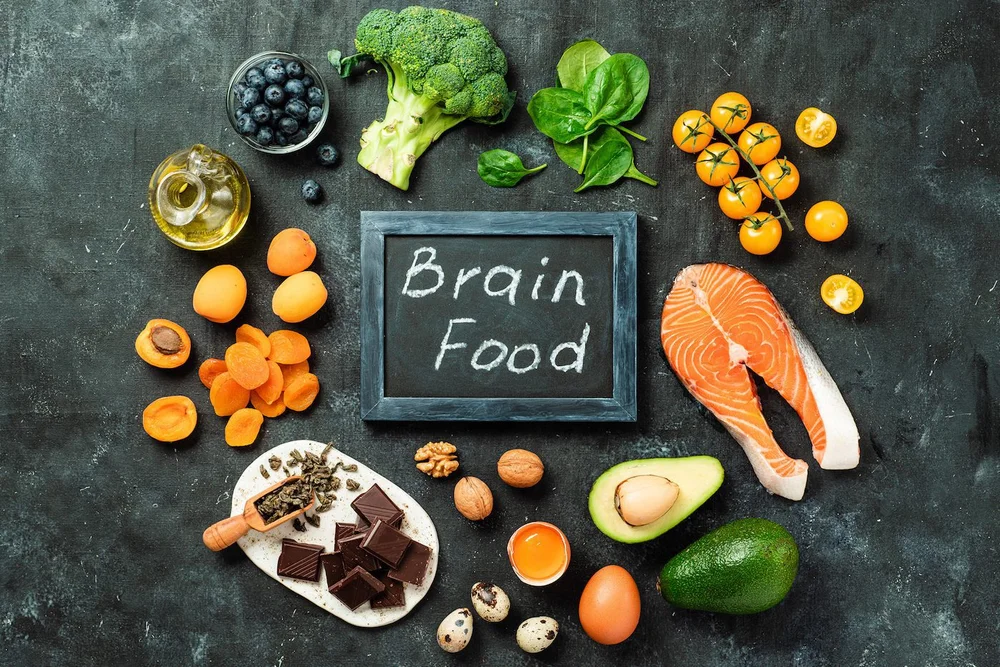
11. Pumpkin Seeds
Pumpkin seeds are a good source of zinc, magnesium, and antioxidants, all of which support brain health. They help with nerve signaling and reduce inflammation, making them a valuable addition to a brain-healthy diet.
How to Incorporate: Sprinkle pumpkin seeds on salads, trail mix, or granola. A handful per day is ideal.
12. Chia Seeds
Chia seeds are rich in alpha-linolenic acid (ALA), a plant-based omega-3 fatty acid that supports brain function. They also provide fiber, which promotes a healthy gut-brain axis.
How to Incorporate: Make chia pudding, add them to smoothies, or sprinkle on yogurt. A serving size is about 1/4 cup.
13. Sea Vegetables
Sea vegetables like nori and wakame are rich in iodine, B12, and other minerals that support thyroid function and brain health. They also contain inositol, which aids in communication between brain cells.
How to Incorporate: Use seaweed in sushi, soups, or salads. A typical serving is 1/3 cup of whole leaf or 1 teaspoon of flakes.
14. Fermented Foods
Fermented foods like yogurt, kefir, sauerkraut, and kimchi support a healthy gut microbiome, which plays a key role in brain health. A balanced gut microbiome can improve mood, cognition, and overall well-being.
How to Incorporate: Include fermented foods in your meals or snacks. Start with small portions to allow your gut to adjust.
15. Olive Oil
Olive oil is a staple of the Mediterranean diet and is rich in monounsaturated fats and antioxidants. It helps reduce inflammation and supports cognitive function.
How to Incorporate: Use olive oil for cooking, dressings, or drizzling over salads. Replace other oils with olive oil for maximum benefit.
Practical Tips for Incorporating Brain Foods
- Plan Ahead: Prepare meals and snacks that include brain-boosting ingredients.
- Stay Hydrated: Drink plenty of water, as dehydration can impair cognitive function.
- Limit Processed Foods: Avoid excessive sugar, trans fats, and processed snacks that can negatively affect brain health.
- Experiment with Recipes: Try new recipes that incorporate brain foods, such as smoothies, salads, and stir-fries.
Conclusion
Improving your memory and cognitive function doesn’t have to be complicated. By incorporating brain-boosting foods into your diet, you can support your brain’s health and enhance your mental performance. From blueberries and fatty fish to dark chocolate and turmeric, these foods offer a range of nutrients that protect your brain from damage, reduce inflammation, and promote optimal function. With a little planning and creativity, you can easily make these foods a part of your daily routine and enjoy the long-term benefits for your mind and body.

Post a Comment for "Top Brain Foods for Memory Improvement: A Comprehensive List"
Post a Comment