The Ultimate Microbiome-Friendly Eating Plan for Better Health
If you're looking to improve your overall health, the key might lie in your gut. Your microbiome—the trillions of microorganisms living in your digestive system—plays a critical role in everything from digestion to mood and immunity. While many people focus on visible goals like weight loss or muscle gain, the real secret to long-term wellness may be nurturing the invisible garden of bacteria inside you.
The microbiome-friendly eating plan is more than just a trend; it's a scientifically supported approach to health that emphasizes the importance of feeding your gut with the right nutrients. By making simple yet impactful dietary changes, you can support a diverse and balanced microbiome, which in turn boosts your energy, mental clarity, and even your emotional well-being.
In this article, we’ll explore what a microbiome-friendly diet entails, why it matters, and how you can start incorporating it into your daily life.

Understanding the Gut-Brain Axis
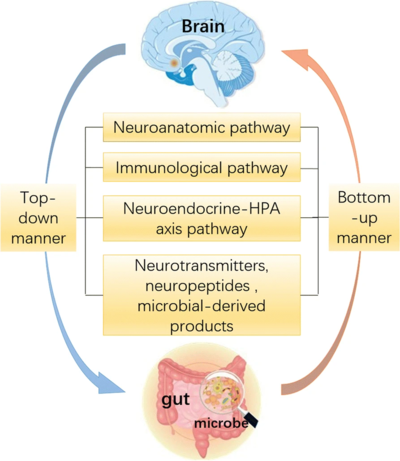
Your gut is often referred to as your "second brain," and for good reason. It’s home to a vast network of neurons and communicates directly with your central nervous system through what’s known as the gut-brain axis. This connection means that the state of your gut can significantly influence your mood, cognitive function, and even your risk of chronic diseases.
According to registered dietitian Maddie Pasquariello, M.S., R.D., “There is an important link between the health of the gut and our brain and hormones (aka the gut-brain axis). These connections play a vital role in metabolism, immunity, and hormonal health.”
This means that when your gut is out of balance, it can lead to issues like anxiety, depression, fatigue, and even autoimmune disorders. A microbiome-friendly diet helps maintain this delicate balance by supporting the growth of beneficial bacteria that promote optimal health.
What Is a Microbiome-Friendly Diet?

A microbiome-friendly diet focuses on nourishing the gut microbiome with foods that promote diversity and balance among the bacteria living in your digestive tract. This includes a wide variety of plant-based foods, fermented products, and fiber-rich options that feed the good bacteria in your gut.
Key components of a microbiome-friendly diet include:
- Fiber-rich foods such as fruits, vegetables, whole grains, legumes, and nuts
- Prebiotics, which are non-digestible fibers that serve as food for probiotics
- Probiotics, found in fermented foods like yogurt, kefir, sauerkraut, and kimchi
- Polyphenols, which are antioxidants found in colorful fruits and vegetables
- Healthy fats like those from avocados, nuts, and fatty fish
By incorporating these elements into your meals, you create an environment where beneficial bacteria can thrive, leading to improved digestion, stronger immunity, and better overall health.
The Science Behind the Microbiome
Research has shown that the composition of your gut microbiome can change rapidly based on your diet. For example, a study published in Nature Communications found that participants who followed a high-fiber, plant-based diet saw significant shifts in their gut microbiota within just 24 hours.
Another study highlighted that individuals who consumed a high-fiber diet had a more diverse microbiome compared to those who followed a Western-style diet high in processed foods and sugar. This diversity is crucial because it allows your gut to adapt to different challenges, such as infections or stress, more effectively.
Moreover, the microbiome plays a role in regulating inflammation, which is linked to numerous chronic conditions, including heart disease, diabetes, and even cancer. By supporting a healthy microbiome, you’re not only improving digestion but also reducing your risk of developing these serious health issues.
Foods That Boost Gut Health

To build a microbiome-friendly diet, focus on including the following gut-boosting foods:
- Fermented foods: These contain live cultures that introduce beneficial bacteria into your gut. Examples include yogurt, kefir, sauerkraut, kimchi, and kombucha.
- Prebiotic-rich foods: These include onions, garlic, bananas, leeks, asparagus, and Jerusalem artichokes. They provide the fuel that beneficial bacteria need to grow.
- Polyphenol-rich foods: Berries, dark chocolate, green tea, and red wine are rich in polyphenols, which help feed good bacteria and reduce inflammation.
- Fiber-packed foods: Whole grains, legumes, and vegetables are excellent sources of fiber, which supports a healthy gut lining and promotes regular digestion.
Incorporating these foods into your meals can have a profound impact on your gut health. For instance, a study published in the Journal of Agricultural Food Chemistry found that participants who consumed almonds daily for six weeks experienced positive changes in their gut microbiota.
Foods to Avoid for a Healthy Microbiome

While certain foods can enhance your microbiome, others can disrupt it. To maintain a healthy gut, avoid or limit the following:
- Processed foods: These often contain additives, artificial sweeteners, and preservatives that can harm beneficial bacteria.
- Sugary foods and drinks: Excess sugar can lead to an overgrowth of harmful bacteria, causing inflammation and imbalances.
- Artificial sweeteners: Some studies suggest they can alter gut bacteria and increase the risk of metabolic disorders.
- Excessive alcohol: Heavy drinking can damage the gut lining and disrupt microbial balance.
- High saturated fat diets: These can reduce bacterial diversity and promote the growth of harmful microbes.
- Red meat: Consuming large amounts of red meat has been linked to an increased risk of chronic diseases and an imbalance in gut bacteria.
By being mindful of what you eat, you can protect your gut and support long-term health.
The Role of Probiotics
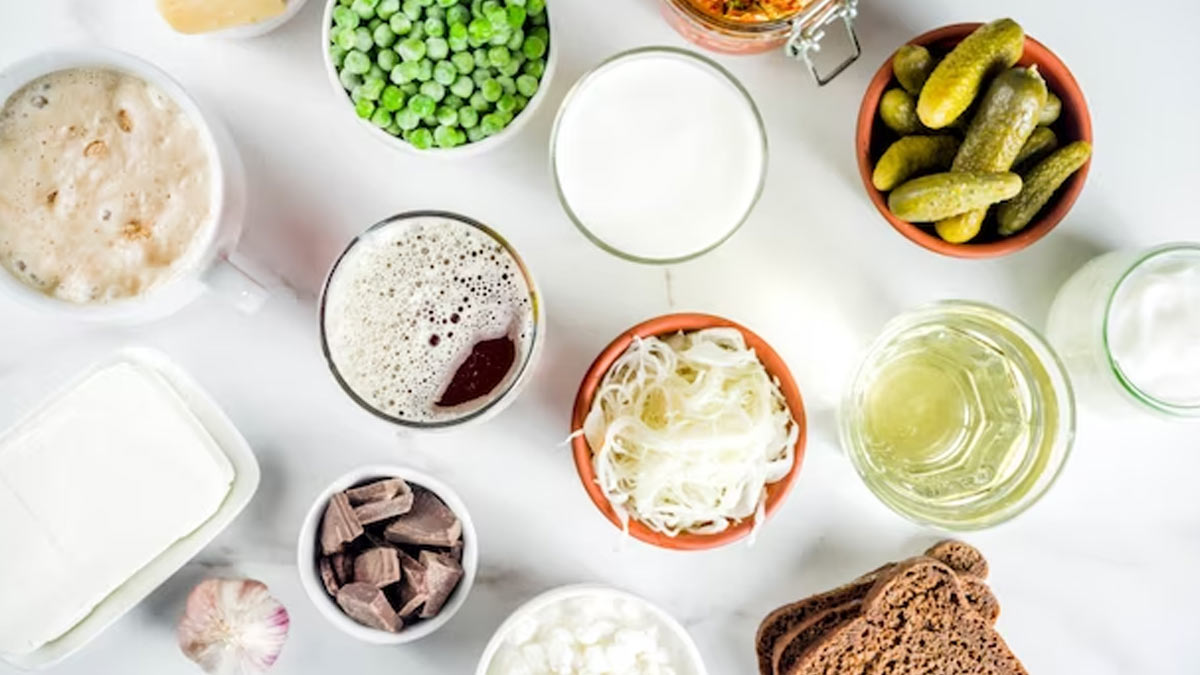
Probiotics are live microorganisms that offer numerous health benefits, particularly for the gut. They help restore the balance of bacteria in your digestive system, improve digestion, and boost immunity.
Some of the best natural sources of probiotics include:
- Yogurt (unflavored, plain varieties with live cultures)
- Kefir
- Sauerkraut
- Kimchi
- Miso
Studies have shown that probiotics can help alleviate symptoms of irritable bowel syndrome (IBS), reduce inflammation, and even improve mental health by influencing the gut-brain axis.
However, it's important to note that not all probiotics are created equal. Different strains of bacteria have different effects, so it's best to choose products that contain specific strains known to benefit your health.
Frequently Asked Questions

How long does it take to see results from a microbiome diet?
Results can vary depending on individual differences, but many people notice improvements in digestion, energy levels, and mood within a few weeks. Studies have shown that changes in gut microbiota can occur as quickly as 24 hours after dietary changes.
Can a microbiome diet help with specific gut-related conditions?
Yes, a microbiome-friendly diet has been shown to help manage conditions like irritable bowel syndrome (IBS) and inflammatory bowel disease (IBD) by promoting a balanced gut microbiome.
Are there any risks or side effects?
While generally safe, some people may experience temporary digestive discomfort when first introducing probiotics or increasing fiber intake. It's always a good idea to consult with a healthcare provider before making major dietary changes.
Conclusion
A microbiome-friendly eating plan is more than just a diet—it’s a lifestyle that supports your overall health by nurturing the complex ecosystem of bacteria in your gut. By focusing on whole, nutrient-dense foods and avoiding processed ingredients, you can create a thriving environment for beneficial microbes that enhance digestion, immunity, and even mental well-being.
Remember, your gut is the foundation of your health, and by taking care of it, you're investing in a healthier, more vibrant you. Start small, make gradual changes, and watch as your body responds with renewed energy and vitality.

Post a Comment for "The Ultimate Microbiome-Friendly Eating Plan for Better Health"
Post a Comment