The Ultimate Guide to a Mitochondrial Health Diet for Better Energy and Longevity
Mitochondria, often referred to as the "powerhouses of the cell," play a crucial role in converting the food we eat into energy. These tiny organelles are essential for cellular function, influencing everything from energy production to metabolic health. As we age, mitochondrial efficiency can decline, leading to fatigue, inflammation, and chronic disease. However, by adopting a mitochondrial health diet, you can support these vital structures and enhance your overall well-being. In this guide, we’ll explore how to optimize your diet for mitochondrial health, including the best foods, supplements, and lifestyle habits.

Understanding Mitochondria and Their Role in Health
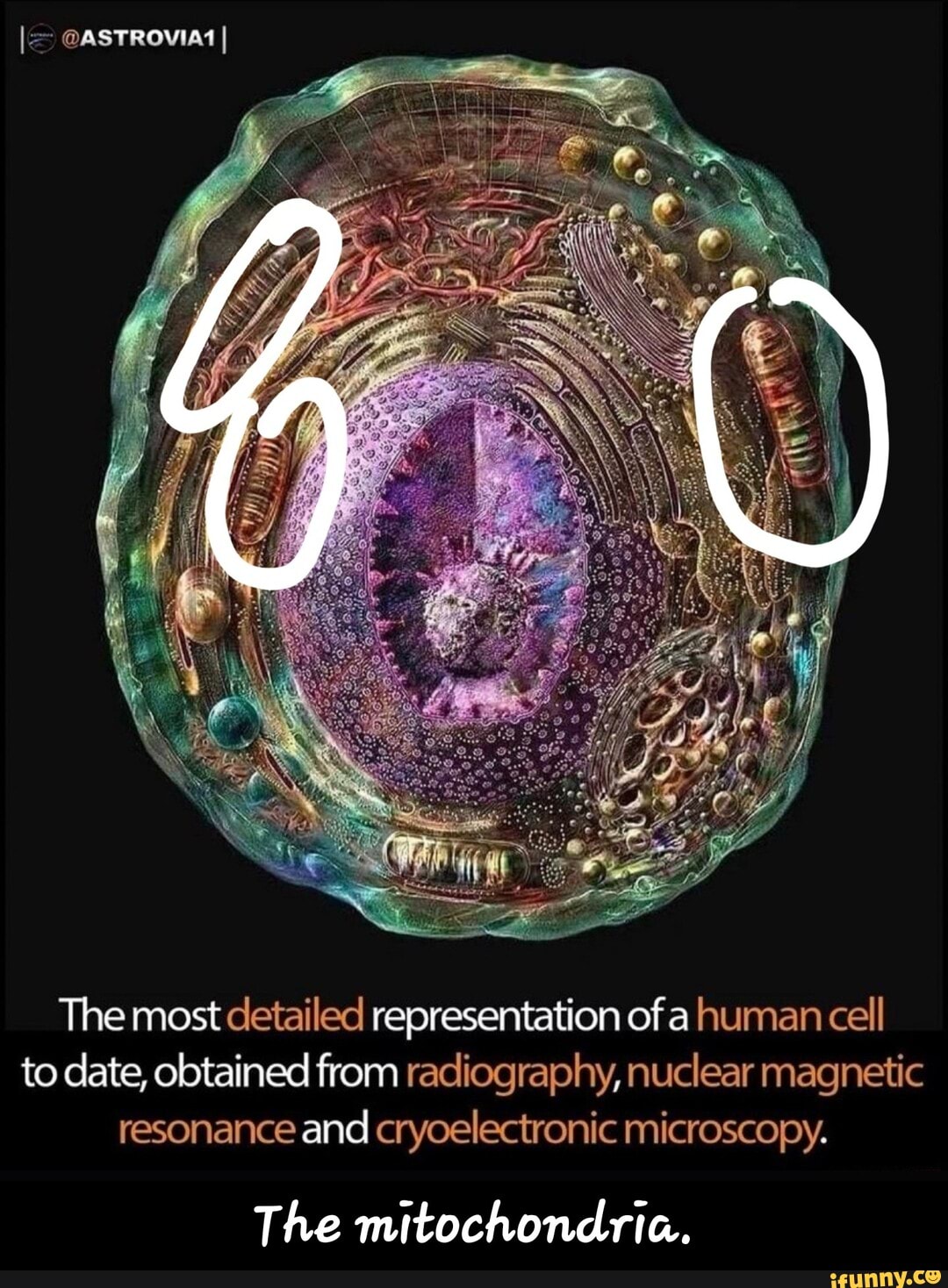
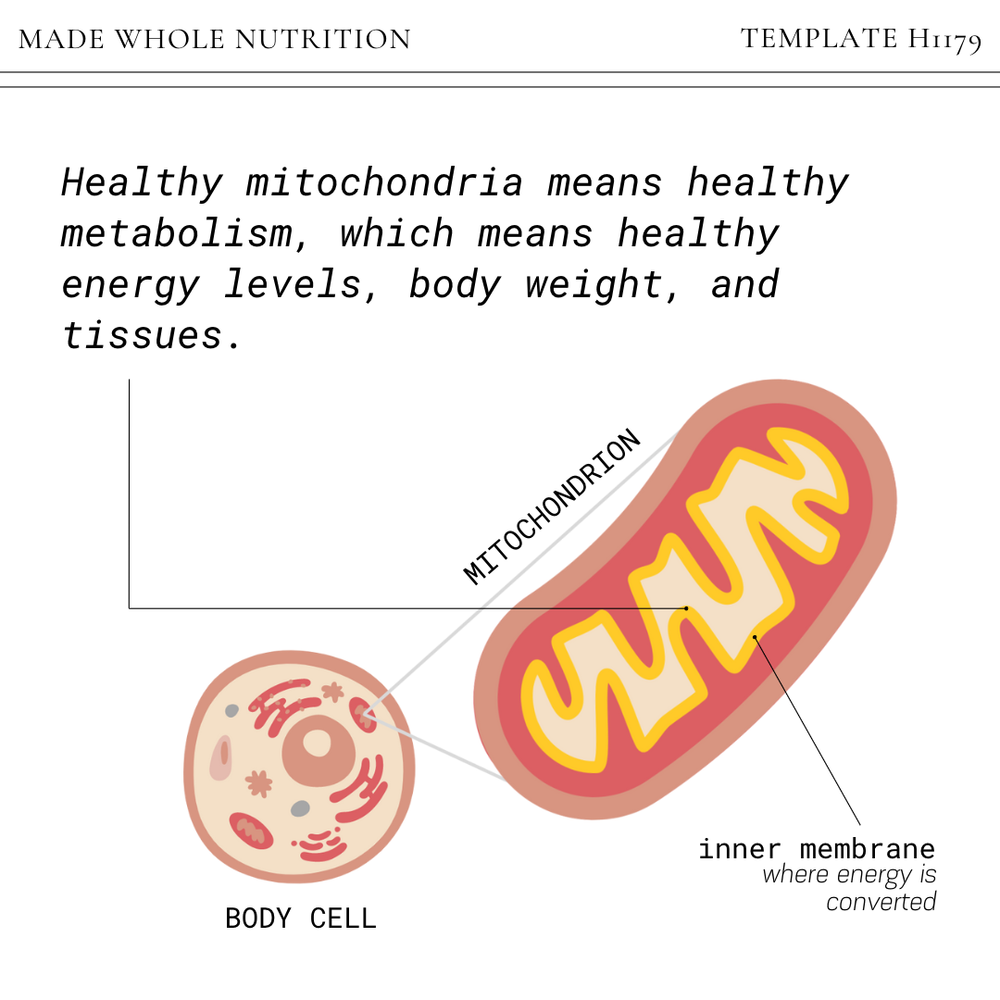
Mitochondria are found in nearly every cell of the body and are responsible for producing adenosine triphosphate (ATP), the primary energy currency of cells. They also regulate apoptosis, calcium balance, and redox signaling. When mitochondria function optimally, they help maintain cellular health, support metabolic processes, and protect against oxidative stress. However, factors like poor diet, environmental toxins, and chronic stress can impair mitochondrial function, leading to energy depletion and long-term health issues.
The Impact of Diet on Mitochondrial Health

Diet plays a significant role in mitochondrial function. Consuming nutrient-dense foods provides the building blocks needed for optimal energy production, while processed foods and excessive sugar can damage mitochondrial membranes and DNA. A mitochondrial health diet focuses on whole, unprocessed foods that support cellular energy and reduce oxidative stress. This includes a variety of antioxidants, healthy fats, and essential nutrients that promote mitochondrial biogenesis and repair.
Key Nutrients for Mitochondrial Function

Several nutrients are particularly important for maintaining healthy mitochondria:
- Antioxidants: Help neutralize free radicals and reduce oxidative stress. Foods rich in antioxidants include berries, leafy greens, and nuts.
- Omega-3 Fatty Acids: Support mitochondrial membrane integrity and reduce inflammation. Found in fatty fish, flaxseeds, and chia seeds.
- Coenzyme Q10 (CoQ10): Essential for ATP production and mitochondrial membrane protection. Found in organ meats, eggs, and oily fish.
- Magnesium: Supports mitochondrial function and energy metabolism. Found in dark leafy greens, nuts, and seeds.
- Vitamin B Complex: Plays a role in energy production and mitochondrial health. Found in whole grains, eggs, and lean meats.
Foods That Promote Mitochondrial Health
Incorporating the right foods into your diet can significantly improve mitochondrial function. Here are some of the best options:
- Leafy Greens: Rich in antioxidants and minerals, such as spinach, kale, and Swiss chard.
- Berries: High in antioxidants and phytonutrients, including blueberries, strawberries, and raspberries.
- Nuts and Seeds: Provide healthy fats, protein, and essential nutrients like magnesium and vitamin E.
- Fatty Fish: Such as salmon, mackerel, and sardines, which are high in omega-3 fatty acids.
- Avocados: Contain healthy fats and antioxidants that support mitochondrial health.
- Dark Chocolate: Contains flavonoids that may improve mitochondrial function.
Foods to Avoid for Optimal Mitochondrial Health

Certain dietary choices can harm mitochondrial function and should be minimized or avoided:
- Processed Foods: Often high in refined sugars, unhealthy fats, and artificial additives that increase oxidative stress.
- Excessive Sugar: Can lead to glycation, which damages mitochondrial membranes and impairs energy production.
- Refined Grains: Lack essential nutrients and can contribute to insulin resistance and inflammation.
- Industrial Oils: Such as soybean and corn oil, which are high in omega-6 fatty acids and can promote inflammation.
- Alcohol and Cigarettes: Both can damage mitochondrial DNA and impair energy production.
Supplements That Support Mitochondrial Health
While a balanced diet is the foundation of mitochondrial health, certain supplements can provide additional support:
- Alpha-Lipoic Acid (ALA): Enhances glucose utilization and regenerates other antioxidants.
- Pyrroloquinoline Quinone (PQQ): Promotes mitochondrial biogenesis and supports the electron transport chain.
- CoQ10: Essential for ATP production and mitochondrial membrane protection.
- N-Acetylcysteine (NAC): Boosts glutathione levels, a key antioxidant for mitochondrial health.
- Magnesium: Supports mitochondrial function and energy metabolism.
Lifestyle Habits for Mitochondrial Wellness

In addition to diet, lifestyle factors play a critical role in mitochondrial health. Incorporating the following habits can enhance mitochondrial function:
- Regular Exercise: Increases mitochondrial biogenesis and improves energy production.
- Adequate Sleep: Supports circadian rhythms that regulate mitochondrial repair.
- Stress Management: Reduces cortisol levels and inflammation, which can impair mitochondrial function.
- Cold Exposure: Stimulates mitochondrial biogenesis and activates brown fat.
- Intermittent Fasting: Enhances mitochondrial turnover and reduces insulin resistance.
Conclusion
Maintaining mitochondrial health is essential for overall well-being, energy, and longevity. By adopting a mitochondrial health diet rich in antioxidants, healthy fats, and essential nutrients, you can support these vital organelles and enhance your cellular function. In addition, incorporating lifestyle habits such as regular exercise, adequate sleep, and stress management can further promote mitochondrial wellness. Remember, small, consistent changes can lead to significant improvements in your health and vitality. Start today by making mindful dietary and lifestyle choices that support your mitochondria and, in turn, your overall quality of life.

Post a Comment for "The Ultimate Guide to a Mitochondrial Health Diet for Better Energy and Longevity"
Post a Comment