The Longevity Diet for Women: How to Eat for Health and Long Life
When it comes to aging well, the conversation around diet has never been more relevant. For women, in particular, maintaining health and vitality as they grow older is a top priority. One approach that has gained attention in recent years is the longevity diet, a nutritional plan designed to support long-term health and potentially extend lifespan. Developed by Dr. Valter Longo, a leading researcher in aging and longevity, this diet emphasizes whole foods, plant-based ingredients, and strategic fasting. But how does it specifically apply to women? And what are the benefits of following such a diet?
In this article, we’ll explore the science behind the longevity diet, its unique benefits for women, and practical tips for incorporating it into your lifestyle.
What Is the Longevity Diet?
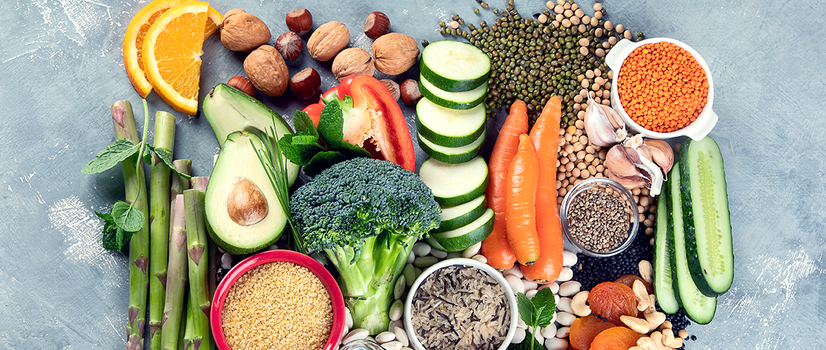
The longevity diet, as outlined by Dr. Valter Longo, is not just about eating healthy—it’s about eating smartly. It combines elements of a plant-based diet with occasional seafood, while minimizing processed foods, red meat, and saturated fats. The goal is to promote cellular health, reduce inflammation, and support overall well-being.
Key components of the longevity diet include:
- Whole grains (like quinoa, brown rice, and whole wheat)
- Fruits and vegetables (especially those high in antioxidants)
- Legumes and nuts (as primary sources of protein and healthy fats)
- Low-mercury seafood (such as salmon, sardines, and shrimp)
- Olive oil (a rich source of monounsaturated fats)
On the other hand, the diet advises limiting or avoiding:
- Red meat and processed meats
- Dairy products (in large quantities)
- Sugary and ultra-processed foods
- Saturated fats
Dr. Longo also recommends incorporating fasting periods, particularly a fasting-mimicking diet (FMD), which involves a five-day cycle of reduced calorie intake followed by normal eating. This approach is believed to trigger cellular repair and improve metabolic health.
Why the Longevity Diet Matters for Women

Women face unique health challenges as they age, including hormonal shifts, bone density loss, and increased risk of chronic diseases. The longevity diet addresses these concerns by emphasizing nutrient-dense foods that support overall health and resilience.
1. Supports Gut Health
A diet rich in fiber from plants, legumes, and whole grains promotes a healthy gut microbiome. A strong gut is essential for digestion, immunity, and even mental health. As Dr. Maddie Pasquariello, a registered dietitian, explains, “Eating more fiber and fewer saturated fats can improve gut health, which in turn supports overall well-being.”
2. Improves Heart Health
Studies have shown that diets high in fruits, vegetables, nuts, and fish are associated with lower risks of cardiovascular disease. By reducing saturated fat and increasing omega-3 intake, the longevity diet helps protect heart health—a critical concern for women, especially after menopause.
3. Helps Manage Diabetes Risk
The diet’s focus on low-sugar, high-fiber foods can help regulate blood sugar levels. Research suggests that limiting red meat and focusing on plant-based proteins may also reduce the risk of type 2 diabetes. For women, who are at higher risk for certain metabolic conditions, this is a significant benefit.
4. Promotes Weight Management
By emphasizing whole foods and reducing processed sugars, the longevity diet naturally supports weight management. When combined with periodic fasting, it can also help burn fat and improve insulin sensitivity, which is especially beneficial for women dealing with weight gain or metabolic issues.
Practical Tips for Women Starting the Longevity Diet
Adopting the longevity diet doesn’t mean you have to completely overhaul your eating habits overnight. Here are some practical steps to get started:
1. Start Small
Begin by incorporating more plant-based meals into your week. For example, try swapping one meat-based meal for a dish featuring lentils, chickpeas, or tofu. Gradually increase the number of plant-based meals as you become more comfortable.
2. Focus on Whole Foods
Prioritize unprocessed, nutrient-rich foods. Instead of pre-packaged snacks, choose fresh fruits, raw vegetables, or a handful of nuts. These choices provide sustained energy and support long-term health.
3. Limit Red Meat
If you’re used to eating red meat regularly, try reducing your intake to once a week. Opt for leaner protein sources like fish, poultry, or plant-based proteins. For example, replace a beef burger with a grilled salmon salad or a veggie stir-fry.
4. Incorporate Fasting Periods
If you're interested in the fasting-mimicking diet, start with shorter fasts, such as a 12-hour eating window (e.g., 8 a.m. to 8 p.m.). As you adjust, you can explore longer fasting protocols under the guidance of a healthcare professional.
5. Stay Active
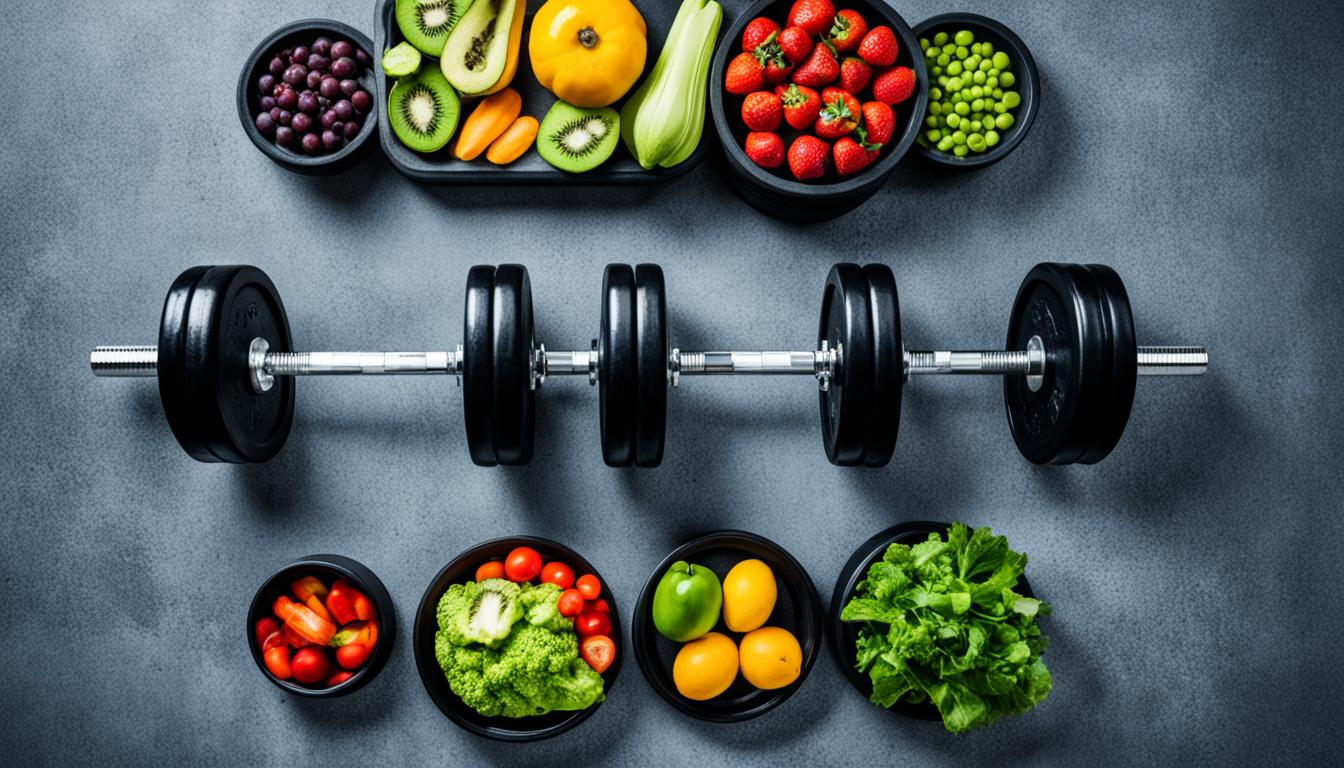
The longevity diet isn’t just about what you eat—it’s also about how you live. Regular physical activity, especially strength training, helps maintain muscle mass and bone density, both of which are crucial for women as they age.
Addressing Common Concerns
While the longevity diet offers many benefits, it’s important to consider individual needs and potential challenges.
1. Protein Intake
Some women may worry about getting enough protein on a plant-based diet. However, there are plenty of plant-based protein sources, including beans, lentils, tofu, and tempeh. If you choose to include fish, it can also be a good source of protein and omega-3 fatty acids.
2. Nutritional Balance
Ensure you’re getting all essential nutrients, including calcium, iron, and vitamin B12. If you’re following a strict plant-based version of the diet, consider consulting a nutritionist to ensure you’re meeting your dietary needs.
3. Medical Conditions
If you have a medical condition, such as diabetes or a history of disordered eating, it’s wise to consult with a healthcare provider before making significant changes to your diet. They can help you tailor the longevity diet to your specific needs.
Conclusion
The longevity diet offers a compelling approach to eating that supports long-term health and vitality—especially for women. By focusing on whole foods, minimizing processed ingredients, and incorporating strategic fasting, this diet can help improve gut health, heart function, and metabolic balance. While it’s not a magic bullet for eternal youth, it’s a powerful tool for aging well and maintaining quality of life.
Remember, the key to success is consistency and personalization. Start small, make gradual changes, and listen to your body. With time, the longevity diet can become a sustainable part of your lifestyle, helping you live healthier, longer, and more vibrantly. Always consult with a healthcare professional before making significant changes to your diet, especially if you have existing health conditions.

Post a Comment for "The Longevity Diet for Women: How to Eat for Health and Long Life"
Post a Comment