The Longevity Diet and Supplements: What You Need to Know for a Healthier, Longer Life
When it comes to living a longer, healthier life, the focus has traditionally been on lifespan—how long we live. However, the concept of healthspan is gaining more attention. Healthspan refers to the number of years you live in good health, free from chronic illness and disability. This shift in perspective is critical because living longer doesn’t always mean living better. For many, extended life can come with prolonged suffering, higher healthcare costs, and diminished quality of life.
That’s where the longevity diet and supplements come into play. These strategies are not just about adding years to your life—they’re about adding life to your years. Whether you're looking to improve your overall well-being or extend your healthspan, understanding how diet and targeted supplementation can support longevity is essential.
What Is the Longevity Diet?

The longevity diet was popularized by Dr. Valter Longo, director of the USC Longevity Institute. This diet emphasizes whole, plant-based foods while limiting processed items, red meat, and saturated fats. It also incorporates periodic fasting as a way to promote cellular repair and metabolic health.
Key components of the longevity diet include:
- Whole grains like quinoa, brown rice, and whole wheat bread
- Fruits and vegetables, especially those rich in antioxidants
- Legumes such as chickpeas, black beans, and lentils
- Nuts and seeds in moderation (about one ounce per day)
- Low-mercury seafood like salmon, sardines, and trout
- Olive oil as a primary source of healthy fat
- Dark chocolate (80–85% cocoa) in small amounts
The diet also encourages intermittent fasting or a fasting-mimicking diet (FMD), which involves reducing calorie intake for a short period to trigger cellular repair processes.
How the Longevity Diet Works
The longevity diet isn't just about what you eat—it's also about when you eat. Many experts recommend eating within a 12-hour window each day, such as from 8 a.m. to 8 p.m. This aligns with the body’s natural circadian rhythms and may help regulate metabolism.
Additionally, the diet suggests adjusting meal frequency based on individual needs. For example, those aiming to lose weight might benefit from two meals a day plus low-sugar snacks, while others may find three meals a day more sustainable.
Benefits of the Longevity Diet

1. Improves Gut Health
A diet rich in fiber from fruits, vegetables, and whole grains supports a healthy gut microbiome. A strong gut microbiome is linked to better digestion, immune function, and even mental health.
2. Supports Heart Health
By emphasizing plant-based proteins, lean fish, and healthy fats, the longevity diet can reduce the risk of cardiovascular disease. Studies have shown that diets high in fruits, vegetables, nuts, and legumes are associated with lower rates of heart disease and stroke.
3. May Reduce Biological Age
Some research suggests that following the longevity diet, especially when combined with periodic fasting, can reduce biological age. Biological age is a measure of how well your cells and tissues are functioning, rather than just your chronological age. One clinical trial found that participants experienced a reduction in biological age by up to two and a half years.
4. Helps Manage Diabetes
The longevity diet is naturally low in sugar and processed foods, which can be beneficial for managing blood sugar levels. Some studies also show that intermittent fasting can improve insulin sensitivity, making it a useful tool for people with type 2 diabetes.
5. Promotes Weight Loss
By focusing on nutrient-dense foods and reducing calorie intake through fasting, the longevity diet can support weight loss. This is particularly true when combined with regular physical activity.
The Role of Supplements in Longevity
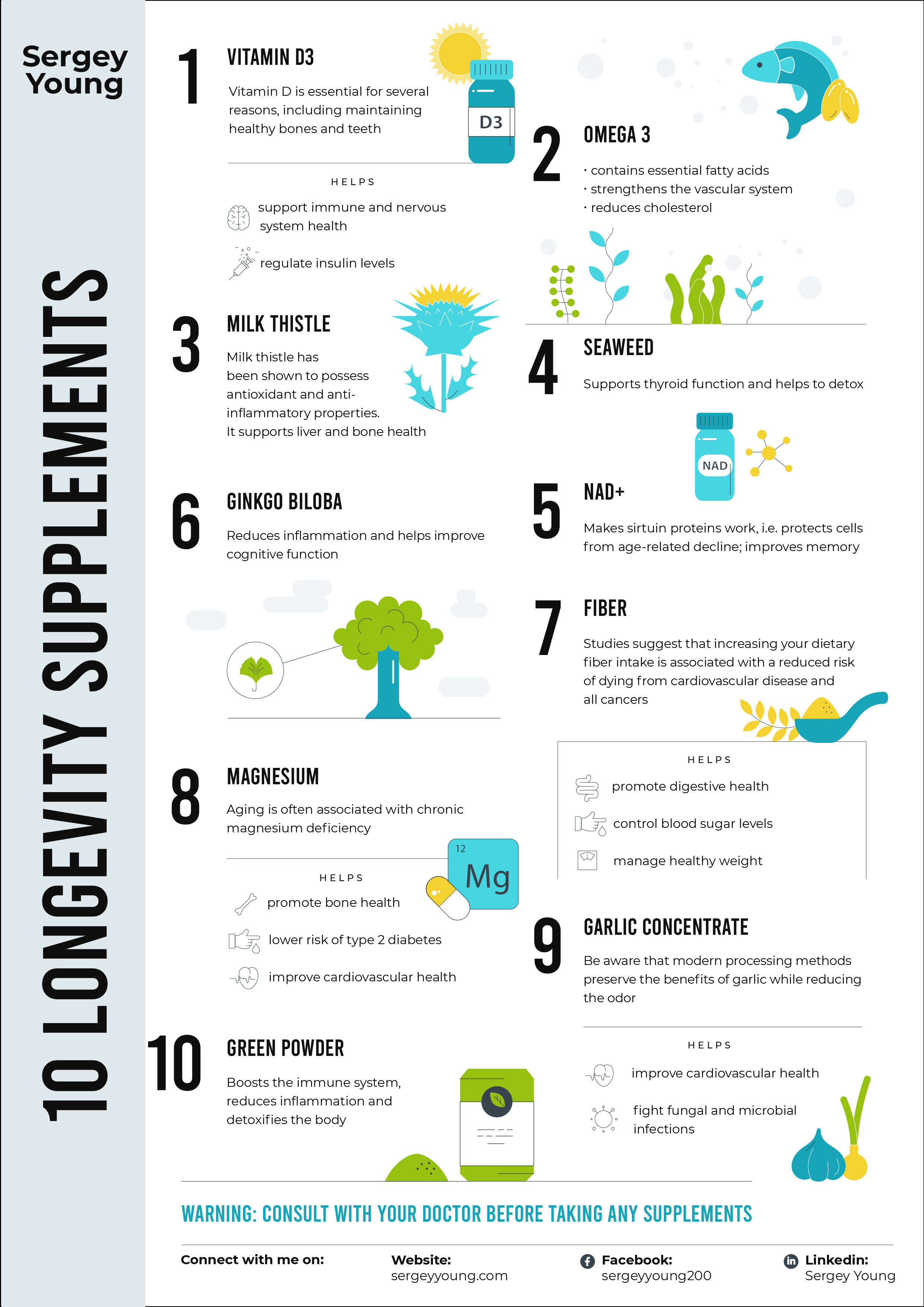
While the longevity diet focuses on whole foods, supplements can play a supportive role in filling nutritional gaps. However, it's important to understand that supplements are not a replacement for a balanced diet—they should be used strategically.
Key Supplements for Longevity
- Magnesium: Supports bone health, regulates blood pressure, and aids in muscle function.
- Omega-3 Fatty Acids: Found in fatty fish and flaxseeds, these help reduce inflammation and support brain and heart health.
- Vitamin D: Essential for immune function and bone health, especially for those with limited sun exposure.
- Probiotics: Support gut health and digestion.
- Antioxidants: Such as vitamin C, E, and resveratrol, which combat oxidative stress and slow aging.
It’s also worth noting that some supplements, like fisetin, have shown promise in targeting senescent cells—often referred to as "zombie" cells that contribute to aging.
When to Consider Supplements
Supplements are most effective when used to address specific deficiencies. For example, someone with a diet low in leafy greens may benefit from a vitamin K2 supplement. Others may need iron if they have anemia, or B12 if they follow a strict plant-based diet.
However, it's crucial to consult a healthcare professional before starting any new supplement regimen. Over-supplementation can lead to adverse effects, and some supplements may interact with medications.
Practical Tips for Starting the Longevity Diet
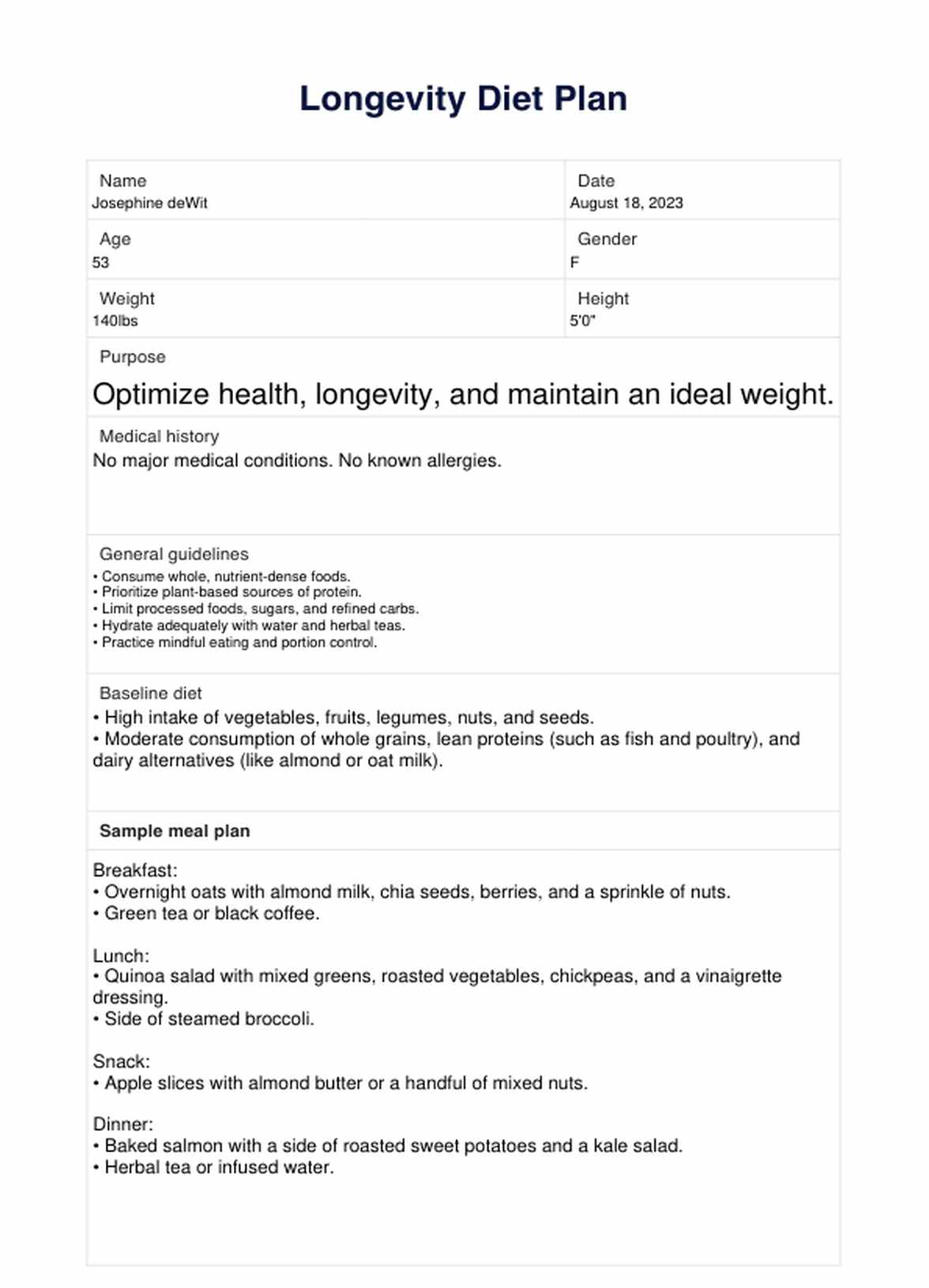
If you're interested in adopting the longevity diet, here are some practical steps to get started:
- Start gradually: Focus on incorporating more whole foods into your meals. Swap out processed snacks for fruits or nuts.
- Experiment with fasting: Try a 12-hour eating window or a weekly fast. Start with shorter periods and build up as needed.
- Stay hydrated: Water is essential for overall health and helps support digestion and metabolism.
- Plan meals ahead: Cooking at home allows you to control ingredients and avoid processed foods.
- Listen to your body: Pay attention to hunger and fullness cues. Avoid restrictive eating patterns that may lead to disordered eating.
Adapting the Diet for Different Lifestyles
The longevity diet is flexible and can be adapted to fit various lifestyles. For example:
- Vegetarians and vegans can focus on legumes, tofu, and fortified plant-based milks.
- Busy professionals can prepare meals in advance or choose quick, healthy options like salads or grain bowls.
- Seniors may need to adjust their protein intake to maintain muscle mass and prevent frailty.
The Future of Longevity: Beyond Diet and Supplements
While the longevity diet and supplements are powerful tools, they are just part of a broader picture. Other factors, such as physical activity, sleep, and mental well-being, also play a significant role in extending healthspan.
For instance, regular exercise—especially strength training—helps maintain muscle mass and bone density. Quality sleep supports cellular repair and cognitive function. And stress management through mindfulness or meditation can reduce inflammation and improve overall health.
Moreover, ongoing research into gene therapies, stem cell treatments, and other advanced interventions continues to push the boundaries of what’s possible in longevity science. However, these high-tech solutions remain expensive and inaccessible to many.
In contrast, investing in foundational nutrition—like the longevity diet—offers a more equitable and sustainable path to better health. As noted by experts, early childhood nutrition sets the stage for lifelong health outcomes. Ensuring access to nutritious food for all is not just a health issue—it’s a social and economic imperative.
Conclusion
The longevity diet and supplements offer a compelling approach to improving both lifespan and healthspan. By focusing on whole, nutrient-dense foods and using supplements strategically, individuals can support their bodies in maintaining vitality and resilience over time.
However, it’s important to remember that no single diet or supplement will guarantee eternal youth. The key lies in consistency, balance, and personalization. Whether you're aiming to live longer or simply feel better, the principles of the longevity diet provide a solid foundation for a healthier, more fulfilling life.
As research continues to evolve, the future of longevity will likely involve a combination of dietary strategies, lifestyle changes, and scientific advancements. But for now, the message is clear: what we eat today shapes our health tomorrow.

Post a Comment for "The Longevity Diet and Supplements: What You Need to Know for a Healthier, Longer Life"
Post a Comment