The Latest in Longevity Science for Women: Insights and Breakthroughs
In the ever-evolving field of longevity science, one truth is becoming increasingly clear: women are not just living longer than men—they’re also facing unique challenges that demand tailored solutions. While men outlive women by about five years on average, women spend more time in poor health due to chronic conditions that could be mitigated with early intervention and precision medicine. This shift in focus from mere lifespan to healthspan—the number of years spent in optimal health—is reshaping how we think about aging, especially for women.
This article explores the latest breakthroughs in longevity science for women, highlighting the importance of hormonal balance, cellular health, and personalized care. Whether you're in your 30s, 40s, or 50s, understanding these developments can empower you to make informed decisions about your long-term well-being.

The Foundations of Female Longevity
At the heart of female longevity lies a complex interplay of biological systems, with the ovaries playing a central role. These small organs are not just responsible for reproduction—they act as key regulators of hormonal balance, metabolic stability, and even cognitive function. Research now shows that ovarian aging influences estrogen and progesterone rhythms, which in turn affect multiple biological networks. These shifts often precede visible symptoms by years, making early detection crucial.
Estrogen, in particular, plays a protective role in mitochondrial efficiency, influencing metabolism, cognitive function, and immune resilience. As women age, declining estrogen levels can lead to increased inflammation, reduced metabolic flexibility, and heightened vulnerability to chronic diseases. Emerging strategies such as mitophagy activation, NAD+ replenishment, and caloric restriction mimetics are being explored to slow cellular aging and support overall health.
Hormonal Influence on Lifespan
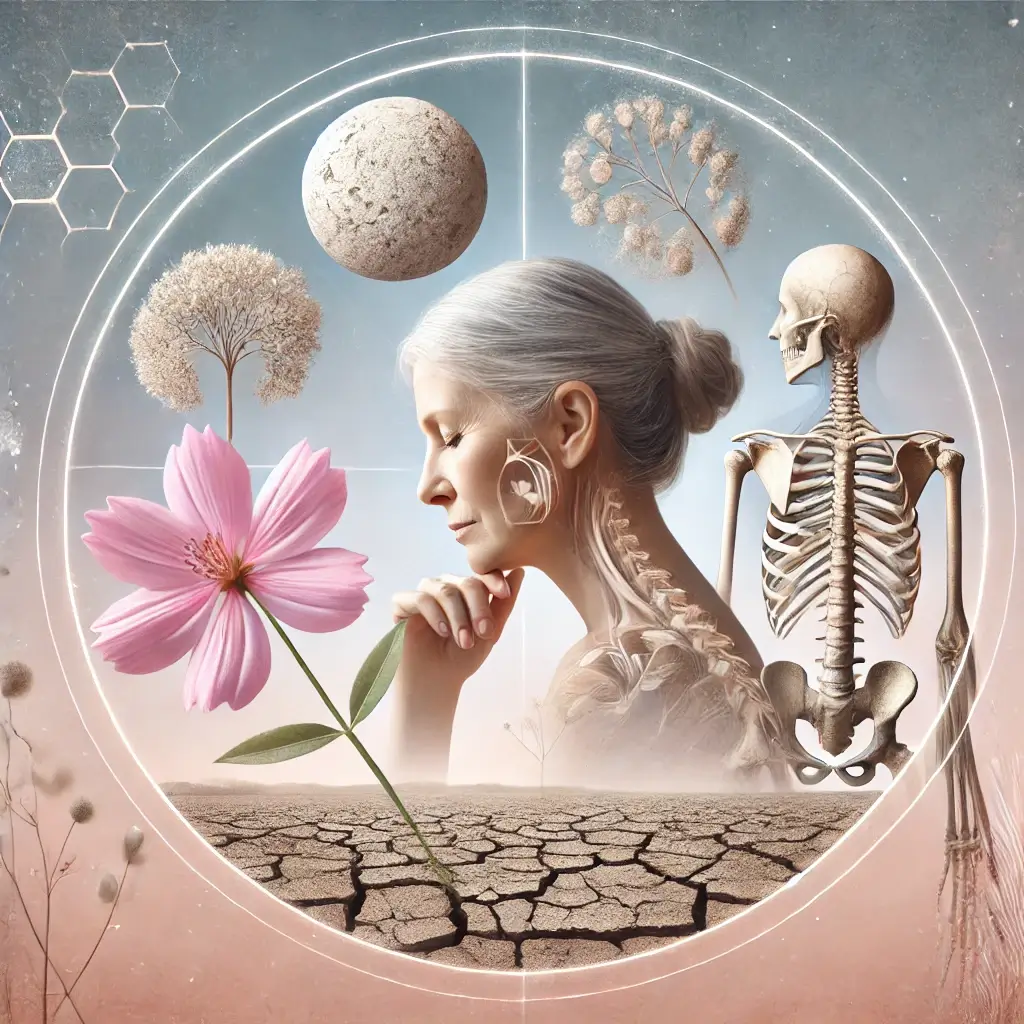
The menopausal transition marks a significant turning point in a woman’s health journey. During this time, the body undergoes dramatic hormonal changes that can accelerate biological aging. However, research suggests that hormonal modulation may offer a way to decelerate this process. From hormone replacement therapy (HRT) to bioidentical hormone support, modern approaches are helping women maintain vitality and resilience during this critical phase.
For example, studies show that estrogen has a protective effect on the brain, reducing the risk of neurodegenerative diseases like Alzheimer’s. Progesterone, on the other hand, supports sleep quality and mood regulation. By addressing these hormonal shifts proactively, women can better manage symptoms and reduce long-term health risks.
The Role of Inflammation and Senolytics
Chronic inflammation is a silent but powerful driver of aging and disease. For women, this issue is compounded by hormonal fluctuations and the natural decline in antioxidant defenses. Research is now focusing on anti-inflammatory protocols, including nutritional interventions and senolytic compounds like fisetin and quercetin, which target senescent cells—cells that have stopped dividing and contribute to tissue dysfunction.
These therapies are part of a broader movement toward precision medicine, where treatments are tailored to an individual’s unique biology. For women, this means identifying and addressing inflammation at its root, rather than simply managing symptoms.
Tracking Key Biomarkers for Longevity

Understanding a woman’s healthspan requires more than just annual checkups—it demands a deep dive into biomarkers that reflect underlying physiological processes. Some of the most important markers to track include:
- Hormonal signaling markers: Estrogen, progesterone, and cortisol levels provide insight into endocrine balance.
- Metabolic stability indicators: Glucose, insulin, and lipid profiles help assess metabolic health.
- Inflammatory response signals: C-reactive protein (CRP) and interleukin-6 (IL-6) are key indicators of systemic inflammation.
- Bone and structural health markers: Bone density and vitamin D levels are essential for preventing osteoporosis.
- Stress physiology patterns: Cortisol variability and heart rate variability (HRV) reflect nervous system resilience.
By monitoring these biomarkers over time, women can gain a clearer picture of their health trajectory and take proactive steps to optimize their longevity.
Data-Driven Longevity Protocols for Different Life Stages
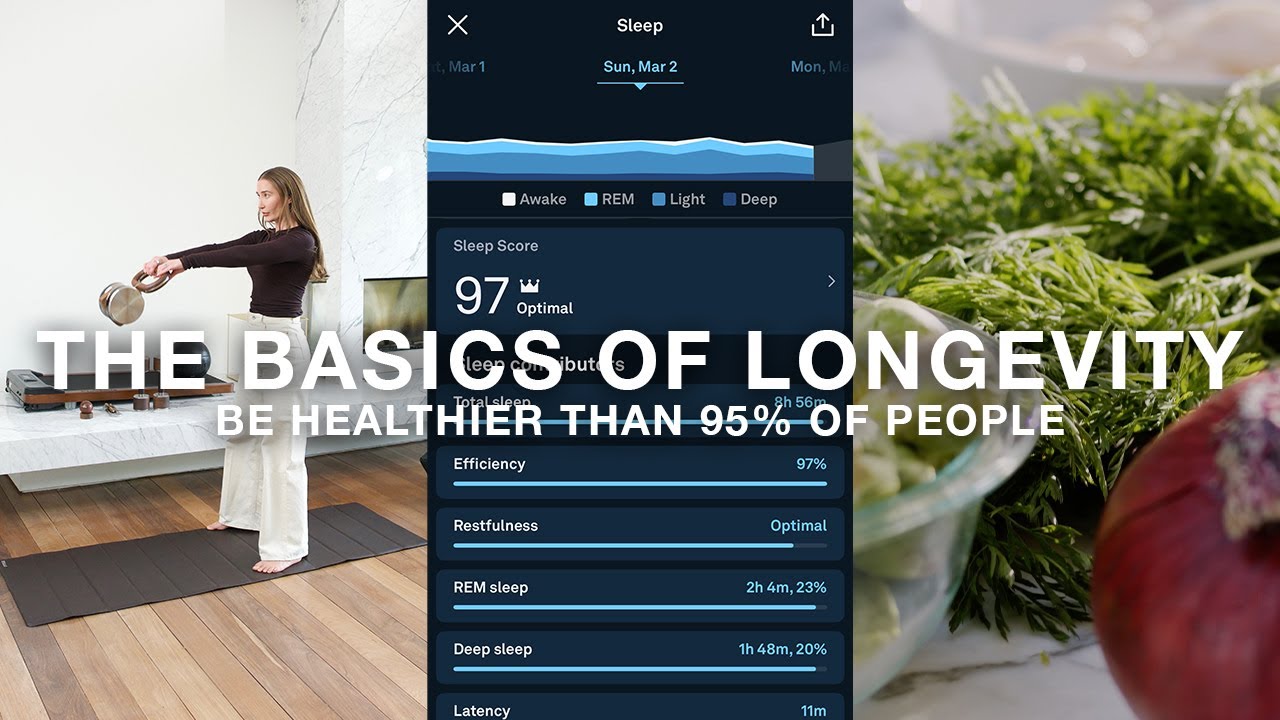
Longevity isn’t a one-size-fits-all approach. As women age, their health needs evolve, and so should their strategies. Here’s how to tailor your approach based on your life stage:
In Your 30s
This is a time of relative stability, but it’s also when subtle shifts begin. Focus on: - Maintaining rhythmic sleep patterns - Supporting metabolic flexibility - Monitoring stress and recovery
In Your 40s
Hormonal fluctuations become more pronounced. Prioritize: - Consistency over intensity - Stress modulation - Structural health awareness
In Your 50s
Endocrine transitions become more marked. Emphasize: - Stability and recovery capacity - Sustainable lifestyle choices - Preventive care and early intervention
Across all decades, small, repeatable behaviors—like regular strength training, balanced nutrition, and mindful stress management—often yield the most consistent long-term results.
Closing the Gender Gap in Longevity Research

Historically, longevity science has been dominated by male-centric datasets, leading to gaps in understanding women’s unique health needs. However, this is changing. Researchers are now emphasizing inclusive data collection, recognizing that sex-specific differences in aging trajectories and metabolic responses must be accounted for.
Organizations like LifeX Research are leading the charge, using longitudinal studies to uncover patterns that were previously overlooked. Their work highlights the importance of tracking ovarian function, hormonal fluctuations, and metabolic shifts across a woman’s lifespan.
Redefining Longevity for Women

The conversation around longevity is shifting from a focus on extending life to enhancing healthspan. For women, this means prioritizing vitality, resilience, and quality of life over sheer longevity. Experts like Robin Berzin, MD, and Gabrielle Lyon, DO, emphasize that the goal isn’t to live to 120—it’s to feel good, stay strong, and enjoy life to the fullest.
This redefinition includes addressing menopause as a critical health milestone, not just a biological event. Hormone therapy, muscle-building exercises, and bone health strategies are now seen as essential components of a long, healthy life.
Final Thoughts
Longevity science for women is no longer a niche topic—it’s a vital area of research that holds the promise of healthier, more vibrant lives. By understanding the unique biological factors that influence women’s aging, embracing personalized care, and staying informed about the latest advancements, women can take control of their healthspan.
As research continues to evolve, one thing remains clear: aging doesn’t have to mean decline. With the right knowledge, tools, and support, women can age gracefully, with strength, clarity, and vitality. The future of longevity is not just about living longer—it’s about living better.

Post a Comment for "The Latest in Longevity Science for Women: Insights and Breakthroughs"
Post a Comment