How to Improve Mitochondrial Health for Longevity and Better Wellness

Mitochondria are often referred to as the "powerhouses of the cell," and for good reason. These tiny structures within our cells play a critical role in converting the food we eat and the oxygen we breathe into energy—specifically, adenosine triphosphate (ATP), which fuels every function in our bodies. From maintaining heartbeats to supporting brain activity, mitochondria are essential for our overall well-being. As we age, mitochondrial function can decline, leading to fatigue, metabolic issues, and even chronic diseases. Understanding how to support mitochondrial health is key to enhancing longevity and improving daily wellness.
This article will explore the science behind mitochondrial function, the foods that support it, and lifestyle choices that can help you maintain healthy mitochondria throughout your life.
What Are Mitochondria?
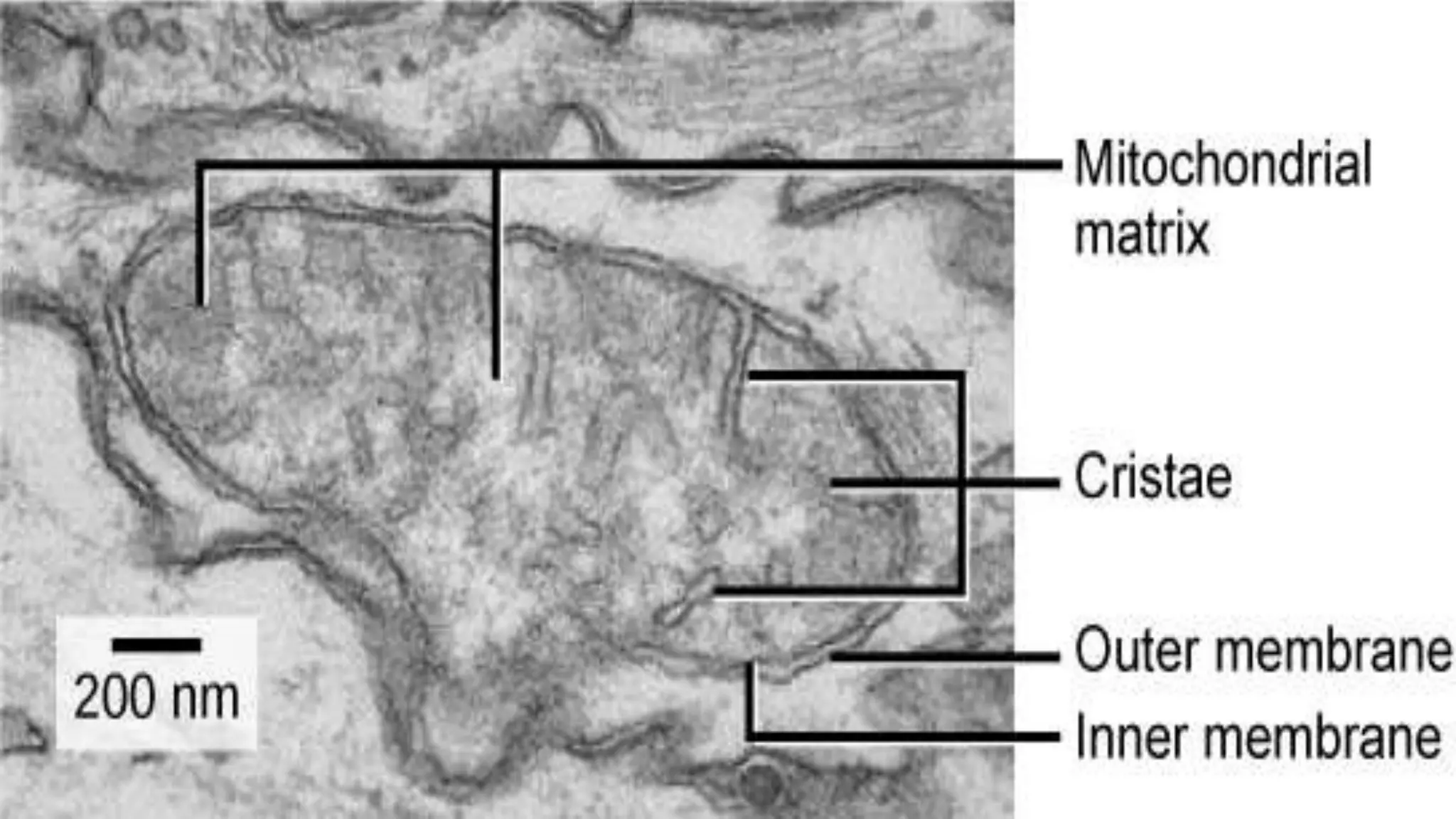
Mitochondria are organelles found in nearly every cell of the human body. They are responsible for producing approximately 95% of the energy our cells need to function. This energy is generated through a process called cellular respiration, where mitochondria break down nutrients from food and oxygen to create ATP. Without properly functioning mitochondria, our cells would be unable to perform their essential tasks, leading to fatigue, poor metabolism, and other health issues.
Mitochondria also play a role in regulating cell death, managing calcium levels, and producing reactive oxygen species (ROS), which can be harmful if not controlled. Maintaining healthy mitochondria is crucial for overall cellular health and longevity.
The Role of Nutrition in Mitochondrial Health

Nutrition plays a central role in mitochondrial function. The right balance of macronutrients and micronutrients provides the building blocks needed for efficient energy production. Here are some key nutrients that support mitochondrial health:
- Phytonutrients: Found in colorful fruits and vegetables, phytonutrients help protect mitochondria from oxidative stress. Examples include curcumin in turmeric, lycopene in tomatoes, and quercetin in onions.
- Protein: Amino acids from protein are essential for producing glutathione, a powerful antioxidant that protects mitochondria. High-quality protein sources include eggs, fish, poultry, and legumes.
- Omega-3 Fatty Acids: These fats support the integrity of mitochondrial membranes, reducing damage from free radicals. Sources include wild-caught fish, flaxseeds, and walnuts.
- Healthy Fats: Fats like those found in avocados, olive oil, and coconut provide anti-inflammatory benefits and support efficient energy production.
- CoQ10: This compound is vital for mitochondrial energy production and acts as an antioxidant. While the body produces CoQ10, its levels decline with age, making dietary sources or supplements important.
Foods That Support Mitochondrial Function

Incorporating the following foods into your diet can significantly enhance mitochondrial performance:
- Leafy Greens: Spinach, kale, and Swiss chard are rich in antioxidants and minerals that support mitochondrial function.
- Sulfur-Rich Vegetables: Cauliflower, cabbage, and garlic help the body produce glutathione, a key antioxidant.
- Wild-Caught Fish: Salmon, mackerel, and sardines are high in omega-3s, which support mitochondrial membrane health.
- Bone Broth: Rich in amino acids and minerals, bone broth helps support gut health, which in turn benefits mitochondrial function.
- Organ Meats: Liver and other organ meats are excellent sources of CoQ10 and B vitamins, both of which are essential for energy production.
Foods to Avoid for Optimal Mitochondrial Health

While certain foods support mitochondrial function, others can impair it. It's important to avoid or limit the following:
- Excess Sugar and Refined Carbohydrates: These can lead to increased oxidative stress and inflammation, damaging mitochondria over time.
- Ultra-Processed Foods: These often contain unhealthy fats, artificial additives, and preservatives that can disrupt mitochondrial function.
- Pesticides and Environmental Toxins: Exposure to these chemicals can interfere with mitochondrial processes and reduce energy production.
Lifestyle Factors That Influence Mitochondrial Health
Diet is just one piece of the puzzle. Other lifestyle factors also play a significant role in mitochondrial health:
- Intermittent Fasting: This practice has been shown to improve mitochondrial function by activating cellular repair mechanisms and increasing levels of NAD+.
- Regular Exercise: Physical activity enhances mitochondrial biogenesis, the creation of new mitochondria, and improves overall energy efficiency.
- Adequate Sleep: Poor sleep can negatively impact mitochondrial function, so ensuring quality rest is essential.
- Stress Management: Chronic stress increases oxidative stress, which can damage mitochondria. Techniques like meditation and deep breathing can help reduce this burden.
The Science Behind Mitochondrial Longevity

Emerging research highlights the connection between mitochondrial health and aging. As we grow older, mitochondrial function declines, contributing to fatigue, reduced metabolic efficiency, and an increased risk of chronic diseases. However, studies show that maintaining healthy mitochondria can slow this process.
One key player in mitochondrial health is NAD+ (nicotinamide adenine dinucleotide), a coenzyme involved in numerous cellular processes. NAD+ levels decline with age, but supplements like NMN (nicotinamide mononucleotide) have been shown to boost NAD+ levels, supporting mitochondrial function and potentially extending lifespan.
Another important factor is SIRT3, a sirtuin protein that regulates mitochondrial activity. Activating SIRT3 through diet, exercise, or supplements can enhance mitochondrial protection and promote energy production.
Practical Tips for Improving Mitochondrial Health

Here are some actionable steps you can take to support your mitochondria:
- Eat a variety of nutrient-dense foods, including leafy greens, omega-3-rich fish, and high-quality proteins.
- Limit processed foods and sugary snacks that can harm mitochondrial function.
- Incorporate intermittent fasting into your routine to stimulate cellular repair and improve energy efficiency.
- Stay physically active with regular exercise to boost mitochondrial biogenesis.
- Prioritize sleep and manage stress through mindfulness practices or relaxation techniques.
Conclusion
Mitochondrial health is a cornerstone of longevity and overall wellness. By understanding the role of mitochondria in energy production and cellular function, we can make informed choices about our diet, lifestyle, and habits. Incorporating nutrient-rich foods, avoiding harmful substances, and adopting healthy habits can significantly improve mitochondrial function, leading to more energy, better metabolism, and a healthier, longer life.
By taking proactive steps to support our mitochondria, we empower our bodies to function at their best, ensuring that we can enjoy a vibrant and active life for years to come.

Post a Comment for "How to Improve Mitochondrial Health for Longevity and Better Wellness"
Post a Comment