How to Choose Microplastic-Free Household Products for a Healthier Home
In recent years, the conversation around environmental health has shifted dramatically. As awareness of microplastics in our daily lives grows, more people are seeking ways to reduce their exposure and create a safer, healthier home environment. Microplastics—tiny plastic particles less than 5mm in size—are found in everything from cleaning products to personal care items, often slipping into our water systems and even our bodies. The good news is that there are practical, effective ways to choose microplastic-free household products that protect both your family and the planet.
Understanding Microplastics and Their Impact
Microplastics are not just a concern for the environment; they also pose serious health risks. These tiny particles can enter our bodies through the food we eat, the water we drink, and even the air we breathe. Studies have linked microplastic exposure to a range of health issues, including cardiovascular disease, reproductive problems, and endocrine disruption. While the long-term effects are still being studied, it’s clear that reducing our exposure is a crucial step toward better health.
The challenge lies in identifying which household products contain microplastics. Many common items, such as dish sponges, laundry detergents, and even tea bags, can release these harmful particles during use. The key to making informed choices is understanding what to look for and how to identify safe alternatives.
[IMAGE: microplastic-free household products for a healthy home]
Identifying Common Sources of Microplastics
To begin your journey toward a microplastic-free home, it's essential to recognize the most common sources of these tiny pollutants. Here are some everyday items that often contain microplastics:
- Dishwasher Pods and Dish Sponges: Many dishwasher pods are wrapped in PVA (polyvinyl alcohol), a type of plastic that doesn’t fully dissolve. Similarly, synthetic sponges made from nylon or polyester can break down into microplastics when used.
- Laundry Detergent and Dryer Lint: Laundry detergent pods often contain similar plastic materials, and synthetic fabrics like polyester and nylon release microfibers during washing and drying.
- Dental Floss and Toothbrushes: Traditional dental floss and toothbrushes are typically made from nylon or plastics that can release microplastics.
- Clothing Made from Synthetics: Synthetic fabrics like polyester and nylon shed microfibers with every wash.
- Tea Bags: Some tea bags are sealed with plastic mesh, which can release microplastics when hot water is poured over them.
By becoming aware of these hidden sources, you can start making smarter choices about the products you bring into your home.
[IMAGE: microplastic-free household products for a healthy home]
Practical Tips for Choosing Microplastic-Free Products
Once you understand where microplastics come from, the next step is to find alternatives that are safe and effective. Here are some practical tips to help you make the switch:
- Look for Natural Materials: Opt for products made from plant-based or biodegradable materials. For example, choose cellulose sponges instead of synthetic ones, and use bamboo toothbrushes with natural bristles.
- Check for Certifications: Look for certifications like USDA Certified Biobased or Ecocert, which indicate that a product is free from harmful microplastics and other toxins.
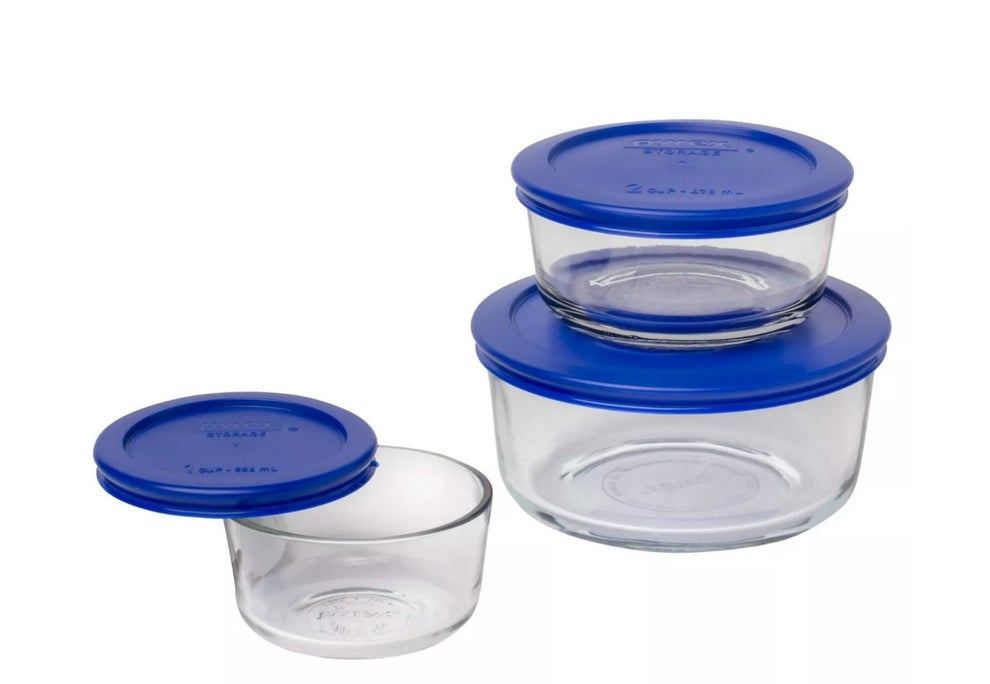
- Avoid Plastic Packaging: Choose products with minimal or no plastic packaging. Glass or metal containers are better options for storing household items.
- Read Labels Carefully: Pay attention to ingredient lists. Avoid products containing polyethylene, polypropylene, or other synthetic polymers.
- Support Eco-Friendly Brands: Many companies are now producing microplastic-free products. Support brands that prioritize sustainability and transparency.
[IMAGE: microplastic-free household products for a healthy home]
Making the Switch: A Step-by-Step Guide
Switching to microplastic-free household products doesn’t have to be overwhelming. Start by assessing the products you use most frequently and gradually replace them with eco-friendly alternatives. Here’s a simple step-by-step guide:
- Audit Your Current Products: Take stock of the items in your home that may contain microplastics. Make a list of what you need to replace.
- Research Alternatives: Look up eco-friendly replacements for each item on your list. Consider factors like effectiveness, cost, and availability.
- Start Small: Begin with one or two products, such as switching to a bamboo toothbrush or a natural sponge. This helps you get comfortable with the process.
- Shop Mindfully: When purchasing new products, prioritize those that are labeled as microplastic-free or made from sustainable materials.
- Stay Informed: Keep up-to-date with the latest research and trends in microplastic-free living. Join online communities or follow eco-conscious influencers for inspiration and advice.
[IMAGE: microplastic-free household products for a healthy home]
The Benefits of a Microplastic-Free Home
Making the switch to microplastic-free household products offers numerous benefits beyond just reducing your exposure to harmful particles. Here are some of the advantages you can expect:
- Healthier Living Environment: By eliminating microplastics from your home, you create a cleaner, safer space for your family.
- Environmental Protection: Reducing microplastic waste helps protect waterways, marine life, and ecosystems.
- Cost Savings: Many eco-friendly products are durable and long-lasting, potentially saving you money in the long run.
- Support for Sustainable Practices: Choosing microplastic-free products encourages manufacturers to adopt more responsible production methods.
[IMAGE: microplastic-free household products for a healthy home]
Conclusion
Choosing microplastic-free household products is an important step toward a healthier home and a more sustainable future. By understanding the sources of microplastics and making informed choices, you can significantly reduce your exposure to these harmful particles. Whether you're swapping out your dish sponges or choosing eco-friendly laundry detergents, every small change adds up to a bigger impact. With the right knowledge and resources, creating a microplastic-free home is not only achievable but also rewarding. Start today, and take control of your health and the health of the planet.

Post a Comment for "How to Choose Microplastic-Free Household Products for a Healthier Home"
Post a Comment