How to Choose the Best Microplastic Water Filter System for Your Home
The presence of microplastics in our drinking water has become a growing concern for health-conscious individuals. These tiny plastic particles, often imperceptible to the naked eye, are now found in municipal water supplies and can pose potential health risks. However, with the right water filter system, you can ensure your home receives cleaner, safer drinking water. This guide will help you choose the best microplastic water filter system for your needs.
Understanding Microplastics in Water
Microplastics are defined as plastic fragments less than 5 millimeters in size. They originate from various sources, including the degradation of larger plastic items, synthetic textiles, and industrial waste. These particles can enter our water supply through runoff, wastewater, and even the breakdown of plastic bottles and packaging.
The health implications of microplastics are still being studied, but early research suggests they may cause cellular damage, immune system disruption, and hormonal imbalances. Given their small size, they can easily pass through standard filtration systems, making it essential to choose a filter that effectively removes them.
Key Factors to Consider When Choosing a Microplastic Water Filter
1. Certifications
When selecting a water filter, look for certifications that validate its effectiveness against microplastics. The most reliable certification is NSF/ANSI 401, which specifically tests for the removal of emerging contaminants, including microplastics. Other relevant certifications include NSF/ANSI 42 (aesthetic effects) and NSF/ANSI 53 (health effects).
2. Filtration Technology
Different filtration technologies offer varying levels of effectiveness in removing microplastics. Here’s a breakdown of the most common types:
- Reverse Osmosis (RO): RO systems use a semi-permeable membrane with pores as small as 0.0001 microns, making them highly effective at removing microplastics. They also remove other contaminants like lead, PFAS, and chlorine.
- Ultrafiltration (UF): UF systems have slightly larger pores (around 0.01–0.02 microns) but are still effective at removing most microplastics and bacteria.
- Carbon Filters: Activated carbon filters are good for improving taste and odor but may not capture the smallest microplastics unless they have a sub-micron rating.
3. Filter Type and Installation
Consider the type of filter that best suits your home. Options include countertop systems, under-sink units, and whole-house systems. Countertop systems are ideal for renters or those who prefer a plug-and-play solution, while under-sink systems offer more comprehensive filtration.
4. Water Flow Rate and Capacity
The flow rate and capacity of the filter are important considerations. Some systems, like reverse osmosis, may take longer to process water, so plan accordingly. If you have a large household, a high-capacity system may be necessary.
5. Cost and Maintenance
Evaluate the initial cost and ongoing maintenance expenses. While some systems may have a higher upfront cost, they might save money in the long run due to lower replacement costs. Also, consider the frequency of filter replacements and the ease of installation.
Top Microplastic Water Filter Systems
1. AquaTru Carafe
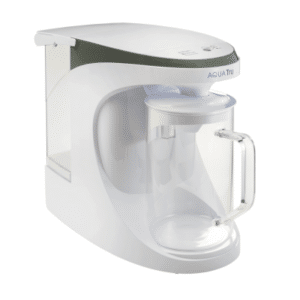
The AquaTru Carafe is a top-rated countertop reverse osmosis system that offers excellent microplastic removal. It features a 4-stage filtration process, including sediment, pre-carbon, reverse osmosis, and post-carbon filters. Certified by IAPMO to NSF/ANSI 401, it removes 99%+ of contaminants, including microplastics.
Pros: - Effective microplastic removal - Glass carafe minimizes plastic contact - No installation required
Cons: - Slower filtration speed - Higher initial cost
2. AquaTru Classic
The AquaTru Classic is another excellent option for households with higher water consumption. It also uses a 4-stage reverse osmosis system and is certified to NSF/ANSI 401. It features a digital display for filter life tracking and a larger 2.7-liter purified water tank.
Pros: - High capacity - Digital filter monitoring - Efficient water usage
Cons: - Requires dedicated counter space - Longer filtration time
3. British Berkefeld Ultra Sterasyl Filter
For those who prefer a gravity-fed system, the British Berkefeld Ultra Sterasyl filter is an excellent choice. It uses ceramic and carbon filters to remove microplastics and other contaminants. It is certified to NSF/ANSI 401 and does not require electricity or plumbing.
Pros: - No power or plumbing needed - Durable stainless steel construction - No wastewater produced
Cons: - Slower filtration rate - Higher initial investment
4. Brita Elite Pitcher
The Brita Elite pitcher is a budget-friendly option that offers certified microplastic removal. It uses activated carbon and ion-exchange resin to reduce impurities and is certified by NSF International to reduce lead, mercury, and other contaminants.
Pros: - Affordable - Easy to use - Extended filter life
Cons: - May not remove all microplastics - Plastic pitcher design could leach microplastics
Tips for Maintaining Your Microplastic Water Filter
Regular maintenance is crucial to ensure your filter continues to perform effectively. Follow these tips:
- Replace Filters Regularly: Check the manufacturer's recommendations for filter replacement intervals. Clogged filters can reduce efficiency and affect water quality.
- Clean the System: Periodically clean the filter housing and components to prevent buildup and maintain optimal performance.
- Monitor Water Quality: Use a TDS meter to check the total dissolved solids in your water. This can help you determine if your filter is working correctly.
- Store Water Properly: After filtering, store water in glass or stainless steel containers to avoid recontamination from plastic.
Conclusion
Choosing the best microplastic water filter system for your home requires careful consideration of factors such as certifications, filtration technology, and maintenance requirements. By understanding the different options available and their effectiveness, you can make an informed decision that ensures your family has access to clean, safe drinking water. Whether you opt for a countertop reverse osmosis system, a gravity-fed filter, or a budget-friendly pitcher, there are solutions available to meet your specific needs. Always prioritize certified products and regular maintenance to maximize the benefits of your water filter system.

Post a Comment for "How to Choose the Best Microplastic Water Filter System for Your Home"
Post a Comment