How Mitochondrial Health Can Be Improved Through Zone 2 Workouts
For many, the idea of improving mitochondrial health through exercise is both intriguing and empowering. Mitochondria, often referred to as the "powerhouses of the cell," play a critical role in energy production, and their efficiency directly impacts overall health, endurance, and longevity. One popular approach to enhancing mitochondrial function is Zone 2 workouts—a form of low-intensity exercise that has gained traction in recent years. But what exactly is Zone 2 training, and how does it affect mitochondrial health? In this article, we’ll explore the science behind Zone 2 workouts, their potential benefits for mitochondrial function, and whether they’re the best strategy for long-term health.

Understanding Zone 2 Training

Zone 2 training refers to low-intensity aerobic exercise performed at a heart rate that falls between 60-75% of your maximum heart rate. This intensity level is often described as "conversational" because you should be able to hold a conversation without gasping for breath. Unlike high-intensity interval training (HIIT) or sprinting, which push the body to its limits, Zone 2 workouts are designed to be sustainable over longer durations.
The concept of heart rate zones was developed by sports scientists to categorize different levels of exertion based on physiological responses. Zone 1 is the lowest intensity (resting or very light activity), while Zones 3-6 represent progressively higher intensities that require more effort and rely more on carbohydrates for fuel. Zone 2 sits just below the lactate threshold—the point at which lactic acid begins to accumulate in the muscles.
The Link Between Zone 2 and Mitochondrial Health

Mitochondria are responsible for producing adenosine triphosphate (ATP), the molecule that provides energy for cellular processes. When you exercise, especially at higher intensities, your body requires more ATP, which stimulates mitochondrial biogenesis—the process of creating new mitochondria. While Zone 2 training may not be the most intense form of exercise, it still has the potential to improve mitochondrial function.
Research suggests that even low-intensity exercise can stimulate mitochondrial adaptations, particularly when performed consistently over time. A study published in Frontiers in Physiology found that 10 weeks of Zone 2 training increased mitochondrial enzyme activity in individuals with type 2 diabetes. This indicates that Zone 2 workouts can contribute to improved metabolic health and mitochondrial efficiency.
However, the evidence is mixed. Some studies show that higher-intensity training leads to greater mitochondrial adaptations, while others suggest that Zone 2 can still provide meaningful benefits, especially for beginners or those recovering from injury.
Benefits of Zone 2 Workouts for Mitochondrial Function

While the debate around the optimal intensity for mitochondrial growth continues, there are several reasons why Zone 2 workouts may still be beneficial:
-
Improved Fat Oxidation
Zone 2 training primarily uses fat as a fuel source, which can enhance the body’s ability to utilize stored energy efficiently. This not only supports endurance but also helps maintain stable blood sugar levels, reducing the risk of insulin resistance. -
Increased Mitochondrial Density
Although not as intense as HIIT, consistent Zone 2 exercise can stimulate the production of new mitochondria. This is particularly beneficial for individuals who may not be able to tolerate high-intensity workouts due to age, injury, or other health conditions. -
Enhanced Recovery
Because Zone 2 workouts are low-impact and less taxing on the body, they can serve as an effective recovery tool. This allows individuals to maintain an active lifestyle without overloading their systems, which is crucial for long-term mitochondrial health. -
Better Cardiovascular Efficiency
Regular Zone 2 training improves cardiovascular function by increasing capillary density and oxygen delivery to muscles. This makes the heart and lungs more efficient, which in turn supports mitochondrial function.
How to Incorporate Zone 2 into Your Routine
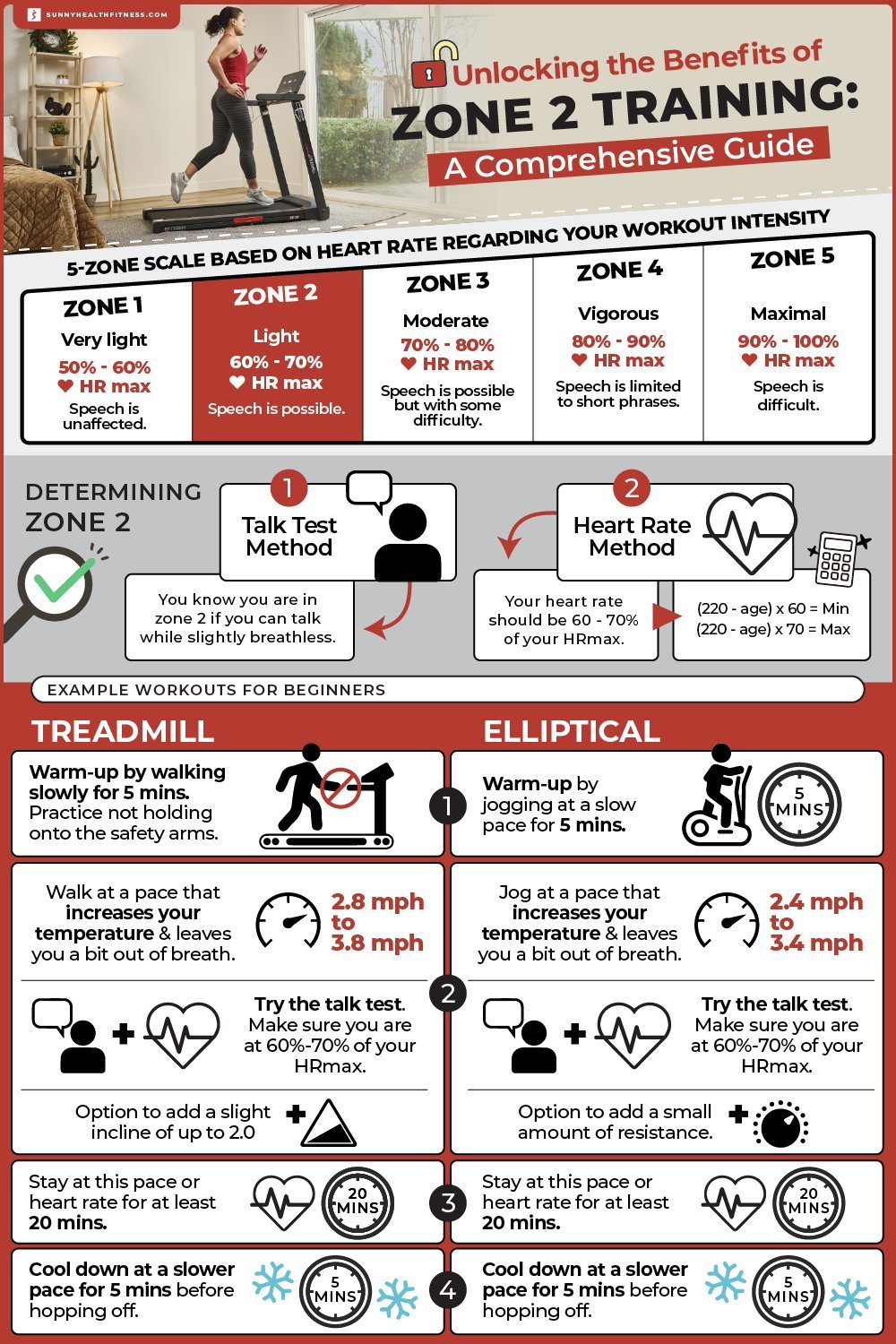
If you're new to Zone 2 training, start with short sessions and gradually increase the duration. Here's a simple guide to help you get started:
- Heart Rate Monitoring: Use a fitness tracker or heart rate monitor to ensure you're staying within the 60-75% range of your maximum heart rate.
- Choose the Right Activity: Running, cycling, swimming, or brisk walking are all excellent options for Zone 2 workouts.
- Duration and Frequency: Begin with 20-minute sessions 2-3 times per week, and work your way up to 60 minutes as your endurance improves.
- Focus on Consistency: The key to reaping the benefits of Zone 2 training is consistency. Aim to make it a regular part of your weekly routine.
The Role of Intensity in Mitochondrial Adaptations

While Zone 2 training offers several benefits, it's important to recognize that higher-intensity exercise may be more effective for maximizing mitochondrial adaptations. Studies have shown that high-intensity interval training (HIIT) and sprint interval training (SIT) can lead to greater increases in mitochondrial content and respiratory function compared to low-intensity workouts.
However, this doesn't mean Zone 2 should be ignored. For individuals who are unable to perform high-intensity exercise due to physical limitations or time constraints, Zone 2 can still be a valuable tool. It provides a safe and accessible way to stay active, support metabolic health, and build a foundation for more intense training in the future.
Conclusion
Zone 2 workouts offer a unique approach to improving mitochondrial health by focusing on low-intensity, sustainable exercise. While they may not be the most effective method for maximizing mitochondrial adaptations, they can still provide significant benefits—especially for beginners, those recovering from injury, or individuals looking for a gentler way to stay active.
Ultimately, the key to mitochondrial health lies in a balanced approach that includes both low- and high-intensity exercise. By incorporating Zone 2 workouts into your routine, you can support long-term metabolic function, enhance recovery, and build a stronger foundation for more intense training. Whether you're just starting out or looking to refine your fitness strategy, understanding the role of Zone 2 in mitochondrial health can help you make informed decisions about your exercise routine.

Post a Comment for "How Mitochondrial Health Can Be Improved Through Zone 2 Workouts"
Post a Comment