How Microplastics Affect Gut Health: What You Need to Know
In recent years, microplastics have become a topic of growing concern for scientists and the general public alike. These tiny plastic particles, often less than 5 millimeters in size, are found everywhere—from the depths of our oceans to the air we breathe. While their environmental impact is well-documented, the effects of microplastics on human health, particularly gut health, are still being explored. This article will delve into how microplastics can affect your digestive system, what the latest research reveals, and what you can do to protect yourself.
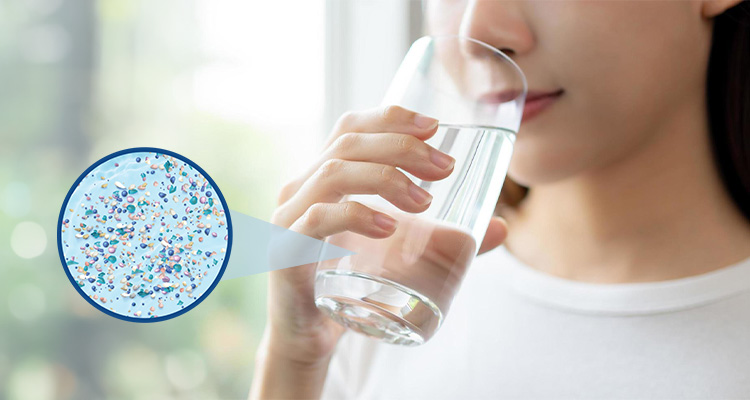
The Link Between Microplastics and Gut Health

The human gut is home to a complex ecosystem of microorganisms known as the gut microbiome. This community plays a vital role in digestion, nutrient absorption, and immune function. However, the introduction of foreign substances like microplastics can disrupt this delicate balance, leading to potential health issues.
Recent studies suggest that microplastics may adhere to the intestinal walls, triggering inflammation and altering the composition of the gut microbiome. This disruption can have far-reaching consequences, from gastrointestinal disorders to metabolic diseases. Understanding these interactions is essential for developing strategies to protect gut health in the face of microplastic exposure.
How Microplastics Affect the Gut Microbiome

When microplastics enter the gut, they can interfere with the microbiome’s stability, potentially leading to several health problems. The physical characteristics of microplastics, such as their size and surface properties, may contribute to their ability to interact with intestinal cells and microbial communities.
This disruption can lead to a decrease in beneficial bacteria and an increase in harmful strains, impairing the gut's ability to function effectively. As a result, nutrient absorption, immune response, and even mood regulation may be affected. While more research is needed, the implications of these changes are significant for overall health.
The Role of Probiotics in Mitigating Microplastic Impact

Probiotics, live microorganisms that confer health benefits, may offer a promising way to mitigate the negative effects of microplastics on gut health. By enhancing the gut microbiome’s resilience, probiotics can help maintain a balanced microbial environment, even in the presence of foreign substances like microplastics.
In addition to promoting the growth of beneficial bacteria, probiotics can support the gut’s barrier function, protecting it from harmful invaders. Incorporating probiotics into the diet through supplements or fermented foods may serve as a protective measure against microplastic-induced gut disturbances. While more research is needed, their role in supporting gut health remains a promising area of exploration.
Current Research on Microplastics and Gut Health
The scientific community is actively investigating the impact of microplastics on gut health, with numerous studies underway to understand the complex interactions between these particles and our digestive system. Recent findings suggest that microplastics may not only damage the gut lining but also act as carriers for various chemicals and pathogens.
Animal studies have provided valuable insights, revealing potential pathways through which microplastics can induce gut inflammation and alter microbial communities. As the field of microplastics research continues to evolve, collaboration among scientists, policymakers, and industry stakeholders will be essential to develop effective strategies for mitigating their health risks.
Microplastics in Food and Water: Sources and Exposure

Microplastics have infiltrated our food and water supply, raising concerns about their potential impact on human health. These tiny particles can enter the food chain through various pathways, including:
- Marine Life: Microplastics are ingested by marine organisms, such as fish and shellfish, which are then consumed by humans.
- Agricultural Practices: The use of plastic mulch and irrigation can introduce microplastics into soil and crops.
- Water Supply: Microplastics have been detected in both tap and bottled water, as well as in beverages like tea and beer.
The widespread presence of microplastics in our food and water highlights the need for awareness and action to minimize exposure. Understanding the sources and pathways of microplastics can help inform strategies to reduce their presence in our diets and mitigate associated health risks.
Health Risks Associated with Microplastics in the Gut

The potential health risks posed by microplastics in the gut are a growing concern, with research suggesting several adverse effects. These risks may include:
- Inflammation: Microplastics can trigger an inflammatory response in the gut, leading to discomfort and potentially contributing to inflammatory bowel diseases.
- Toxicity: Microplastics may carry toxic substances, such as heavy metals and persistent organic pollutants, which can harm gut health.
- Microbial Imbalance: The presence of microplastics can disrupt the gut microbiome, impairing its ability to perform essential functions and increasing susceptibility to infections.
Understanding these health risks is crucial for developing effective strategies to protect gut health from microplastic exposure. By addressing the root causes of microplastic pollution and implementing protective measures, we can mitigate the potential impact on our digestive systems.
Strategies to Reduce Microplastic Exposure

Reducing microplastic exposure is a critical step in protecting gut health. Here are some strategies to consider:
- Choose Plastic-Free Products: Opt for products with minimal plastic packaging and avoid items containing microbeads.
- Support Sustainable Practices: Advocate for sustainable agricultural practices and support companies committed to reducing plastic waste.
- Filter Your Water: Use water filters that can effectively remove microplastics from tap water.
These strategies can help minimize microplastic exposure and mitigate potential health risks. By making informed choices and advocating for change, we can contribute to a healthier environment and protect our gut health.
Conclusion: Understanding and Addressing the Microplastic Issue
Understanding the impact of microplastics on gut health is crucial for safeguarding our well-being. As we have explored, microplastics can disrupt the gut microbiome, induce inflammation, and pose various health risks. By staying informed and taking proactive steps to reduce microplastic exposure, we can protect our digestive systems and promote overall health.
As individuals, we have the power to make choices that contribute to a healthier environment and reduce the burden of microplastics on our planet. Together, we can address the microplastic issue and work towards a future where our health and the health of our planet are protected from the threats posed by microplastics. Let us take action today for a sustainable tomorrow.

Post a Comment for "How Microplastics Affect Gut Health: What You Need to Know"
Post a Comment