How Microbiome Testing Can Influence Your Diet and Health
The human gut microbiome is a complex ecosystem of trillions of microorganisms that play a critical role in our overall health. From digestion to immune function, the balance of these microbes can significantly impact our well-being. As scientists continue to unravel the mysteries of this microbial world, one area of growing interest is microbiome testing and how it can influence diet and health. This article explores the science behind microbiome testing, its potential to personalize nutrition, and how it can lead to better health outcomes.
Understanding the Gut Microbiome
The gut microbiome refers to the collection of bacteria, viruses, fungi, and other microorganisms that live in the digestive tract. These microbes are not just passive residents; they actively participate in various bodily functions. For instance, they help break down food, produce essential vitamins, and even communicate with the brain via the gut-brain axis.
Research has shown that an imbalance in the gut microbiome—often referred to as dysbiosis—can lead to a range of health issues, including digestive problems, autoimmune disorders, and even mental health conditions. This is why understanding the composition of your microbiome is crucial for maintaining optimal health.
The Role of Microbiome Testing
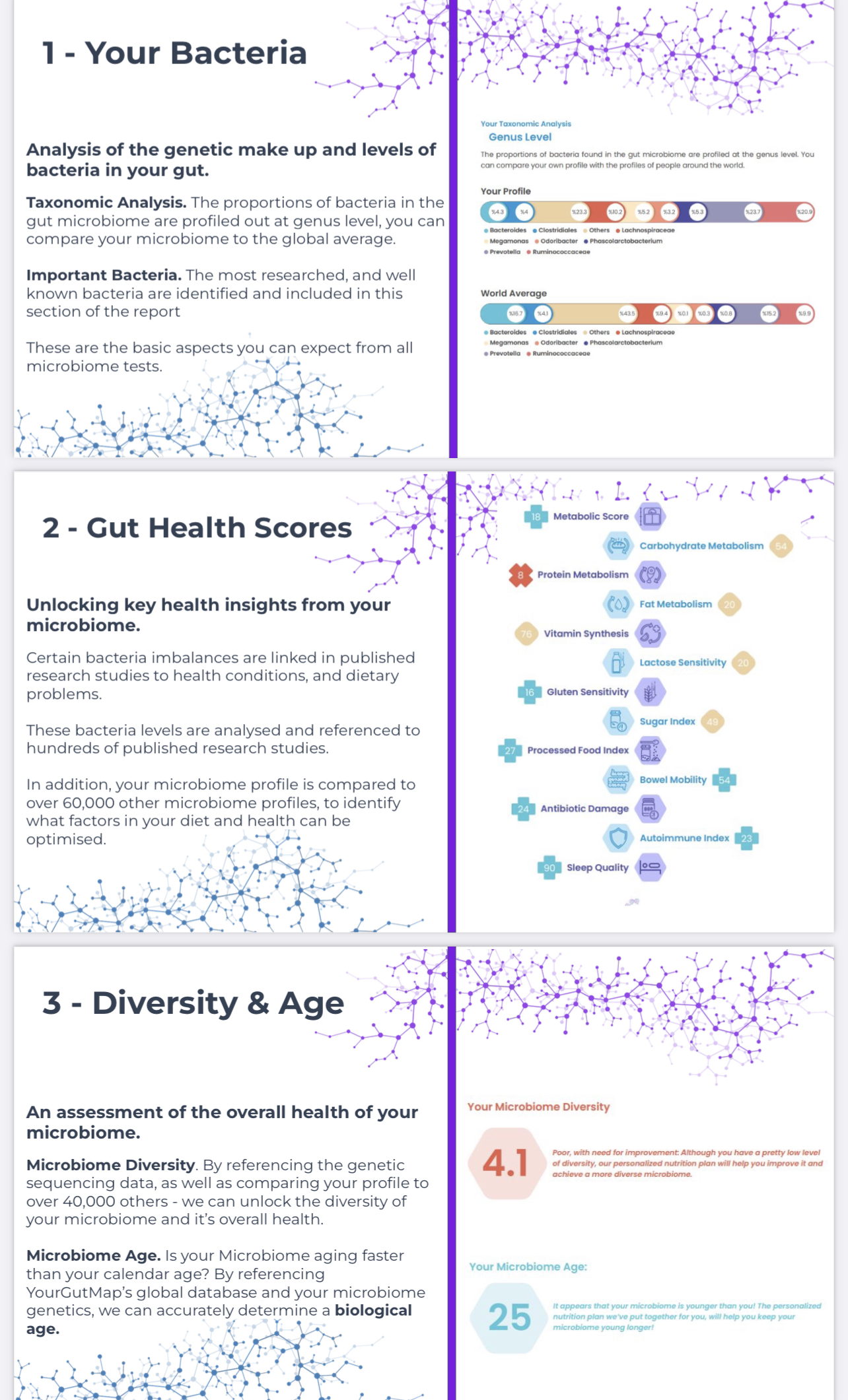
Microbiome testing involves analyzing the genetic material of the microbes in your gut to determine their diversity and abundance. This process can reveal insights into your gut health, such as whether you have a high level of beneficial bacteria or an overgrowth of harmful ones.
One of the key benefits of microbiome testing is its ability to provide personalized recommendations. By identifying specific imbalances, healthcare providers can tailor dietary advice to address these issues. For example, if a test shows a low level of certain beneficial bacteria, a diet rich in prebiotics and probiotics may be recommended to restore balance.
[IMAGE: Microbiome testing and diet influencing health]
How Diet Affects the Microbiome
Diet plays a significant role in shaping the gut microbiome. The foods we consume directly influence the types and quantities of microbes present in our gut. For instance, a diet high in fiber from fruits, vegetables, and whole grains supports the growth of beneficial bacteria, while a diet high in processed foods and sugars can promote the growth of harmful microbes.
Key Nutrients for a Healthy Microbiome
- Prebiotics: These are non-digestible fibers that serve as food for beneficial bacteria. Foods like garlic, onions, and bananas are excellent sources of prebiotics.
- Probiotics: Live bacteria found in fermented foods such as yogurt, kefir, and sauerkraut can help replenish the gut with healthy microbes.
- Postbiotics: These are the byproducts of bacterial fermentation, such as short-chain fatty acids (SCFAs), which have anti-inflammatory properties and support gut health.
The Impact of Processed Foods
Processed foods, particularly those high in sugar and artificial additives, can disrupt the balance of the gut microbiome. These foods often lack the nutrients needed to support beneficial bacteria and can promote the growth of harmful microbes. Studies have shown that a diet high in processed foods is associated with increased inflammation and a higher risk of chronic diseases.
[IMAGE: Microbiome testing and diet influencing health]
Practical Tips for a Microbiome-Friendly Diet
- Increase Fiber Intake: Aim to include a variety of fiber-rich foods in your diet, such as leafy greens, legumes, and whole grains. Start slowly to avoid digestive discomfort.
- Incorporate Fermented Foods: Add probiotic-rich foods like kimchi, yogurt, and kombucha to your meals to support a healthy microbiome.
- Limit Processed Foods: Reduce your consumption of processed snacks, sugary drinks, and fast food. Opt for whole, unprocessed foods whenever possible.
- Stay Hydrated: Drinking plenty of water helps maintain a healthy gut environment and supports the proper functioning of the digestive system.
- Consider Supplements: If you're struggling to meet your nutritional needs through diet alone, consider supplements like probiotics or prebiotics. However, consult with a healthcare provider to ensure they are appropriate for your specific needs.
[IMAGE: Microbiome testing and diet influencing health]
Real-Life Examples and Success Stories
Many individuals have reported positive changes after making dietary adjustments based on their microbiome test results. For example, someone with a low level of Bifidobacteria might benefit from increasing their intake of prebiotic-rich foods like apples and oats. Similarly, those with an overgrowth of harmful bacteria may see improvements by incorporating more probiotic-rich foods into their diet.
One real-life example is a person who experienced chronic bloating and fatigue. After undergoing microbiome testing, they discovered an imbalance in their gut flora. By following a personalized diet plan that included more fiber, fermented foods, and targeted supplements, they were able to alleviate their symptoms and improve their overall energy levels.
[IMAGE: Microbiome testing and diet influencing health]
Conclusion
Microbiome testing offers a powerful tool for understanding and improving gut health. By providing insights into the composition of your microbiome, it allows for personalized dietary recommendations that can lead to better health outcomes. While the science is still evolving, the evidence suggests that a microbiome-friendly diet can have a profound impact on our well-being.
As we continue to learn more about the gut microbiome, it's clear that what we eat plays a crucial role in shaping our health. By making informed choices about our diet, we can support a thriving microbiome and, in turn, enjoy better physical and mental health. Whether through simple changes like increasing fiber intake or more targeted approaches based on microbiome testing, the path to a healthier gut is within our reach.

Post a Comment for "How Microbiome Testing Can Influence Your Diet and Health"
Post a Comment