How Microbiome Testing Can Help Tailor Your Diet Plan for Optimal Health
In the ever-evolving world of health and wellness, one concept is gaining significant traction: the microbiome. The gut microbiome—the trillions of microorganisms living in your digestive tract—plays a critical role in everything from digestion to immunity, and even mental health. As research continues to uncover the complex relationship between our gut bacteria and overall well-being, more people are turning to microbiome testing as a tool to better understand their unique health needs. This article explores how microbiome testing can help tailor your diet plan for optimal health, offering insights into personalized nutrition, practical tips, and real-world applications.
Understanding the Gut Microbiome
The gut microbiome is an ecosystem of microbes that includes bacteria, fungi, viruses, and other microorganisms. These microbes are not just passive residents; they actively influence your body's functions. For instance, they help break down food, produce essential vitamins, and support immune function. However, the composition of this microbial community is highly individualized, shaped by factors like genetics, diet, lifestyle, and environmental exposures.
What makes the microbiome particularly fascinating is its adaptability. Unlike your genome, which remains relatively stable throughout your life, your microbiome can change rapidly in response to dietary and lifestyle changes. This dynamic nature means that understanding your microbiome can provide valuable insights into how to optimize your health through tailored nutrition.
The Role of Microbiome Testing
Microbiome testing involves analyzing a stool sample to determine the types and quantities of microorganisms present in your gut. This process can reveal imbalances or deficiencies that may be contributing to health issues. For example, if your test shows low levels of beneficial bacteria, it might indicate that you need to adjust your diet to promote their growth.
There are several types of microbiome tests available, ranging from basic at-home kits to more comprehensive lab-based analyses. Some tests focus on identifying specific bacterial species, while others provide information on the functional aspects of the microbiome, such as how well it metabolizes certain nutrients. Regardless of the type, the goal is to gain a deeper understanding of your gut health so you can make informed decisions about your diet and lifestyle.
Personalized Nutrition Through Microbiome Insights
One of the most exciting benefits of microbiome testing is its potential to guide personalized nutrition. Traditional dietary recommendations often take a one-size-fits-all approach, but the reality is that each person's microbiome is unique. What works for one person may not work for another.
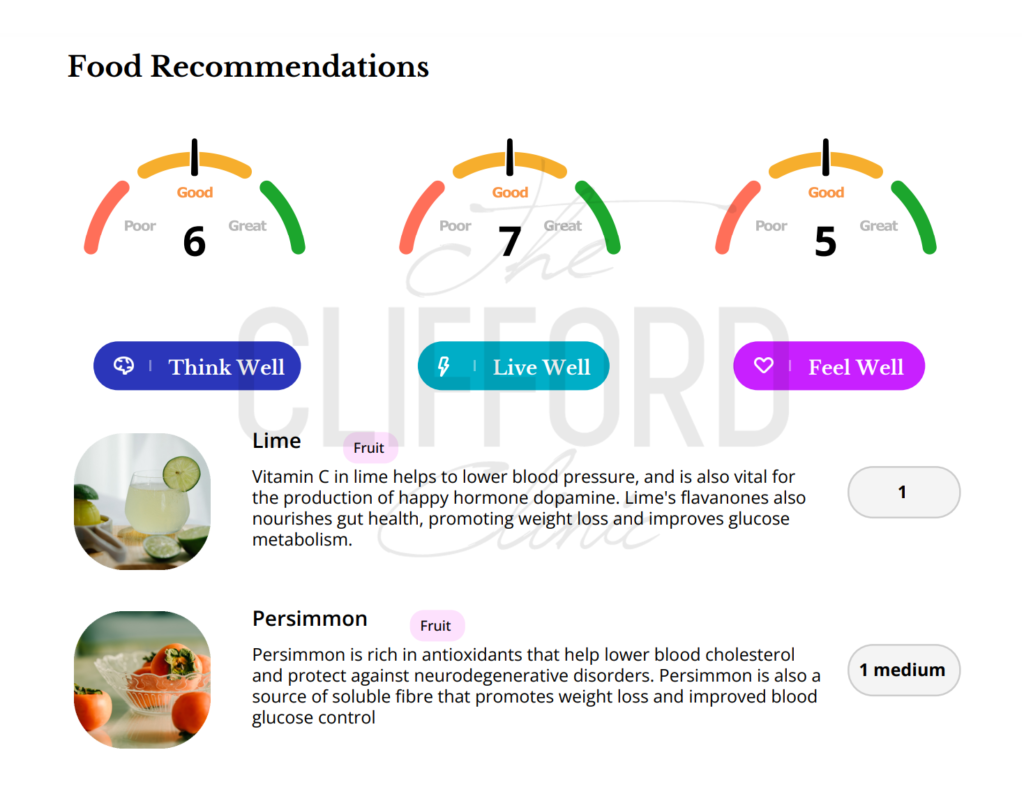
For instance, if your microbiome test reveals that you have high levels of bacteria associated with fiber metabolism, you might benefit from increasing your intake of high-fiber foods like fruits, vegetables, and whole grains. Conversely, if your test shows low levels of bacteria that help digest lactose, you might want to limit dairy products or consider alternatives like plant-based milks.
By tailoring your diet to your specific microbiome profile, you can potentially improve digestion, boost immunity, and enhance overall well-being. This personalized approach can also help identify food intolerances or sensitivities that may be causing gastrointestinal discomfort. For example, if your test indicates a lack of bacteria that ferment certain carbohydrates, you might experience bloating or gas after eating foods high in those carbs. Adjusting your diet accordingly can alleviate these symptoms and improve your quality of life.
Practical Tips for Optimizing Your Diet Based on Microbiome Results
Once you have your microbiome test results, the next step is to use that information to make meaningful changes to your diet. Here are some practical tips to consider:
-
Increase Fiber Intake: Aim for a variety of fiber-rich foods, including both soluble and insoluble fibers. Soluble fibers, found in foods like oats and apples, can help lower cholesterol and regulate blood sugar, while insoluble fibers, found in whole grains and vegetables, promote regular bowel movements.
-
Incorporate Probiotics and Prebiotics: Probiotics are live bacteria that can help restore a healthy balance of gut flora, while prebiotics are types of fiber that feed these beneficial bacteria. Foods like yogurt, kefir, sauerkraut, garlic, onions, and bananas can be excellent sources of both probiotics and prebiotics.
-
Limit Processed Foods and Sugars: Highly processed foods and added sugars can disrupt the balance of your gut microbiome, leading to inflammation and other health issues. Try to minimize your intake of these foods and opt for whole, unprocessed options instead.
-
Stay Hydrated: Drinking plenty of water helps maintain a healthy digestive system and supports the proper functioning of your gut microbiome.
-
Manage Stress: Chronic stress can negatively impact your gut health. Incorporate stress-reducing activities like meditation, yoga, or deep breathing exercises into your daily routine.
By implementing these strategies, you can create a diet that supports a healthy and diverse microbiome, ultimately enhancing your overall health and well-being.
Monitoring and Adjusting Your Microbiome Over Time
Just as your microbiome can change in response to dietary and lifestyle factors, it's important to monitor these changes over time. Regular microbiome testing can help you track your progress and make adjustments as needed. For example, if you notice that your gut health has improved after making dietary changes, you can continue with those habits. If not, you might need to explore different approaches or consult with a healthcare professional.
It's also worth noting that the microbiome is influenced by a variety of factors beyond diet, including sleep, physical activity, and medication use. Therefore, maintaining a holistic approach to health is essential. By combining microbiome testing with other healthy habits, you can create a comprehensive strategy for optimizing your well-being.
Conclusion
The human microbiome is a dynamic and complex ecosystem that plays a crucial role in our health. With the advent of microbiome testing, we now have powerful tools to understand and optimize our gut health. By tailoring our diets to our unique microbiome profiles, we can address specific health concerns, improve digestion, and enhance overall well-being.
As research continues to evolve, the potential applications of microbiome testing will only expand. Whether you're looking to manage a chronic condition, improve your energy levels, or simply feel better, understanding your microbiome can be a game-changer. By taking a proactive approach to your health and using the insights provided by microbiome testing, you can unlock new possibilities for optimal wellness. Remember, your gut health is not just about what you eat—it's about how you nourish the invisible army of microbes that call your gut home.

Post a Comment for "How Microbiome Testing Can Help Tailor Your Diet Plan for Optimal Health"
Post a Comment