How Machine Learning is Revolutionizing Medical Diagnostics
In the ever-evolving landscape of healthcare, one of the most transformative forces is machine learning. This powerful technology is reshaping the way medical professionals diagnose and treat patients, offering unprecedented accuracy, speed, and personalization. From detecting cancer in its earliest stages to predicting heart disease before symptoms appear, machine learning is proving to be a game-changer in medical diagnostics. As we explore this topic, you'll discover how these innovations are improving patient outcomes, streamlining clinical workflows, and paving the way for a more efficient and effective healthcare system.

The Rise of Machine Learning in Healthcare

Machine learning (ML) has emerged as a critical tool in modern medicine, enabling healthcare providers to process vast amounts of data and extract meaningful insights. Unlike traditional diagnostic methods that rely on human expertise alone, ML algorithms can analyze complex patterns in medical images, genetic information, and patient records to detect anomalies that might otherwise go unnoticed. This capability is particularly valuable in fields like radiology, pathology, and cardiology, where early detection can significantly impact treatment success.
For instance, studies have shown that ML models can achieve up to 90% sensitivity in detecting conditions like breast cancer, surpassing the accuracy of some traditional radiologists. These systems are not only faster but also more consistent, reducing the risk of human error and ensuring that no critical detail is overlooked. As a result, ML is becoming an indispensable asset in clinical settings, helping doctors make more informed decisions and improve patient care.
Key Medical AI Tools Driving Innovation
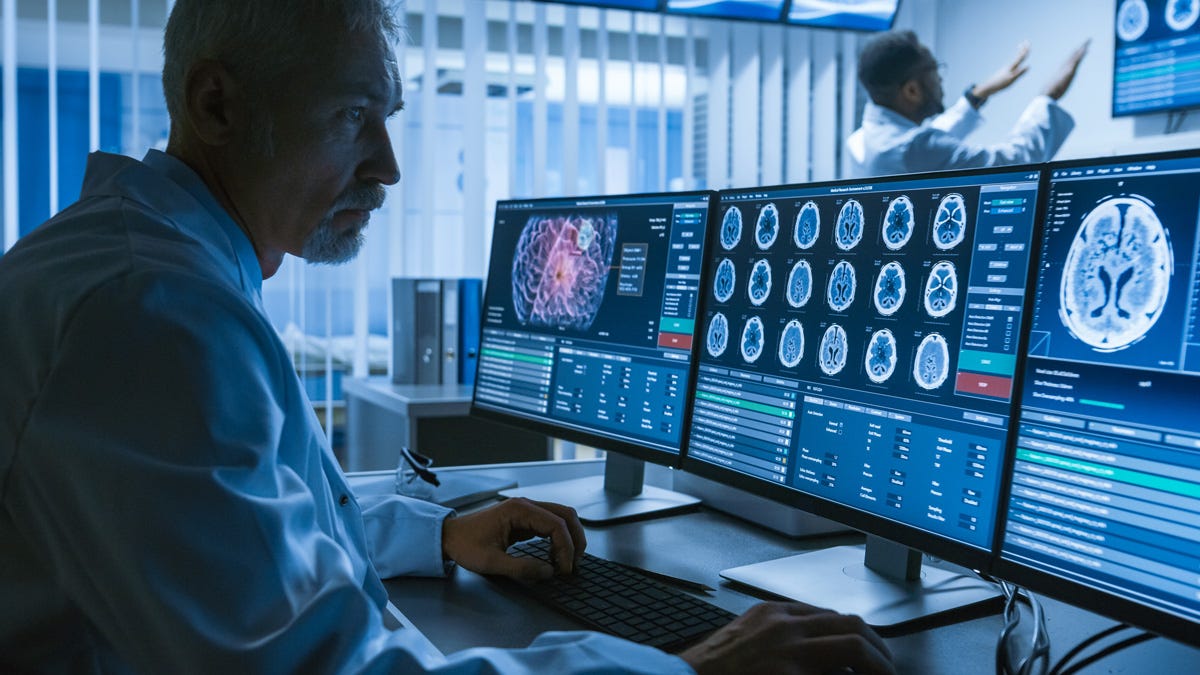
Several cutting-edge tools are at the forefront of this revolution, each bringing unique capabilities to the table. Google Health, for example, has developed deep learning models that excel in mammogram and retinal scan analysis, consistently outperforming experts in early breast cancer detection and diabetic retinopathy screening. These models can highlight subtle anomalies that might be missed during routine reviews, making them invaluable in early diagnosis.
Another notable player is Microsoft’s MAI-DxO, which uses chain-of-debate models to simulate expert reasoning and achieve 85% accuracy on complex diagnostic cases. This tool assists in multi-step decision-making, improving diagnostic confidence for rare or ambiguous conditions. Similarly, Aidoc provides real-time analysis of CT and MRI scans, flagging strokes, intracranial hemorrhages, and pulmonary embolisms. Deployed in over 900 hospitals globally, Aidoc speeds triage and reduces time-to-treatment for critical patients.
IBM Watson and MedGemma integrate seamlessly with electronic health records (EHRs) to predict complications, suggest treatment pathways, and minimize human bias in diagnostic workflows. These tools support clinical decision-making in oncology, cardiology, and internal medicine, offering personalized insights based on patient-specific data.
Enhancing Accuracy and Reducing Human Error

One of the most significant advantages of machine learning in medical diagnostics is its ability to enhance accuracy and reduce human error. Traditional diagnostic methods are susceptible to fatigue, bias, and variability, which can lead to missed diagnoses or incorrect treatments. ML algorithms, on the other hand, operate with a level of consistency and precision that is difficult for humans to match.
For example, in radiology, ML models can detect fractures, tumors, and vascular irregularities with high precision, often identifying abnormalities that might be overlooked by even experienced radiologists. In pathology, AI-powered tools help identify cancerous cells and grade tissue samples with high accuracy, enhancing both speed and diagnostic consistency. These advancements not only improve patient outcomes but also alleviate the workload of healthcare professionals, allowing them to focus on more complex cases.
Real-World Applications and Success Stories
The impact of machine learning in medical diagnostics is best illustrated through real-world applications and success stories. Google’s DeepMind, for instance, has developed AI algorithms that can predict acute kidney injury up to 48 hours before it occurs, allowing medical professionals to take preventive measures. This early warning system has the potential to save lives and reduce the burden on healthcare systems by enabling timely interventions.
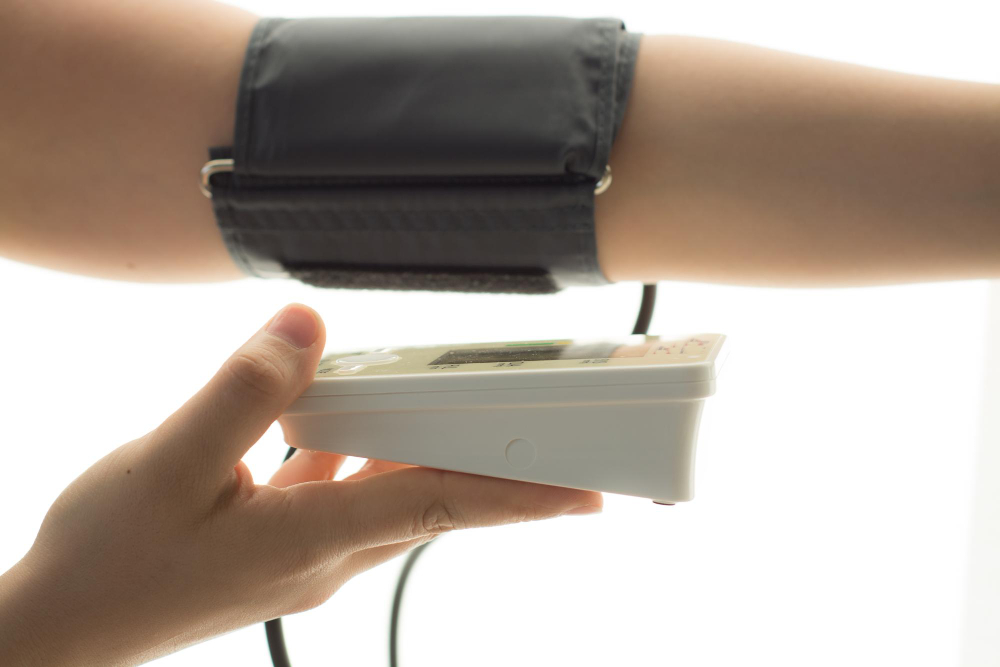
Another compelling example is the use of AI in dermatology, where algorithms trained to interpret medical images can quickly detect skin conditions from photographs. These tools are especially useful in remote areas where access to specialists is limited, providing patients with timely and accurate diagnoses. Similarly, AI-powered wearable devices can track vital signs, detect irregularities, and alert users or healthcare providers to seek medical attention promptly, facilitating early intervention and better health outcomes.
Challenges and Ethical Considerations

Despite its many benefits, the integration of machine learning into medical diagnostics is not without challenges. One of the primary concerns is data privacy and security. AI systems rely on vast amounts of patient data, raising questions about how this information is collected, stored, and used. Ensuring that patient data is protected and used ethically is crucial to maintaining trust in these technologies.
Another challenge is algorithmic bias, which can occur when training datasets are not representative of diverse populations. This can lead to disparities in diagnostic accuracy and treatment recommendations, potentially exacerbating existing health inequities. Addressing these issues requires ongoing research, transparency, and collaboration between developers, clinicians, and policymakers.
Additionally, the need for regulatory oversight cannot be overstated. As AI becomes more integrated into clinical practice, it is essential to establish clear guidelines for its use, ensuring that these technologies are safe, effective, and equitable. This includes rigorous testing, validation, and continuous monitoring to address any emerging risks or limitations.
The Future of Machine Learning in Healthcare

Looking ahead, the future of machine learning in healthcare is promising. Continued research and development in AI-driven medical technologies will further unlock their potential, leading to more accurate diagnoses, personalized treatment plans, and improved patient outcomes. Regulatory bodies and healthcare institutions must work together to establish clear guidelines on ethical AI use, data privacy, and patient consent, ensuring that these technologies are implemented responsibly.
Collaboration among clinicians, data scientists, and policymakers will play a crucial role in shaping the future of AI in healthcare. Comprehensive training programs for healthcare professionals will also be essential, as they need to effectively collaborate with these technologies, interpreting AI-generated insights and making informed clinical decisions. Cultivating a strong human-AI partnership—leveraging the strengths of both—will be key to realizing the full potential of these innovations.
Conclusion
Machine learning is revolutionizing medical diagnostics, offering unparalleled accuracy, efficiency, and personalization. From detecting diseases earlier to reducing human error, these technologies are transforming the way healthcare is delivered. As we continue to explore the possibilities of AI in medicine, it is essential to prioritize ethics, data security, and patient trust. By doing so, we can foster a healthcare landscape that leverages the power of AI to improve diagnosis and treatment while preserving the essential human element in patient care. The journey toward a more efficient and effective healthcare system is just beginning, and the role of machine learning will only grow in importance in the years to come.
Post a Comment for "How Machine Learning is Revolutionizing Medical Diagnostics"
Post a Comment