10 Proven Tips to Optimize Your Menstrual Cycle for Better Health
Your menstrual cycle is more than just a monthly event—it’s a reflection of your overall health and well-being. A balanced cycle can mean fewer cramps, more energy, and better mood stability. Yet, many women struggle with irregularities, painful symptoms, or hormonal imbalances that impact their daily lives. The good news is that there are proven strategies to optimize your menstrual cycle, improve fertility, and enhance your quality of life. Whether you're looking to manage PMS, regulate your flow, or simply feel more in tune with your body, these tips will guide you toward a healthier, more balanced cycle.
Understand the Basics of a Healthy Menstrual Cycle
Before diving into specific strategies, it's important to understand what constitutes a healthy menstrual cycle. On average, a cycle lasts between 21 to 35 days, with bleeding lasting 2 to 7 days. While some variation is normal, consistent irregularity or severe symptoms may signal an underlying issue. Key factors that influence your cycle include:
- Hormonal balance: Fluctuations in estrogen, progesterone, and other hormones play a crucial role in regulating your cycle.
- Nutrition: What you eat directly affects your hormone levels and overall reproductive health.
- Stress: Chronic stress can disrupt your cycle by altering cortisol and other stress-related hormones.
- Exercise: Physical activity impacts hormone production and can either support or hinder menstrual regularity.
- Sleep: Poor sleep patterns can interfere with your circadian rhythm, which is closely tied to hormonal regulation.
By addressing these factors, you can take proactive steps to optimize your cycle and improve your long-term health.
1. Prioritize a Nutrient-Dense Diet

What you eat has a direct impact on your hormonal balance and menstrual health. Incorporating nutrient-dense foods can help regulate your cycle, reduce inflammation, and support reproductive function. Here are some dietary strategies to consider:
- Include healthy fats: Foods like avocados, nuts, seeds, and fatty fish (such as salmon) provide essential omega-3 fatty acids that support hormone production and reduce inflammation.
- Eat plenty of fiber: While excessive fiber can interfere with hormone absorption, moderate amounts from fruits, vegetables, and whole grains help regulate estrogen levels and support digestion.
- Consume adequate protein: Lean proteins like eggs, poultry, and legumes help maintain muscle mass and support hormone synthesis.
- Stay hydrated: Drinking enough water helps flush out toxins and supports overall bodily functions, including menstrual health.
Avoiding processed foods, refined sugars, and excessive caffeine can also make a significant difference. These substances can cause blood sugar spikes and hormonal fluctuations, leading to irregular cycles and increased PMS symptoms.
2. Manage Stress Effectively

Stress is one of the most common disruptors of menstrual health. When you’re under constant pressure, your body produces cortisol, which can throw off your hormonal balance and lead to irregular periods or even amenorrhea (the absence of menstruation). Here are some effective ways to manage stress:
- Practice mindfulness: Techniques such as meditation, deep breathing, or yoga can help calm your nervous system and reduce cortisol levels.
- Get enough sleep: Aim for 7 to 9 hours of quality sleep each night. Poor sleep can worsen stress and disrupt your circadian rhythm.
- Set boundaries: Learn to say no and prioritize self-care to avoid burnout.
- Engage in hobbies: Doing activities you enjoy, such as reading, painting, or gardening, can provide a mental break and reduce stress.
Incorporating stress management into your daily routine can have a profound impact on your menstrual cycle and overall well-being.
3. Exercise Regularly, but Not Excessively

Physical activity is essential for maintaining a healthy menstrual cycle, but it’s important to find the right balance. Moderate exercise supports hormone regulation, improves mood, and enhances fertility, while excessive or intense workouts can have the opposite effect. Consider the following:
- Aerobic exercises: Activities like walking, swimming, or cycling can boost endorphins and improve circulation, helping to ease cramps and reduce PMS symptoms.
- Strength training: Building muscle can support metabolic health and hormone balance.
- Yoga: Gentle yoga practices, especially those focused on relaxation and core strength, can help relieve tension and promote hormonal harmony.
Listen to your body and avoid overtraining, as this can lead to irregular periods or even infertility. Find a form of exercise that feels enjoyable and sustainable.
4. Consider Herbal Supplements

Herbal remedies have been used for centuries to support menstrual health and hormonal balance. While it’s always best to consult a healthcare provider before starting any supplements, some herbs are known for their beneficial effects:
- Cinnamon: May help regulate insulin levels, which can improve menstrual regularity, especially in women with PCOS.
- Turmeric: Contains curcumin, which has anti-inflammatory properties and may help reduce PMS symptoms.
- Evening primrose oil: Rich in gamma-linolenic acid (GLA), this supplement can help alleviate breast tenderness and menstrual pain.
- Chasteberry (Vitex): Often used to support hormonal balance and reduce PMS symptoms.
These herbs can be taken in various forms, such as teas, tinctures, or capsules, and may offer natural relief without the side effects of pharmaceuticals.
5. Stay Hydrated and Avoid Toxins

Hydration plays a key role in maintaining a healthy menstrual cycle. Water helps flush out toxins, supports digestion, and maintains fluid balance in the body. Aim to drink at least 8 glasses of water per day, and consider herbal teas like chamomile or ginger for added benefits.
In addition to hydration, reducing exposure to environmental toxins can help protect your hormonal health. This includes:
- Limiting alcohol consumption
- Avoiding cigarette smoke
- Reducing exposure to plastics and synthetic chemicals
- Choosing organic produce when possible
These small changes can have a big impact on your overall health and menstrual regularity.
6. Track Your Cycle
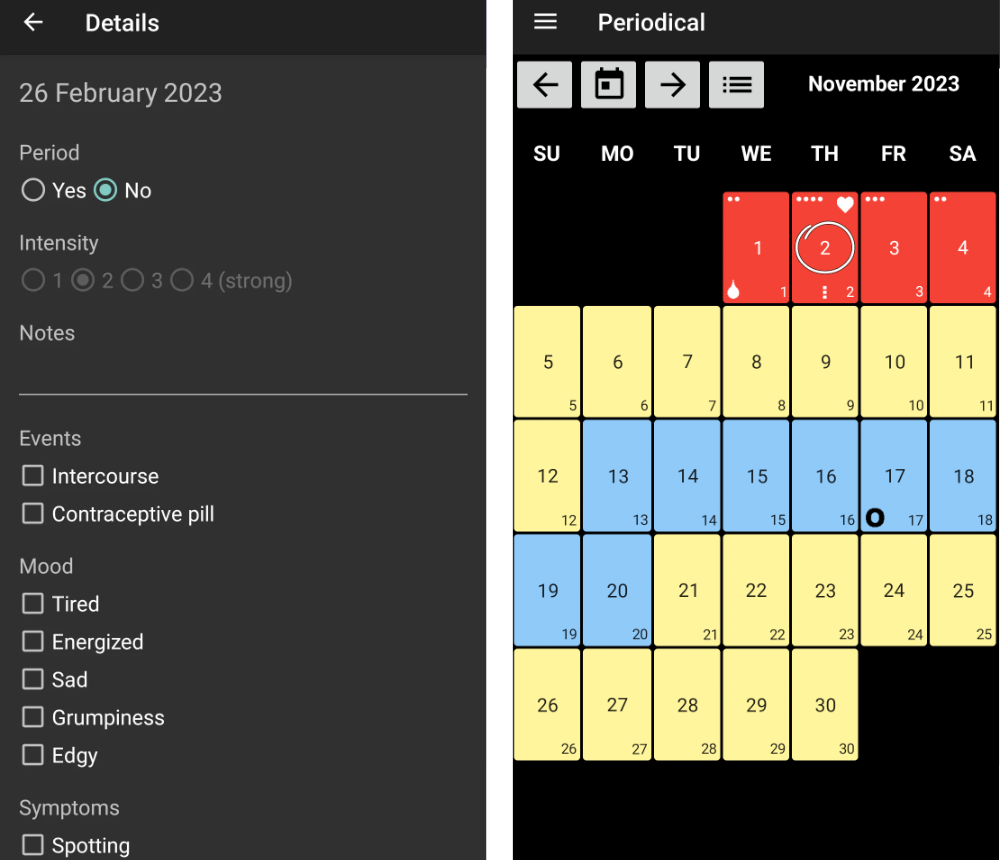
Keeping track of your menstrual cycle can help you identify patterns, predict ovulation, and detect any irregularities early. There are several tools and apps available to help you monitor your cycle, such as:
- Calendar tracking: Note the start and end dates of your period, along with any symptoms you experience.
- Fertility awareness methods: Use apps or charts to track basal body temperature, cervical mucus, and other signs of fertility.
- Menstrual apps: Apps like Clue, Flo, or Period Tracker can provide insights into your cycle and help you stay informed.
By staying aware of your cycle, you can make more informed decisions about your health and lifestyle.
7. Get Enough Sleep

Sleep is often overlooked, but it plays a critical role in hormonal regulation. Lack of sleep can disrupt your circadian rhythm, leading to imbalances in hormones like melatonin and cortisol, which can affect your menstrual cycle. To improve sleep quality:
- Maintain a consistent sleep schedule
- Create a relaxing bedtime routine
- Limit screen time before bed
- Keep your bedroom cool, dark, and quiet
Prioritizing sleep can help you feel more energized, reduce stress, and support a healthier menstrual cycle.
8. Support Liver and Thyroid Health

The liver and thyroid are two key organs involved in hormone metabolism and regulation. Supporting their health can have a positive impact on your menstrual cycle. Here are some ways to do that:
- Eat liver-supporting foods: Include foods like leafy greens, cruciferous vegetables, and garlic, which help detoxify the liver.
- Consume iodine-rich foods: Sea vegetables, dairy products, and eggs support thyroid function.
- Take supplements: Vitamins like B-complex, vitamin D, and selenium can support both liver and thyroid health.
A healthy liver and thyroid contribute to balanced hormones, which in turn support a regular menstrual cycle.
9. Explore Acupuncture and Massage

Acupuncture and massage therapy are traditional practices that have been shown to support menstrual health by improving circulation, reducing stress, and balancing hormones. Acupuncture, in particular, can help regulate menstrual cycles and alleviate pain. Massage therapy can also ease cramps and promote relaxation.
If you’re considering these therapies, seek a licensed practitioner who specializes in women’s health to ensure safe and effective treatment.
10. Consult a Healthcare Professional

While many natural strategies can help optimize your menstrual cycle, it’s important to consult a healthcare professional if you experience persistent irregularities, severe pain, or other concerning symptoms. A doctor can help identify underlying issues such as PCOS, thyroid dysfunction, or hormonal imbalances and recommend appropriate treatments, whether natural or medical.
Conclusion
Optimizing your menstrual cycle is a powerful way to improve your overall health and well-being. By focusing on nutrition, stress management, exercise, and lifestyle habits, you can create a more balanced and harmonious cycle. Remember that every woman’s body is unique, so it’s important to listen to your own needs and make adjustments that work for you. With consistency and care, you can achieve a healthier, more regular menstrual cycle and enjoy a greater sense of vitality and control over your body.

Post a Comment for "10 Proven Tips to Optimize Your Menstrual Cycle for Better Health"
Post a Comment