10 Longevity Lifestyle Habits That Can Help You Live Longer and Healthier
In a world where the pursuit of longevity is more prevalent than ever, it’s easy to get caught up in the hype of expensive supplements, cutting-edge technology, and fad diets. But what if the secret to a longer, healthier life lies not in the latest trend, but in simple, everyday habits? The science is clear: certain lifestyle choices can significantly impact how long and how well you live. From diet and exercise to stress management and social connections, these habits are backed by research and experts. Let’s explore the 10 key practices that can help you live longer and better.

1. Eat More Plants

A plant-forward diet is one of the most consistently supported strategies for longevity across populations and cultures. Fruits, vegetables, whole grains, legumes, nuts, and seeds are packed with nutrients that support longevity and prevent chronic illness. They reduce inflammation, improve insulin sensitivity, and support gut, cardiovascular, and metabolic health. Research has also shown that plants can protect brain health, with polyphenols in berries offering neuroprotective benefits and leafy greens linked to slower cognitive decline.
The Mediterranean diet, which emphasizes seasonal plants, minimally processed foods, healthy fats, and fish, has the strongest evidence for longevity. Incorporating more plant-based meals into your daily routine doesn’t require drastic changes—just small, sustainable shifts like swapping meat for legumes or adding more vegetables to your plate.
2. Move More
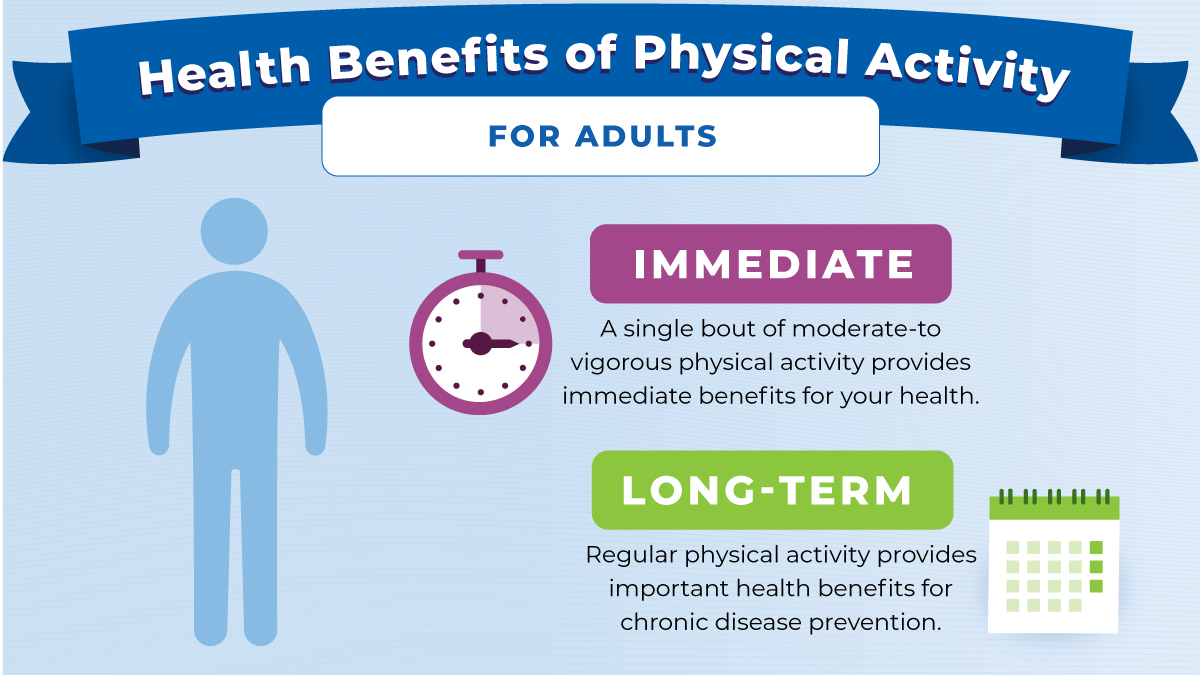
Regular physical activity is one of the most powerful interventions we have for extending both lifespan and healthspan. Exercise improves cardiovascular, brain, and metabolic health, while lowering the risk of cancer, cardiovascular disease, dementia, and depression. Aim for at least 150 minutes of moderate cardio per week, plus two days of strength training and some mobility work like yoga or Pilates.
But it’s not just about hitting the gym. Incorporate more non-exercise movement into your day—like walking, taking the stairs, or doing chores—to stay continuously active. This approach is often more effective than one intense hour at the gym followed by 12 hours of sitting.
3. Build Strength

Muscle is the main organ for controlling blood sugar, and maintaining muscle mass is crucial for metabolic health. As we age, we naturally lose muscle mass, which can lead to insulin resistance and an increased risk of type 2 diabetes. Strength training helps slow this loss and keeps us functional as we age.
Resistance training two times per week is sufficient for most people to see meaningful benefits. Try working out with free weights, resistance bands, or bodyweight exercises like squats and planks. Building strength isn’t just about looking fit—it’s about staying independent and healthy for longer.
4. Cut Back on Alcohol

Even small amounts of alcohol can have negative effects on health. When metabolized, alcohol produces acetaldehyde, a substance that can damage DNA and interfere with its repair mechanism. This increases the risk of certain cancers and other diseases. Alcohol can also disrupt sleep, speed up brain aging, and increase visceral fat.
While it may be hard to eliminate alcohol entirely, especially in a social culture that revolves around drinking, moderation is key. Consider saving alcohol for special occasions and long dinners with friends or family. Small changes can make a big difference over time.
5. Manage Stress

Chronic stress has profound effects on longevity through its impact on inflammation, immune function, and mental health. Persistent activation of the stress response can accelerate biological aging and increase the risk of chronic disease. While eliminating stress entirely isn’t feasible, finding healthy coping strategies can help keep it under control.
Meditation, breathwork, yoga, creative hobbies, and even spending time in nature are all research-backed ways to manage stress. Prioritizing mental well-being is just as important as physical health when it comes to living longer and healthier.
6. Maintain Social Relationships

Strong social and family relationships are one of the best predictors of longevity. Loneliness and social isolation can increase the risk of premature death, while regular social engagement can boost mood, relieve stress, and keep the brain sharp.
Whether it’s catching up with friends, joining a community group, or volunteering, staying connected is essential for both emotional and physical health. Social interaction isn’t just about fun—it’s a vital component of a long, healthy life.
7. Limit Added Sugar and Ultra-Processed Foods

Diets high in added sugar and ultra-processed foods are associated with increased risks of obesity, type 2 diabetes, cardiovascular disease, and premature mortality. These foods are often nutrient-poor and can increase inflammation, making them harmful to long-term health.
Minimizing ultra-processed foods and focusing on whole, minimally processed ingredients is more impactful than strict calorie-counting. Choose seasonal produce, cook more at home, and read labels carefully to avoid hidden sugars. Making these small dietary changes can have a significant effect on longevity.
8. Prioritize Sleep

Adults should aim for at least seven hours of quality sleep each night. Sleep is foundational to nearly every aspect of health and longevity. Poor sleep accelerates biological aging and is linked to higher risks of cardiovascular disease, dementia, depression, obesity, and diabetes.
During sleep, the brain and body go into clean-up and repair mode, and they can’t finish their work when we don’t get enough. Prioritizing good sleep hygiene—like maintaining a consistent bedtime, avoiding screens before bed, and creating a restful environment—can help you achieve the rest you need.
9. Practice Mindfulness

Mindfulness meditation has been shown to reduce stress, lower inflammation, and improve overall well-being. It’s a simple practice that can be done anywhere, anytime. Even five to ten minutes a day can make a difference in mental and physical health.
By focusing on the present moment and cultivating a sense of calm, mindfulness helps reduce the negative effects of stress and supports long-term health. It’s a powerful tool that can be integrated into any daily routine.
10. Cultivate Optimism

An optimistic outlook has been linked to longer life. Studies show that optimistic individuals are better at problem-solving, coping with stress, and recovering from illnesses. While optimism isn’t about ignoring challenges, it’s about focusing on possibilities for growth and improvement.
Practicing gratitude, reframing negative thoughts, and focusing on positive aspects of life can help cultivate a more optimistic mindset. This shift in perspective can have a profound impact on both mental and physical health.
Conclusion
Living longer and healthier doesn’t require drastic changes or expensive solutions. By incorporating these 10 longevity lifestyle habits into your daily routine, you can significantly improve your chances of enjoying a longer, more vibrant life. From eating more plants and moving regularly to managing stress and prioritizing sleep, these habits are backed by science and proven to support long-term health.
Remember, consistency matters more than intensity. Small, sustainable changes made every day add up over time. Whether you’re just starting out or looking to refine your current habits, the key is to stay committed and focused on what truly supports your well-being. With the right habits in place, you can enjoy a life that’s not only longer, but also richer and more fulfilling.

Post a Comment for "10 Longevity Lifestyle Habits That Can Help You Live Longer and Healthier"
Post a Comment