Top Nervous System Support Strategies for Better Health and Well-being
Your nervous system is the silent architect of your health, orchestrating everything from your heartbeat to your emotional responses. When it’s dysregulated—whether due to chronic stress, trauma, or lifestyle habits—it can leave you feeling overwhelmed, anxious, or exhausted. The good news? There are practical, science-backed strategies to support your nervous system and restore balance. Whether you’re looking to reduce anxiety, improve sleep, or simply feel more grounded, this article will guide you through actionable steps that can make a real difference.

1. Set an Actionable Intention for the Day

One of the most effective ways to regulate your nervous system is to start your day with a clear, proactive intention. Instead of focusing on what you want to avoid (like stress or overwhelm), choose something you will do. For example, “I will be kind to myself today” or “I will notice when I feel overwhelmed and pause.” Writing this down or visualizing it for a minute each morning helps you take control of your day rather than reacting to external stressors. This simple practice shifts your mindset from one of fear to empowerment.
2. Prioritize Deep, Uninterrupted Sleep

Sleep is not just rest—it’s a critical time for your body to repair and reset. A dysregulated nervous system often struggles with sleep, leading to fatigue, irritability, and even physical symptoms like headaches or digestive issues. Aim for 7–9 hours of quality sleep by establishing a consistent bedtime routine. Expose yourself to natural light in the morning and limit screen time before bed. Avoid heavy meals and caffeine late in the day. Creating a sleep-friendly environment—cool, dark, and quiet—can also help you fall asleep faster and stay asleep longer.
3. Focus on High-Quality Nutrition

What you eat directly impacts how your nervous system functions. Processed foods, refined sugars, and excessive caffeine can disrupt your mood and energy levels. On the other hand, whole, nutrient-dense foods provide the vitamins, minerals, and healthy fats your brain and body need to thrive. Fermented foods like sauerkraut and kefir support gut health, which is closely linked to mental well-being. Incorporating more leafy greens, nuts, seeds, and lean proteins into your diet can help stabilize your mood and reduce anxiety.
4. Balance Your Blood Sugar Levels

Fluctuating blood sugar levels can wreak havoc on your nervous system, leading to mood swings, fatigue, and irritability. To maintain stability, focus on a low-carb, high-protein diet and avoid sugary snacks. Regular meals and hydration can also help prevent spikes and crashes. If needed, consider using a blood glucose monitor to track your levels and make informed dietary choices. Small, consistent changes can lead to significant improvements in how your body handles stress.
5. Get Some Sunlight

Sunlight is essential for producing vitamin D, which plays a key role in regulating your nervous system. Spend at least 10–15 minutes outside each day, especially in the morning when the sun is less intense. This exposure not only boosts vitamin D but also increases serotonin, a neurotransmitter that improves mood and reduces anxiety. Even a short walk in the sunlight can have a calming effect on your mind and body.
6. Limit Alcohol Consumption

While alcohol may seem like a quick fix for stress, it actually disrupts your nervous system over time. It impairs cognitive function, increases anxiety, and interferes with your body’s natural ability to regulate itself. If you’re working on healing a dysregulated nervous system, consider reducing or eliminating alcohol altogether. Opt for healthier alternatives like herbal teas or sparkling water with citrus.
7. Engage in Somatic Exercises

Somatic exercises are movement-based practices that help you reconnect with your body and release stored tension. Unlike traditional workouts, they focus on awareness and gentle movement rather than intensity. Practices like pendulum sways, spinal twists, or self-hugs can help you feel more grounded and calm. These exercises teach your nervous system how to regulate itself, making them a powerful tool for long-term resilience.
8. Practice Moderate Movement

Regular, moderate exercise like walking, dancing, or yoga can significantly improve your nervous system health. Physical activity releases endorphins, which boost mood and reduce stress. It also enhances heart rate variability, a key indicator of autonomic nervous system balance. Find an activity you enjoy and aim for at least 30 minutes a few times a week. Even a daily walk can make a big difference in how you feel.
9. Try Yoga, Tai Chi, or Qi Gong

These ancient practices combine breathwork, movement, and mindfulness to promote relaxation and balance. They help you become more aware of your body and emotions, allowing you to respond to stress in a calmer, more intentional way. Consistent practice can reduce anxiety, improve sleep, and enhance overall well-being. Whether you’re new to these practices or an experienced practitioner, there’s something for everyone.
10. Use Proprioceptive Stimulation

Proprioception—the sense of where your body is in space—plays a crucial role in nervous system regulation. Activities like walking barefoot on grass, crawling, or resistance training can stimulate this sense and help you feel more grounded. These movements activate the body’s natural feedback loops, promoting a sense of safety and stability.
11. Practice Deep Breathing

Deep breathing is one of the quickest ways to calm your nervous system. Focus on slow, diaphragmatic breaths—inhaling deeply through your nose and exhaling slowly through your mouth. This activates the parasympathetic nervous system, helping you shift from a state of stress to one of relaxation. Even a few minutes of focused breathing can reduce anxiety and improve mental clarity.
12. Chant or Sing

Chanting or singing can be a powerful tool for regulating your nervous system. These practices stimulate the vagus nerve, which promotes relaxation and reduces stress. Whether it’s a simple mantra, a song, or a call-and-response chant, the act of vocalizing can help you feel more centered and connected. It’s also a great way to express emotions and release tension.
13. Take Tech-Free Time
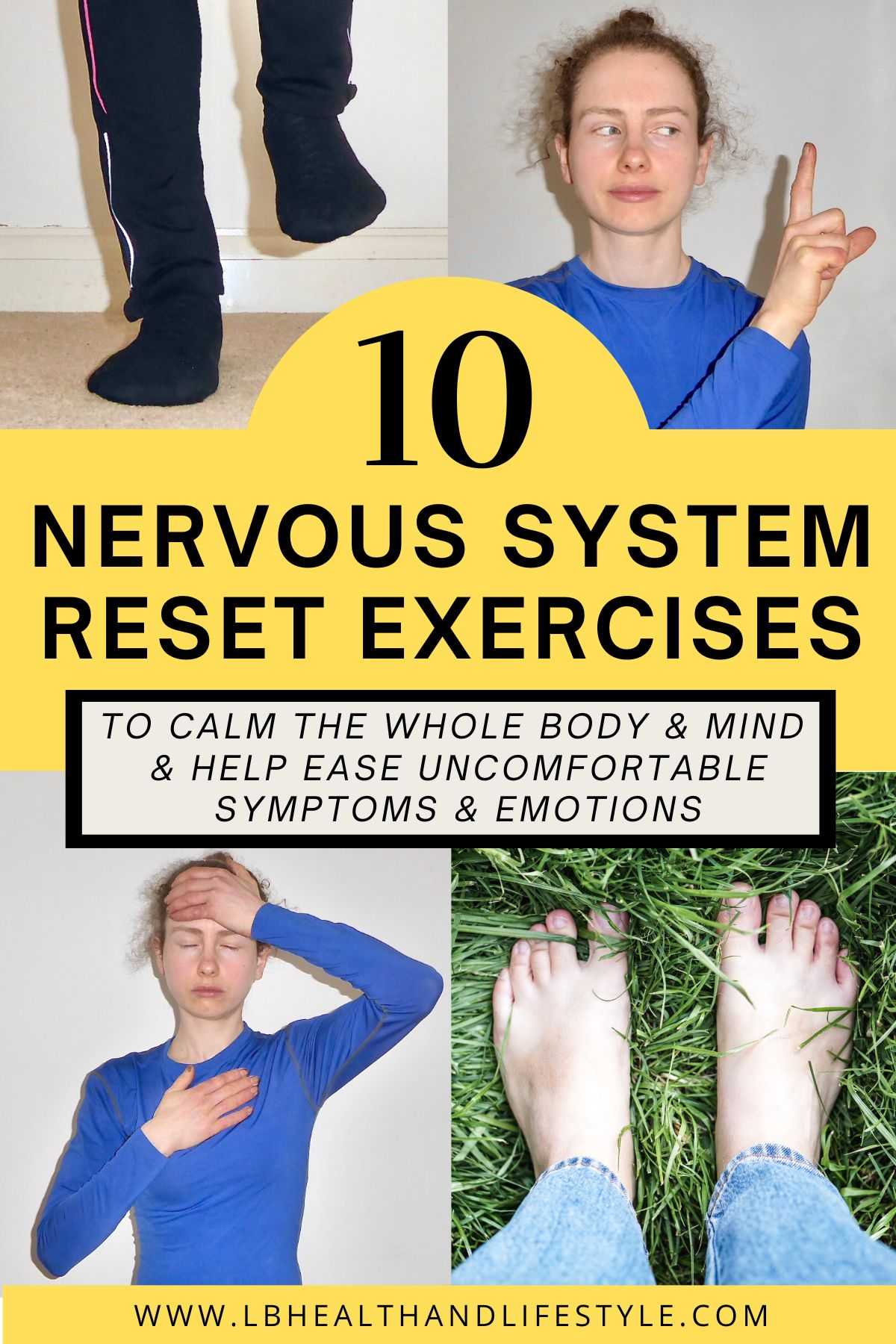
In our hyper-connected world, it’s easy to feel constantly stimulated. Taking regular breaks from screens can give your nervous system a much-needed reset. Try setting aside 30 minutes each day to unplug and engage in a calming activity like reading, journaling, or meditating. This digital detox can reduce stress and improve your overall well-being.
14. Use Aromatherapy

Smells have a powerful impact on your nervous system. Essential oils like lavender, chamomile, or sandalwood can promote relaxation and reduce anxiety. Diffuse them in your home, add a few drops to a warm bath, or apply them to your wrists. Aromatherapy can be a simple yet effective way to create a calming environment and support your nervous system.
15. Try Massage or Epsom Salt Baths

Massage therapy can help reduce stress, improve circulation, and promote relaxation. Epsom salt baths are another excellent option, as the magnesium in the salts can ease muscle tension and support mood. Both practices can help your body transition into a state of rest and recovery, making them valuable tools for nervous system regulation.
16. Explore Cold Plunges

Cold therapy, such as cold showers or ice baths, can stimulate the nervous system and improve resilience. While not for everyone, some people find it invigorating and grounding. Start gradually and listen to your body. If it feels too intense, skip it and try another method instead.
17. Spend Time in Nature

Nature has a calming effect on the nervous system. Whether it’s a walk in the woods, a hike in the mountains, or simply sitting by a lake, being in nature can reduce stress and promote well-being. Forest bathing, or shinrin-yoku, is a Japanese practice that involves immersing yourself in the forest environment to enhance mental and physical health.
18. Meditate Daily
Meditation is one of the most effective ways to regulate your nervous system. It helps you become more aware of your thoughts and emotions, allowing you to respond to stress in a more balanced way. Even just five minutes of meditation each day can make a difference. There are many types of meditation, so experiment to find what works best for you.
19. Journal to Release Past Trauma

Writing about your experiences can help process and release emotional tension. Journaling allows you to explore your thoughts and feelings in a safe space, promoting healing and self-awareness. Consider keeping a daily journal or writing about specific events that trigger stress. This practice can be a powerful tool for nervous system recovery.
20. Build Healthy Relationships
Connection with others is essential for nervous system health. Secure, supportive relationships provide a sense of safety and belonging, which can reduce stress and promote resilience. Spend time with loved ones, seek out community, or consider therapy if needed. Knowing you’re not alone can make a huge difference in how you feel.
21. Set Clear Boundaries

Boundaries are crucial for protecting your energy and well-being. Learn to say no to things that drain you and prioritize your needs. Setting boundaries doesn’t mean being selfish—it means taking care of yourself so you can show up fully in the world. This practice can help reduce overwhelm and promote a sense of control.
22. Heal Your Attachment Style

Your early relationships shape how you relate to others and manage stress. If you’ve experienced trauma or inconsistent caregiving, you may have an insecure attachment style. Healing this through therapy, self-reflection, or co-regulation in safe relationships can help you build a more secure and resilient nervous system.
23. Try Somatic Experiencing

Somatic experiencing is a therapeutic approach that helps release stored trauma from the body. It focuses on bodily sensations and gentle movements to promote healing. This practice can be particularly beneficial for those with a history of trauma or chronic stress. Work with a trained practitioner to explore this method.
24. Explore Internal Family Systems Therapy
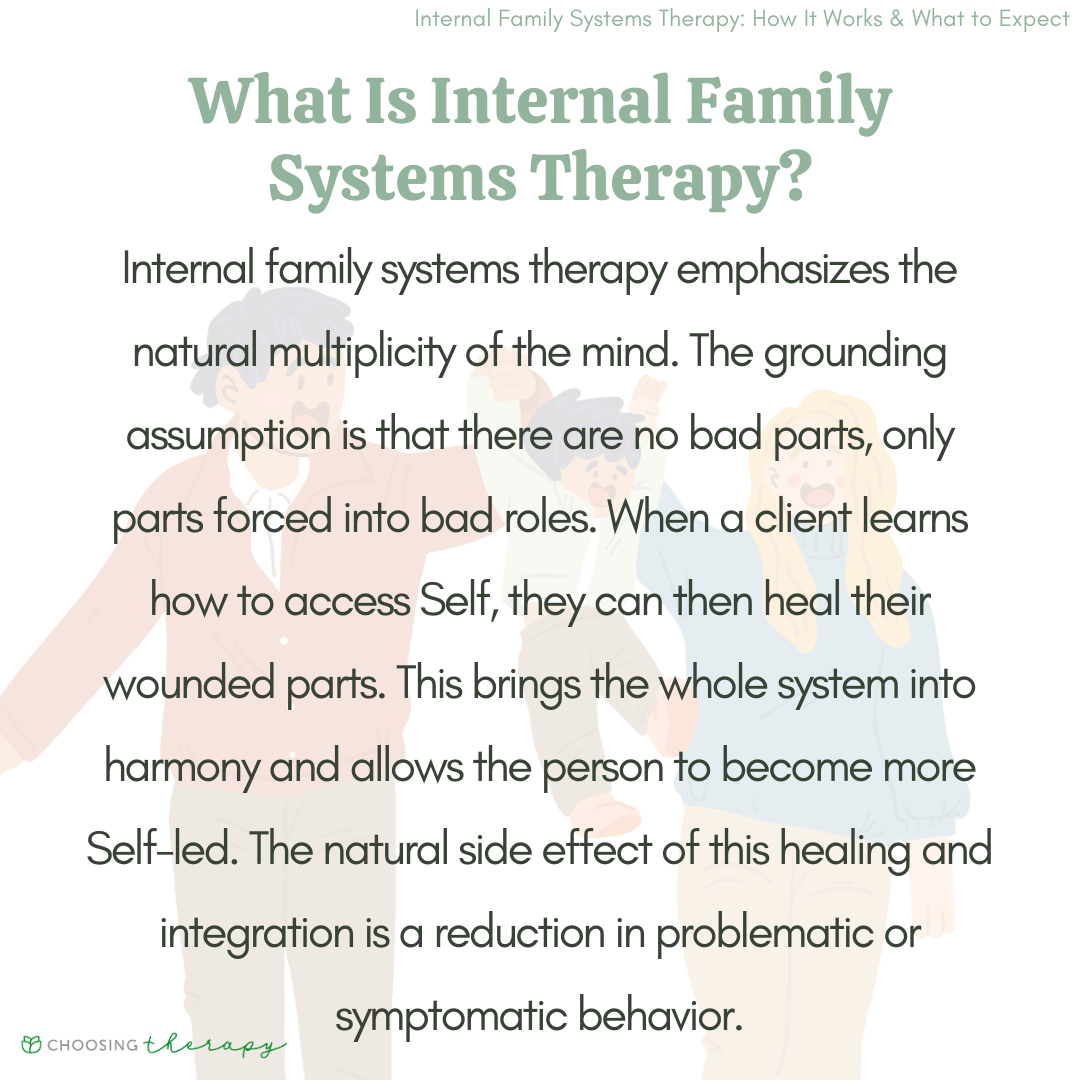
Internal family systems (IFS) is a therapeutic model that helps you understand and heal different parts of yourself. It recognizes that we all have multiple sub-personalities, some of which may be protective or reactive. By learning to communicate with these parts, you can reduce internal conflict and promote emotional regulation.
25. Consider Hypnotherapy

Hypnotherapy uses guided relaxation and suggestion to access a deeper state of consciousness. It can help rewire negative thought patterns and promote relaxation. This practice is often used for anxiety, stress, and trauma. Work with a qualified hypnotherapist to explore its benefits.
26. Try Eye Movement Desensitization and Reprocessing (EMDR)

EMDR is a therapy used to treat trauma by processing distressing memories. It involves eye movements or other forms of bilateral stimulation to help the brain reprocess traumatic experiences. This technique can be highly effective for those struggling with anxiety, depression, or PTSD.
27. Consider Acupuncture

Acupuncture is a traditional Chinese medicine practice that stimulates specific points on the body to promote balance. It can help reduce stress, improve sleep, and support overall well-being. Many people find it to be a gentle and effective way to regulate their nervous system.
28. Use Technology for Nervous System Regulation

There are now devices that use touch and vibration therapy to support nervous system regulation. Tools like the Apollo wearable use subtle vibrations to signal safety and promote relaxation. Heart rate variability (HRV) tracking devices can also help you monitor your nervous system’s response to stress and make adjustments accordingly.
29. Support Your Nervous System with Nutrients

Certain nutrients play a key role in nervous system health. Omega-3 fatty acids, magnesium, B vitamins, GABA, and electrolytes all support brain function and emotional regulation. Incorporate foods rich in these nutrients or consider supplements after consulting with a healthcare professional.
30. Use Adaptogens and Herbs

Adaptogens like ashwagandha, rhodiola, and ginseng can help your body adapt to stress. Herbs like oatstraw and St. John’s Wort also support nervous system health. These natural remedies can be a valuable addition to your wellness routine, but always consult with a professional before starting any new supplement.
31. Practice Fasting

Fasting can be a powerful tool for nervous system regulation. It introduces a mild form of stress that can build resilience over time. However, it’s important to approach fasting carefully, especially if you have a sensitive nervous system. Start with short fasts and listen to your body’s signals.
32. Read Books on Nervous System Health
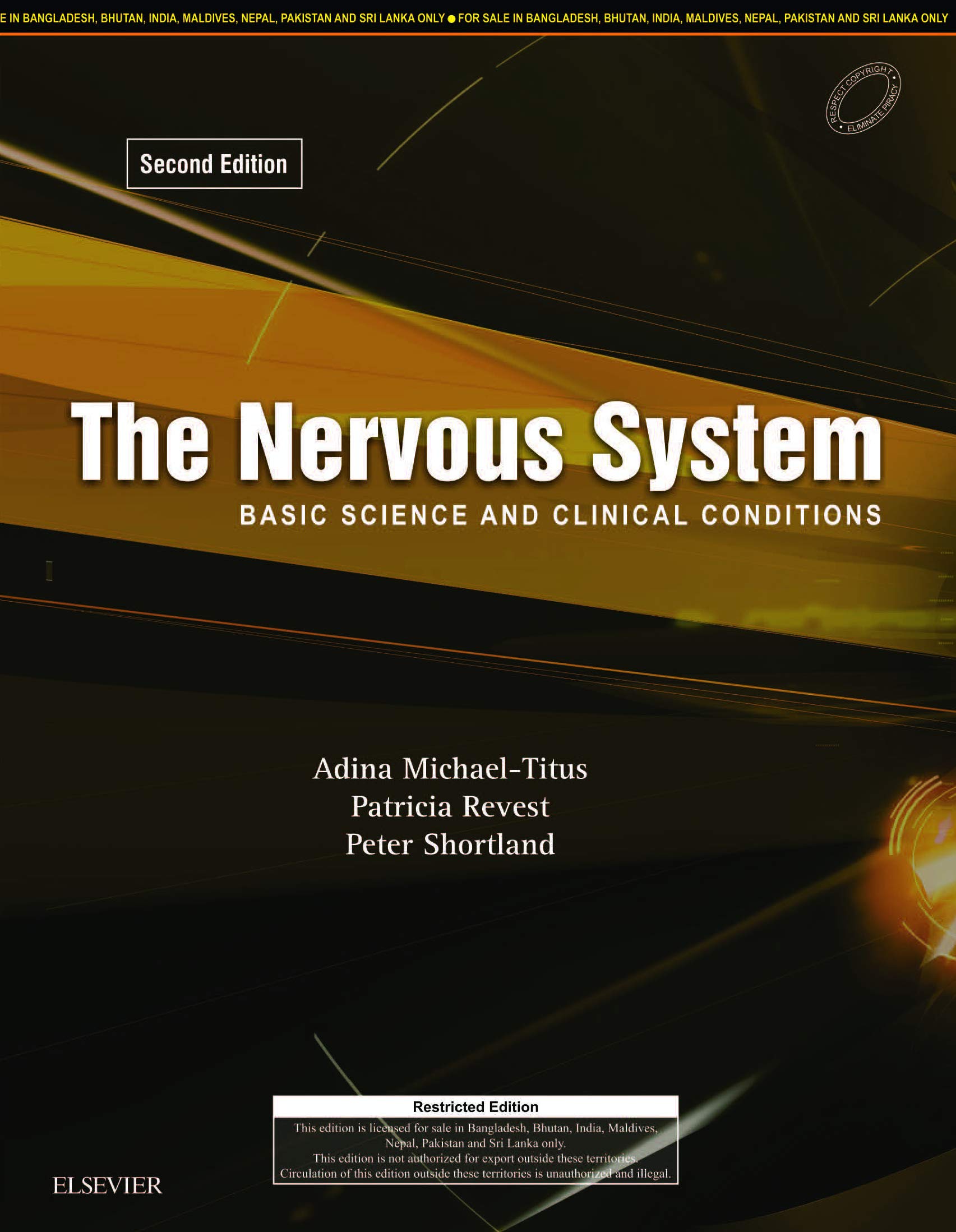
There are many books that offer practical guidance for healing a dysregulated nervous system. Titles like Heal Your Nervous System by Dr. Linnea Passaler and The Relaxation Response by Herbert Benson provide science-backed strategies for managing stress and improving well-being. Reading these resources can deepen your understanding and inspire lasting change.
Conclusion
Supporting your nervous system is not a one-size-fits-all journey. It requires a combination of lifestyle changes, self-awareness, and sometimes professional guidance. By incorporating practices like mindful breathing, movement, nutrition, and connection, you can create a foundation for long-term well-being. Remember, small, consistent actions can lead to significant improvements. As you begin to regulate your nervous system, you’ll likely notice greater calm, clarity, and resilience in your daily life. Take the first step today—your nervous system will thank you.

Post a Comment for "Top Nervous System Support Strategies for Better Health and Well-being"
Post a Comment