Top Nervous System Calming Exercises to Reduce Stress and Improve Well-being
In today’s fast-paced world, stress has become a common companion for many. But what if you could calm your nervous system and reclaim your sense of peace? The good news is that there are practical, science-backed exercises designed specifically to help regulate the nervous system and reduce anxiety. Whether you’re dealing with daily stressors or more persistent feelings of overwhelm, these techniques can be life-changing.
This article will guide you through some of the most effective nervous system calming exercises. You’ll learn how to recognize when your body is in a state of distress, how to bring it back to balance, and how to build long-term resilience against stress. These methods aren’t just about temporary relief—they’re about creating a sustainable path to well-being.
Understanding the Nervous System and Its Response to Stress

Before diving into the exercises, it's essential to understand how your nervous system works. The human nervous system is divided into two main parts: the sympathetic nervous system and the parasympathetic nervous system. The sympathetic nervous system is responsible for the “fight-or-flight” response, which kicks in during times of stress. On the other hand, the parasympathetic nervous system helps your body return to a state of calm, often referred to as the “rest-and-digest” mode.
When we experience chronic stress, our bodies can get stuck in a heightened state of alertness, making it difficult to relax. This can lead to symptoms like anxiety, insomnia, and even physical discomfort. The key to managing this is learning how to activate the parasympathetic nervous system through specific practices.
One of the most important nerves involved in this process is the vagus nerve. It acts as a communication highway between the brain and various organs, playing a crucial role in regulating heart rate, digestion, and mood. A well-functioning vagus nerve helps us feel safe and grounded, while low vagal tone can leave us feeling anxious or overwhelmed.
10 Powerful Nervous System Calming Exercises

If you're looking for ways to calm your nervous system, here are ten highly effective exercises that can help you achieve a state of relaxation and mental clarity.
1. Deep Diaphragmatic Breathing
Deep breathing is one of the simplest and most effective ways to calm your nervous system. When you take slow, deep breaths, you activate the parasympathetic nervous system, signaling to your body that it's time to relax.
How to do it: Lie on your back and place one hand on your belly, the other on your chest. Breathe in slowly through your nose, letting your belly rise while keeping your chest still. Exhale slowly through your mouth, allowing your belly to fall. Make sure your exhale is longer than your inhale.
Best for: Daily stress management and immediate anxiety relief.
2. Cold-Water Face Immersion

Dipping your face in cold water triggers the diving reflex, which slows your heart rate and stimulates the vagus nerve. This technique is particularly useful during panic attacks.
How to do it: Splash cold water on your face or press a cool washcloth to your face for 30 seconds. You don’t need to submerge your entire head—just a quick splash can do the trick.
Best for: Panic attack relief.
3. Humming and Singing
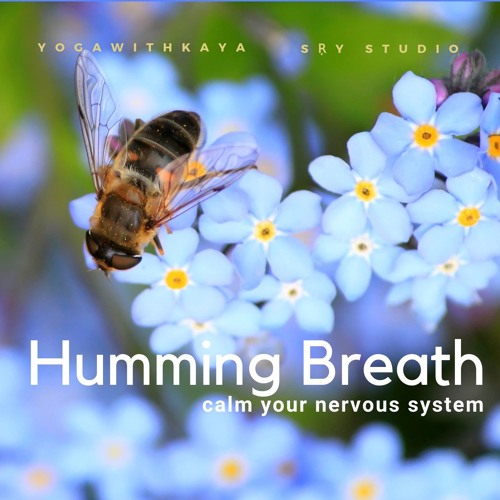
Humming or singing creates vibrations that stimulate the vagus nerve, helping you feel more grounded and relaxed. It also has a soothing effect on the mind.
How to do it: Hum for five to ten minutes, focusing on the vibrations in your chest and body. Use a low pitch that you can feel vibrating throughout your body.
Best for: Daily stress management.
4. 4-7-8 Breathing

The 4-7-8 breathing technique is a structured way to stimulate the vagus nerve and bring your nervous system into a more regulated state.
How to do it: Inhale for four seconds, hold your breath for seven seconds, then exhale for eight seconds. The longer exhale is what activates the calming effect.
Best for: Daily practice to build vagal tone.
5. OM Chanting
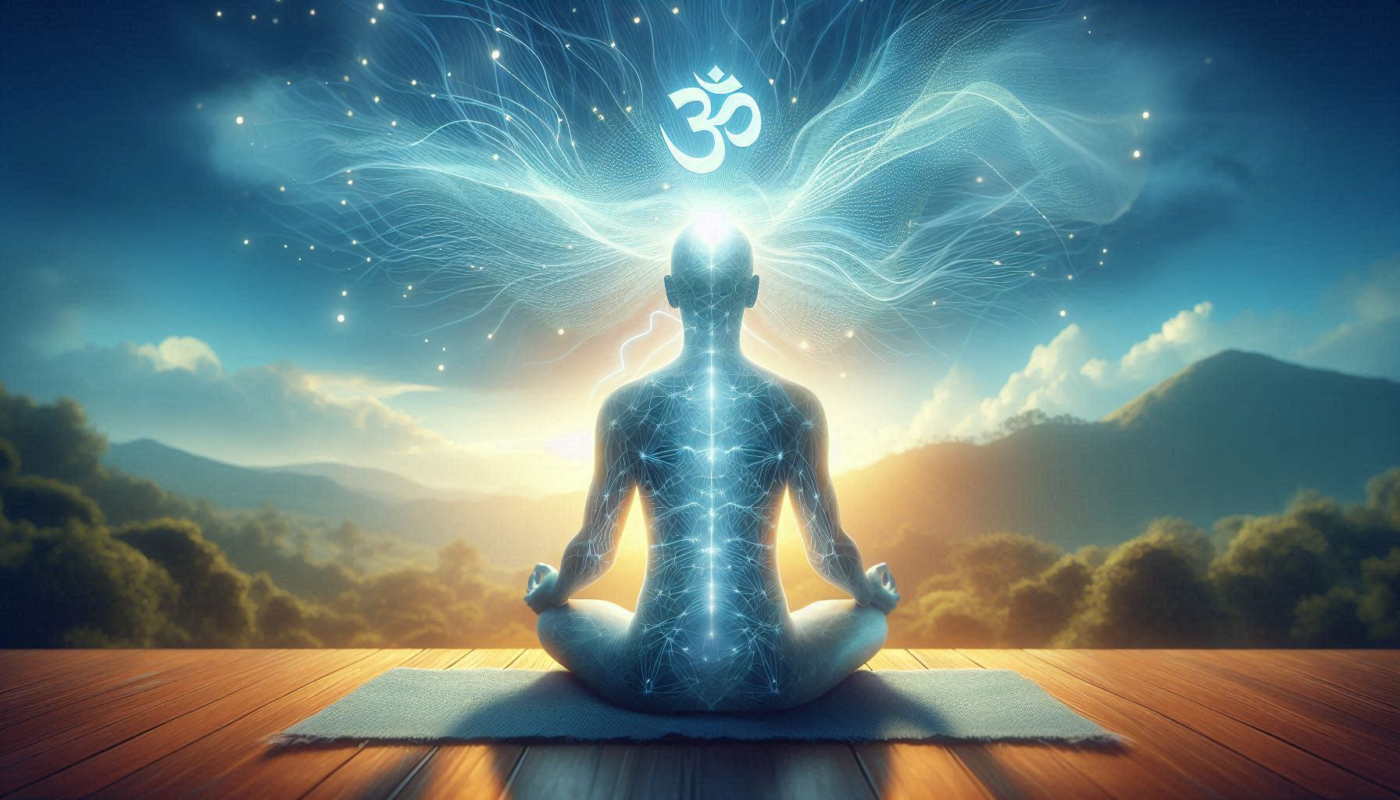
Chanting OM is similar to humming and can be an effective way to stimulate the vagus nerve. It’s often used in yoga practices to promote relaxation.
How to do it: Inhale deeply through your nose, then chant “ohmmmmm” on the exhale. Focus on the vibrations in your chest and body.
Best for: Daily nervous system regulation.
6. Orienting to Safety

This technique involves pausing to look around your environment and focusing on things that make you feel safe. It helps shift your nervous system from threat detection to safety recognition.
How to do it: Look around the room and focus on objects that feel comforting, such as pictures, books, or a favorite mug. Engage your senses by noticing what you see, hear, smell, or feel.
Best for: Immediate anxiety relief.
7. Side Eye Movement

Moving your eyes side to side can help reset your vagus nerve and activate your parasympathetic nervous system.
How to do it: Hold your gaze to the right for five seconds, then to the left for five seconds. Repeat as needed.
Best for: Immediate relief during stressful moments.
8. Gentle Massage
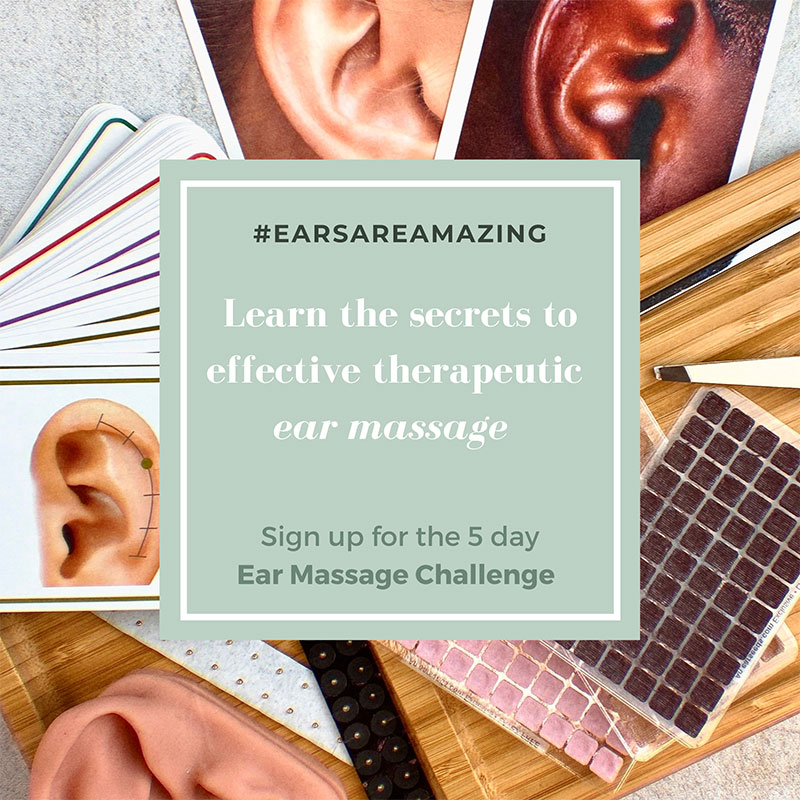
Massaging the area around your ears can stimulate the vagus nerve and promote relaxation. This technique is especially effective for building long-term resilience.
How to do it: Gently massage the hollow in the upper part of your ear (called the cymba concha) for about a minute using light pressure and circular motions.
Best for: Daily relaxation and long-term resilience.
9. Moderate Exercise
Physical activity stimulates the vagus nerve, helping to activate your parasympathetic nervous system. Aim for consistent exercise that you enjoy, such as walking, biking, or yoga.
How to do it: Follow the CDC’s guidelines for physical activity: 150 minutes of moderate cardio or 75 minutes of vigorous cardio per week, plus two strength training sessions.
Best for: Long-term anxiety resilience and overall mental health.
10. Controlled Laughter

Laughter naturally engages the muscles and breath patterns that stimulate the vagus nerve. Even intentional laughter can have a calming effect.
How to do it: Watch a funny video or show and allow yourself to laugh fully. Choose content that makes you genuinely laugh rather than just smile.
Best for: Immediate anxiety relief and daily mood support.
Conclusion
Calming your nervous system doesn’t have to be complicated. With the right tools and techniques, you can learn to manage stress, reduce anxiety, and improve your overall well-being. Whether it’s through deep breathing, humming, or gentle massage, there are numerous ways to activate your parasympathetic nervous system and create a sense of safety and calm.
Remember, the goal isn’t to eliminate stress entirely—it’s to build resilience so that you can navigate life’s challenges with greater ease. By incorporating these exercises into your daily routine, you’ll not only feel better in the moment but also develop a stronger, more balanced nervous system over time.
Take the first step today, and you’ll be on your way to a calmer, more peaceful you.

Post a Comment for "Top Nervous System Calming Exercises to Reduce Stress and Improve Well-being"
Post a Comment