Natural Ways to Manage Glucose Levels Effectively
Maintaining stable glucose levels is crucial for overall health, especially in today’s fast-paced world where processed foods and sedentary lifestyles are common. Whether you're managing prediabetes, type 2 diabetes, or simply looking to improve your well-being, natural methods can play a significant role in keeping your blood sugar in check. This article will explore science-backed strategies that help regulate glucose without relying solely on medication.
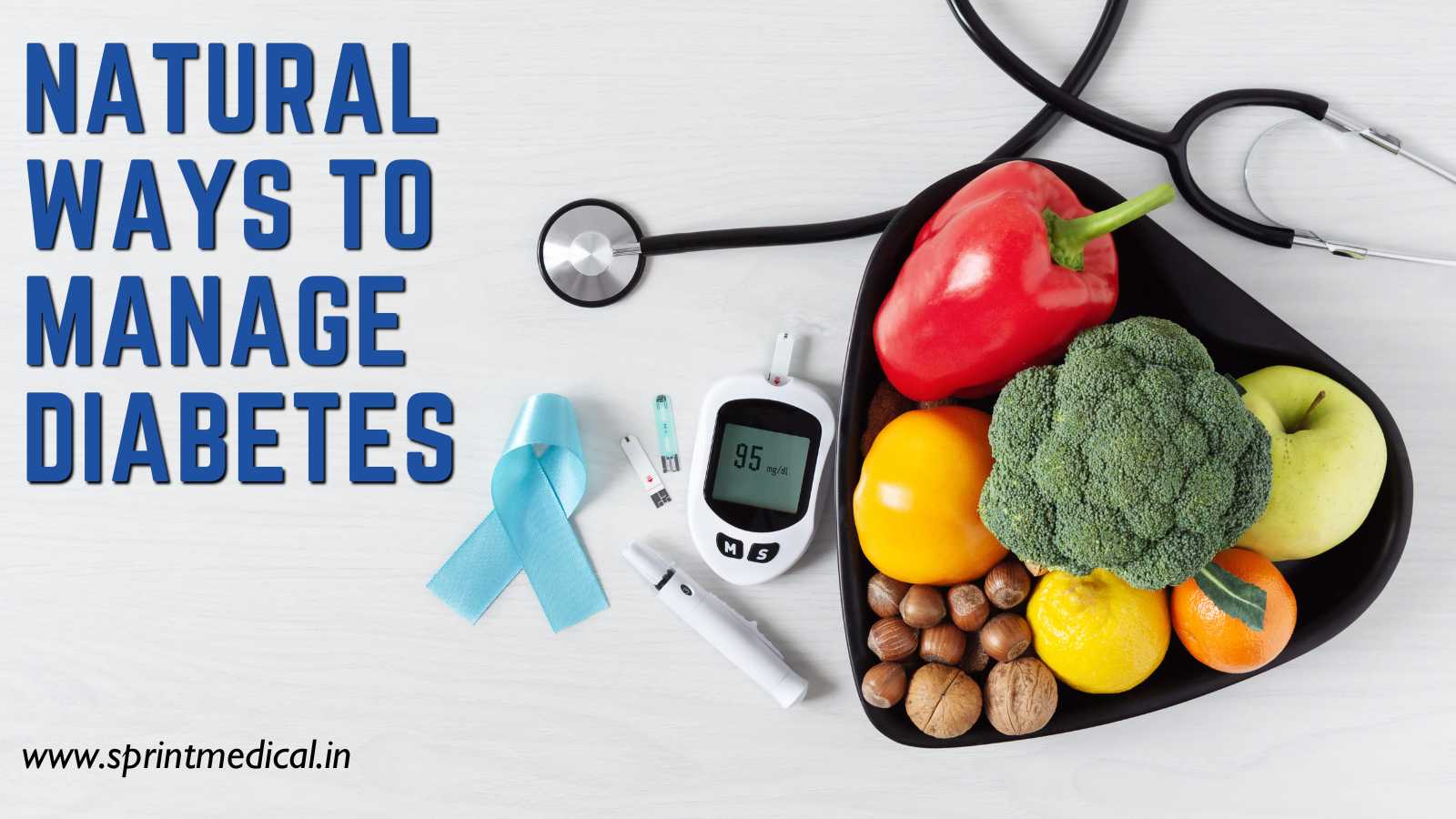
The Importance of Fiber in Blood Sugar Control

Fiber is one of the most effective natural tools for managing glucose levels. There are two types of fiber—soluble and insoluble. Soluble fiber, which dissolves in water, is particularly beneficial for blood sugar control because it slows down the absorption of sugar into the bloodstream. This prevents rapid spikes in glucose and helps maintain steady energy levels throughout the day.
Foods rich in soluble fiber include:
- Oats
- Chia seeds
- Flaxseeds
- Beans and lentils
- Fruits like apples and berries
In addition to regulating blood sugar, fiber also supports digestive health, promotes satiety, and may reduce the risk of heart disease. Incorporating more high-fiber foods into your diet can be a simple yet powerful step toward better glucose management.
The Role of Physical Activity in Glucose Regulation

Exercise is another cornerstone of natural glucose management. Physical activity helps your muscles use glucose for energy, which lowers blood sugar levels. It also improves insulin sensitivity, making your body more efficient at using the hormone that transports glucose into cells.
The American Heart Association recommends at least 150 minutes of moderate-intensity exercise per week, such as brisk walking, cycling, or swimming. Even short bursts of activity, like a 10-minute walk after meals, can have a positive impact on glucose control.
It's important to monitor your blood sugar before, during, and after exercise, especially if you're on diabetes medication. If you experience symptoms of low blood sugar, such as dizziness or weakness, stop exercising and seek medical advice.
The Power of Hydration in Blood Sugar Control

Staying properly hydrated is often overlooked but plays a vital role in maintaining stable glucose levels. Dehydration can cause your blood to become more concentrated, leading to higher blood sugar readings. Drinking enough water helps flush out excess glucose through urine and keeps your body functioning optimally.
Aim for at least four to six cups of water daily, and increase your intake on hot days or after workouts. Avoid sugary drinks like soda and fruit juice, as they can cause rapid spikes in blood sugar. Instead, opt for plain water or herbal teas.
The Impact of Sleep on Blood Sugar Levels

Sleep is another critical factor in glucose regulation. Poor sleep or insufficient rest can disrupt the hormones that control blood sugar, leading to increased insulin resistance. Studies show that even a single night of poor sleep can negatively affect your body's ability to process glucose.
To support healthy blood sugar levels, aim for 7–9 hours of quality sleep each night. Create a calming bedtime routine by avoiding screens before bed, keeping your bedroom dark and cool, and limiting caffeine intake in the afternoon.
Managing Stress for Better Glucose Control

Chronic stress can elevate cortisol levels, a hormone that increases blood sugar. Over time, this can lead to insulin resistance and make it harder to manage glucose levels. Finding healthy ways to manage stress is essential for maintaining balance.
Simple stress-reduction techniques include:
- Deep breathing exercises
- Meditation or mindfulness practices
- Yoga
- Spending time in nature
- Engaging in hobbies or creative activities
These practices not only help lower stress but also support overall well-being and better glucose control.
The Benefits of a Balanced Diet
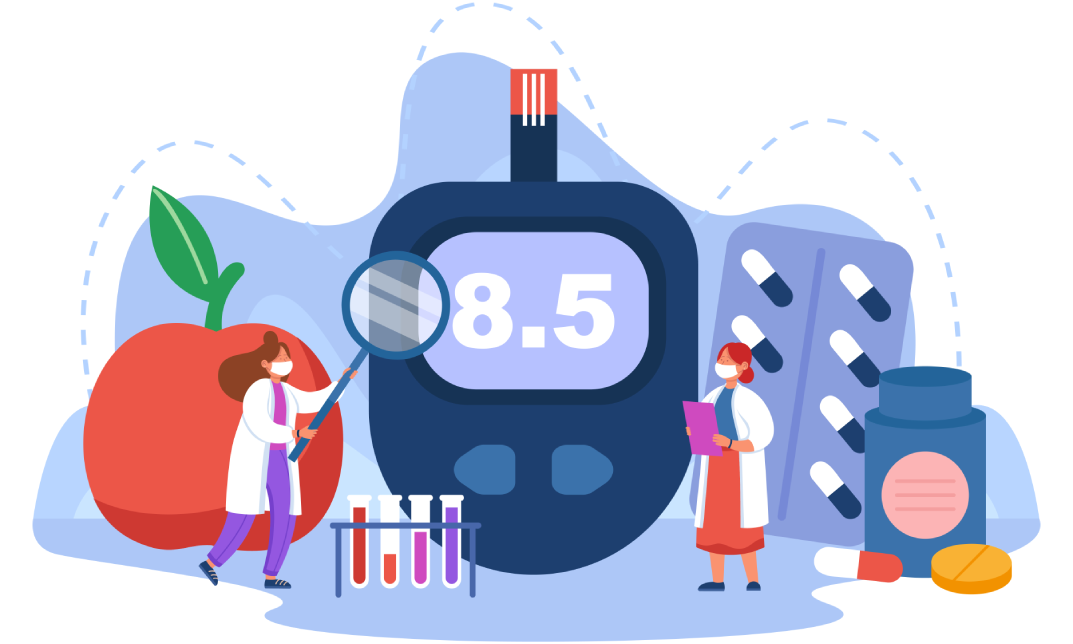
What you eat has a direct impact on your blood sugar levels. A balanced diet that includes complex carbohydrates, lean proteins, and healthy fats can help stabilize glucose and prevent spikes.
Focus on incorporating the following into your meals:
- Low-Glycemic Foods: Choose foods with a low glycemic index (GI), such as leafy greens, legumes, and whole grains. These release energy slowly and help maintain steady blood sugar levels.
- Protein-Rich Foods: Include sources like eggs, chicken, fish, tofu, and Greek yogurt. Protein helps slow down the absorption of sugar and keeps you full longer.
- Healthy Fats: Add avocados, nuts, seeds, and olive oil to your meals. These fats support heart health and reduce the overall glycemic impact of your food.
Avoid refined sugars and processed foods, which can cause rapid spikes in glucose. Instead, opt for whole, unprocessed foods that provide sustained energy.
Natural Supplements That Support Blood Sugar Control

While lifestyle changes are the foundation of glucose management, some natural supplements may offer additional support. However, it's important to consult with a healthcare provider before starting any new supplement, as they can interact with medications or have side effects.
Some supplements that may help include:
- Cinnamon: May improve insulin sensitivity and lower fasting blood sugar levels.
- Berberine: A compound found in certain plants that can mimic the effects of diabetes medication.
- Fenugreek: Contains soluble fiber that may slow carbohydrate absorption and reduce blood sugar spikes.
- Apple Cider Vinegar: May help lower post-meal blood sugar levels when diluted in water.
- Chromium and Magnesium: Essential minerals that support glucose metabolism and insulin function.
Always choose high-quality supplements from reputable sources and follow recommended dosages.
Conclusion: A Natural Path to Better Blood Sugar
Managing glucose levels naturally is entirely possible with the right combination of diet, exercise, sleep, and stress management. While medication may still be necessary for some individuals, these lifestyle strategies can significantly improve blood sugar control and reduce the risk of complications.
By making small, consistent changes—such as increasing fiber intake, staying active, prioritizing sleep, and managing stress—you can take control of your health and enjoy greater energy, stability, and well-being. Remember, every step you take toward a healthier lifestyle brings you closer to long-term glucose balance and overall vitality.

Post a Comment for "Natural Ways to Manage Glucose Levels Effectively"
Post a Comment