How to Improve Nervous System Regulation Through Simple Exercises
In today’s fast-paced world, stress has become an almost inevitable part of life. Whether it's work deadlines, family responsibilities, or personal challenges, the constant pressure can take a toll on your mental and physical well-being. But what if you could learn to regulate your nervous system more effectively? By understanding how your body responds to stress and using simple exercises to support your autonomic nervous system, you can regain control over your emotions, improve your focus, and enhance your overall quality of life.
This article will explore practical techniques for improving nervous system regulation through daily exercises. You’ll discover how to activate your parasympathetic nervous system, reduce anxiety, and create a more balanced emotional state. Whether you're dealing with chronic stress or simply looking for ways to feel calmer throughout the day, these strategies are designed to be accessible, effective, and easy to integrate into your routine.
Understanding the Nervous System: The Key to Regulation

Your nervous system is like a complex network that controls everything from your heartbeat to your digestion. At its core, the autonomic nervous system (ANS) plays a crucial role in regulating your body’s responses to stress. It has two main branches:
- Sympathetic Nervous System (SNS): Often referred to as the “fight or flight” response, this system activates when you’re under stress. It increases heart rate, dilates pupils, and prepares your body to react quickly.
- Parasympathetic Nervous System (PNS): Known as the “rest and digest” system, this branch helps your body recover after stress. It slows your heart rate, promotes digestion, and encourages relaxation.
The vagus nerve, which runs from your brainstem down to your gut, is a key player in the PNS. It acts as a communication highway between your brain and internal organs, influencing everything from your mood to your immune function. When your vagus nerve is functioning well, you feel calm, focused, and grounded. But when it’s underactive—often due to chronic stress—you may experience anxiety, fatigue, or difficulty relaxing.
12 Simple Exercises to Improve Nervous System Regulation

There are several science-backed techniques that can help stimulate your vagus nerve and promote better nervous system regulation. Here are 12 exercises that you can try today:
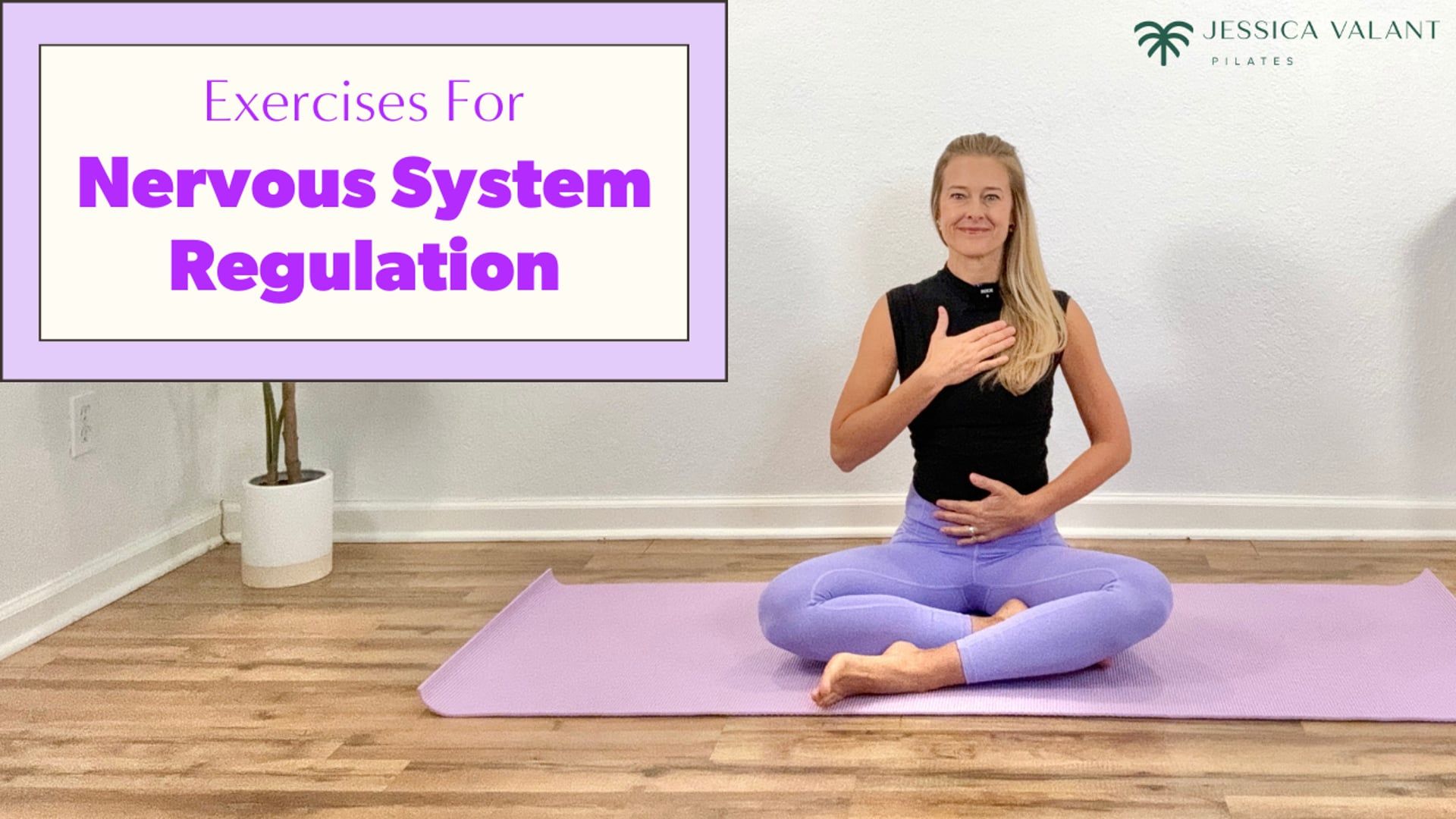
1. Deep Diaphragmatic Breathing
Breathing is one of the most powerful tools for calming your nervous system. Diaphragmatic breathing involves taking slow, deep breaths that engage your diaphragm rather than your chest. This type of breathing activates the vagus nerve, signaling your body to relax.
How to do it:
- Lie on your back and place one hand on your belly, the other on your chest.
- Inhale slowly through your nose, letting your belly rise while your chest stays still.
- Exhale slowly through your mouth, allowing your belly to fall.
Best for: Daily stress management and immediate anxiety relief.
2. Cold-Water Face Immersion

A quick splash of cold water on your face can trigger the diving reflex, which slows your heart rate and stimulates the vagus nerve. This technique is especially useful during panic attacks or moments of intense stress.
How to do it:
- Submerge your face in cold water for 5–35 seconds, or use a cold washcloth.
- Focus on your breath and let the cool sensation help you feel grounded.
Best for: Panic attack relief.
3. Humming and Singing
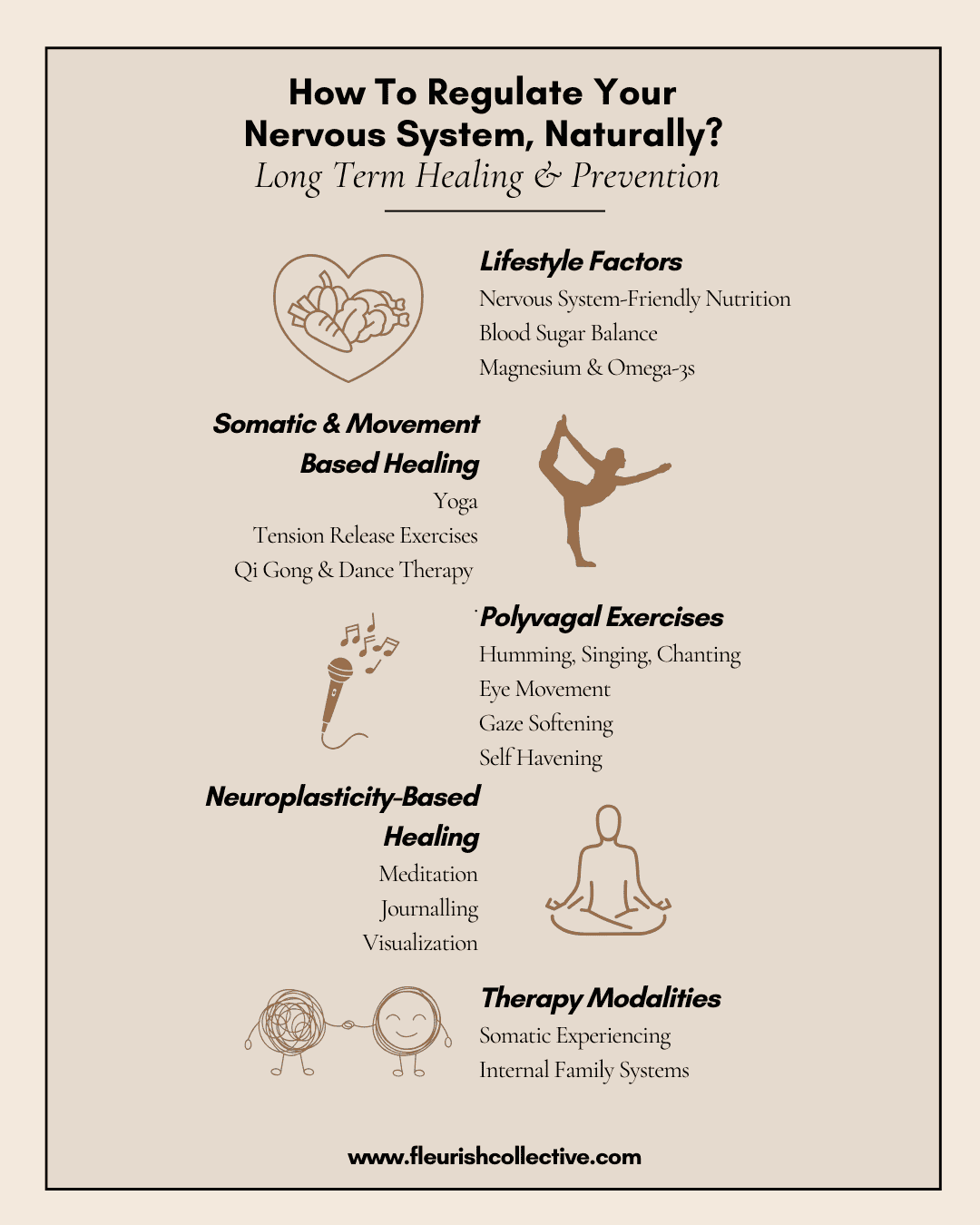
Humming creates vibrations that stimulate the vagus nerve, helping you feel more relaxed. It also activates the parasympathetic nervous system, promoting a sense of safety and calm.
How to do it:
- Hum softly for 5–10 minutes, focusing on the vibrations in your chest and head.
- Use a low pitch to maximize the effect.
Best for: Daily stress management.
4. 4-7-8 Breathing
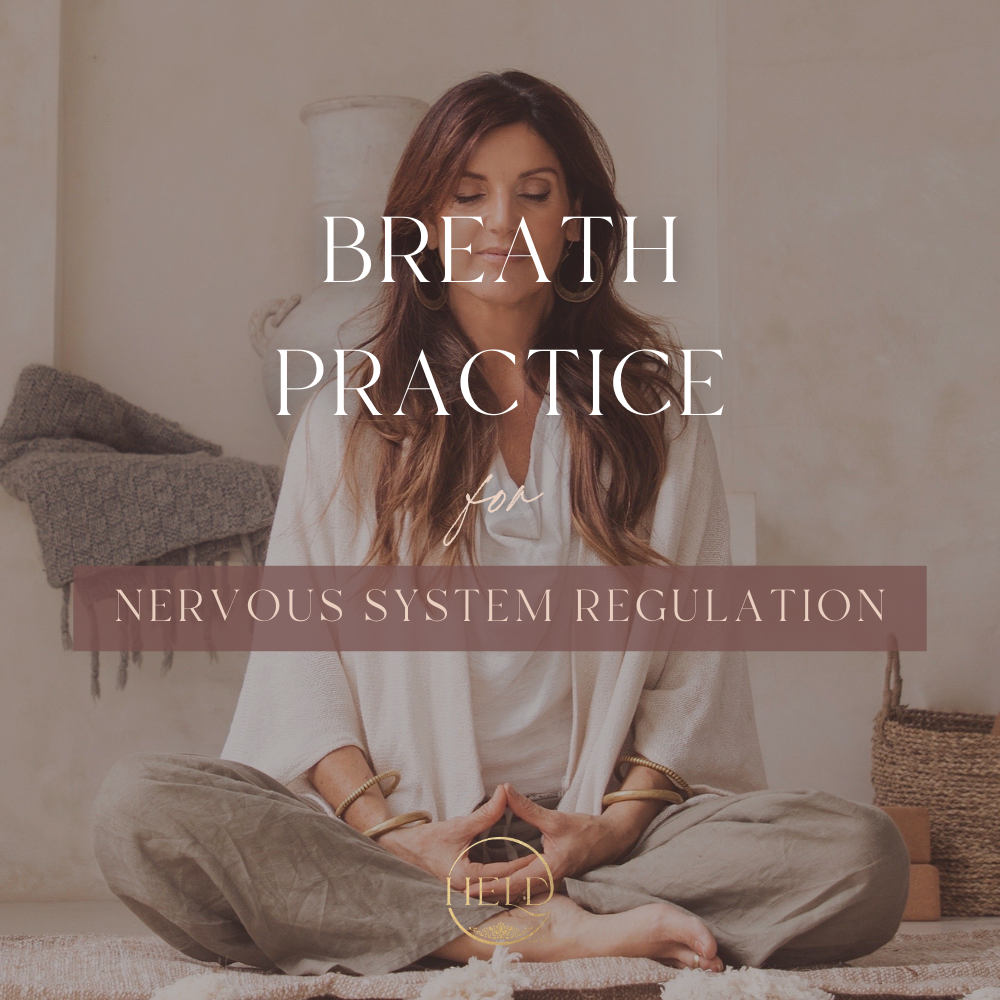
This breathing technique involves inhaling for 4 seconds, holding your breath for 7 seconds, and exhaling for 8 seconds. The longer exhale helps activate the vagus nerve and bring your nervous system into a more regulated state.
How to do it:
- Breathe in through your nose for 4 seconds.
- Hold for 7 seconds.
- Exhale through your mouth for 8 seconds.
Best for: Daily practice to build vagal tone.
5. OM Chanting
Chanting "OM" creates low-frequency vibrations that stimulate the vagus nerve and promote a sense of peace. It’s often used in yoga and meditation practices to enhance relaxation.
How to do it:
- Inhale deeply, then chant "OM" for 3–5 minutes.
- Focus on the vibration in your chest and head.
Best for: Daily nervous system regulation, often paired with yoga.
6. Orienting to Safety

This technique involves pausing to observe your surroundings and identifying safe, comforting elements. It helps shift your nervous system from a state of threat detection to one of safety and calm.
How to do it:
- Look around the room and notice things that make you feel safe (e.g., a favorite mug, a plant).
- Focus on your senses—what you see, hear, smell, or touch.
Best for: Immediate anxiety relief.
7. Side Eye Movement

Gently moving your eyes side to side can stimulate the vagus nerve by engaging the cranial nerves responsible for eye movement. This technique is particularly helpful when you feel overwhelmed.
How to do it:
- Look to your right for 5 seconds, then to your left for 5 seconds.
- Repeat as needed.
Best for: Immediate relief during stressful moments.
8. Gentle Massage

Massaging specific areas of the body, such as the ears or neck, can stimulate the vagus nerve and promote relaxation. A 2020 study found that ear massage significantly improved parasympathetic activity.
How to do it:
- Gently massage the hollow area of your upper ear (cymba concha) for 1 minute.
- Use light pressure and circular motions.
Best for: Long-term resilience and daily relaxation.
9. Moderate Exercise

Physical activity, especially consistent exercise, supports vagus nerve function by increasing heart rate variability and reducing stress hormones. Aim for at least 150 minutes of moderate exercise per week.
How to do it:
- Choose activities you enjoy, such as walking, cycling, or swimming.
- Incorporate strength training twice a week.
Best for: Long-term anxiety resilience and overall mental health.
10. Safe Place Guided Meditation

Guided meditation focused on a peaceful, safe environment can help reduce cortisol levels and activate the vagus nerve. It’s a great way to prepare for stressful situations or wind down at the end of the day.
How to do it:
- Find a quiet space and sit comfortably.
- Use a guided meditation app or video to visualize a safe, calming place.
Best for: Preparing for stressful situations and building daily resilience.
11. Yoga (Twists & Forward Folds)

Yoga, especially gentle styles like yin yoga, helps activate the vagus nerve through slow, sustained poses and mindful breathing. Twists and forward folds are particularly effective for stimulating the parasympathetic nervous system.
How to do it:
- Try a yin yoga class or follow online videos.
- Focus on poses that involve twisting or folding forward.
Best for: Daily or weekly nervous system regulation and stress relief.
12. Controlled Laughter

Laughter triggers rhythmic breathing and diaphragmatic movement, both of which stimulate the vagus nerve. Even intentional laughter can help reduce stress and promote relaxation.
How to do it:
- Watch a funny video or show and allow yourself to laugh freely.
- Focus on deep belly laughs that engage your diaphragm.
Best for: Immediate anxiety relief and daily mood support.
Building a Proactive Nervous System Regulation Routine
Improving nervous system regulation isn’t about eliminating stress—it’s about learning to respond to it in a healthier way. By incorporating these exercises into your daily routine, you can train your body to return to a calm, regulated state more quickly. Remember, consistency is key. The more you practice, the stronger your vagus nerve becomes, leading to greater emotional resilience and overall well-being.
Start small. Choose one or two exercises that resonate with you and commit to practicing them regularly. Over time, you’ll notice a difference—not just in how you feel during stressful moments, but in your overall sense of balance and control. With patience and persistence, you can take charge of your nervous system and live a calmer, more centered life.

Post a Comment for "How to Improve Nervous System Regulation Through Simple Exercises"
Post a Comment