How Neurofeedback Can Improve Cognitive Function: A Comprehensive Guide
Are you looking for a natural, non-invasive way to boost your brainpower? Neurofeedback might be the answer. This innovative technique is gaining popularity as a tool for enhancing cognitive function, improving memory, and even supporting mental health. Whether you're an older adult concerned about cognitive decline or someone seeking to sharpen your focus and mental clarity, neurofeedback offers promising possibilities. In this article, we’ll explore how neurofeedback works, its benefits for cognitive health, and real-world applications that make it a valuable addition to your wellness routine.
What Is Neurofeedback?
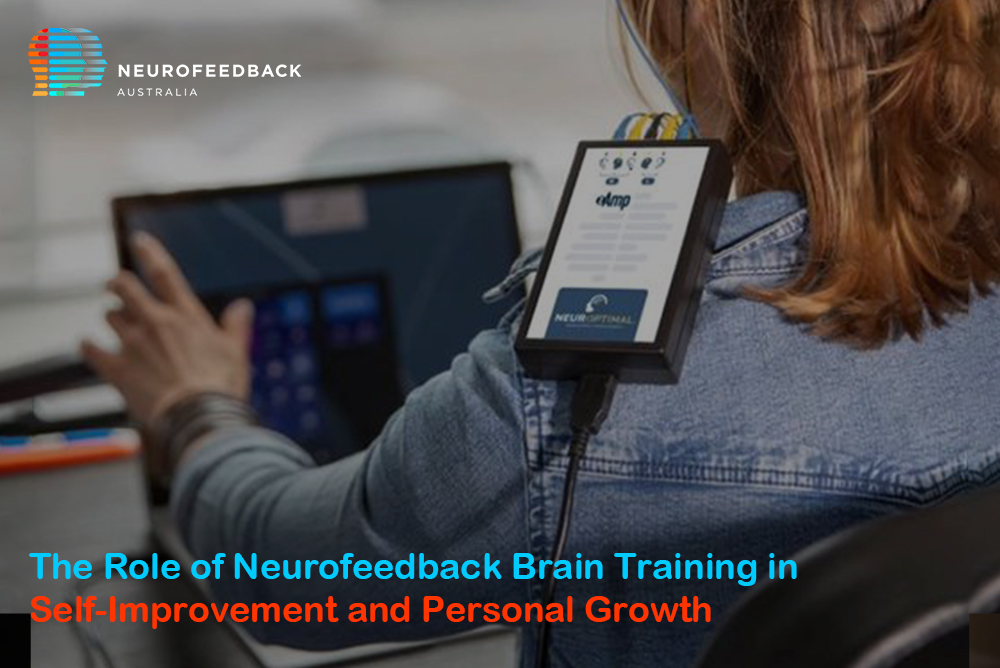
Neurofeedback, also known as EEG biofeedback, is a type of brain training that uses real-time feedback to help individuals regulate their brain activity. By monitoring brainwave patterns through electrodes placed on the scalp, neurofeedback systems provide visual or auditory cues that guide users in adjusting their mental states. This process helps improve cognitive functions such as attention, memory, and processing speed.
The goal of neurofeedback is to teach the brain to self-regulate more effectively. For example, if someone struggles with focus, the system can help them learn to increase certain brainwave frequencies associated with concentration. Over time, this training can lead to lasting improvements in cognitive performance.
How Neurofeedback Works
The neurofeedback process typically involves three key steps:
- Assessment: A baseline brainwave analysis is conducted to identify patterns linked to cognitive function. This helps tailor the training to the individual’s specific needs.
- Training Sessions: During these sessions, the user receives real-time feedback on their brain activity. For instance, they might watch a video or play a game while the system monitors their brainwaves and adjusts the stimuli based on their performance.
- Progress and Adjustment: As the brain learns to regulate itself, the training becomes more effective. Over time, users often experience noticeable improvements in focus, memory, and overall mental clarity.
This method leverages the brain’s ability to adapt and change—a concept known as neuroplasticity. By repeatedly practicing self-regulation, the brain can develop new neural pathways that support better cognitive function.
The Science Behind Neurofeedback
Neurofeedback is rooted in neuroscience and has been studied extensively for its potential to enhance cognitive abilities. One of the most researched brainwave frequencies in this context is the alpha band (8-12 Hz), which is associated with relaxation, focus, and memory consolidation.
Research has shown that increasing alpha wave activity through neurofeedback can lead to significant improvements in working memory, attention, and processing speed. For example, studies have found that participants who underwent neurofeedback training demonstrated better performance on tasks requiring sustained attention and information retention.
Moreover, neurofeedback has been used to address conditions like ADHD, depression, and mild cognitive impairment. By helping the brain regulate itself more efficiently, neurofeedback can reduce symptoms and improve quality of life.
Benefits of Neurofeedback for Cognitive Health
The benefits of neurofeedback extend beyond just improving memory or focus. Here are some of the key advantages:
- Enhanced Memory Performance: Studies have shown that neurofeedback can improve both short-term and long-term memory. This is particularly beneficial for older adults looking to maintain cognitive sharpness.
- Improved Attention and Focus: Neurofeedback helps train the brain to stay focused, making it a valuable tool for students, professionals, and anyone dealing with distractions.
- Increased Processing Speed: By optimizing brainwave activity, neurofeedback can help individuals process information faster and more efficiently.
- Stress Reduction: The technique promotes relaxation and can help manage stress, which is closely linked to cognitive performance.
- Non-Invasive and Safe: Unlike medication, neurofeedback has no side effects and is considered a safe, drug-free approach to cognitive enhancement.
These benefits make neurofeedback an attractive option for those seeking to improve their mental well-being without relying on pharmaceuticals.
Real-World Applications of Neurofeedback
Neurofeedback isn’t just a laboratory tool—it’s being used in real-world settings to support cognitive health. Here are some examples:
- Home-Based Training: Devices like Thinkie allow users to train their brains at home, offering flexibility and convenience. This makes neurofeedback accessible to a wider audience.
- Senior Living Communities: Many senior living facilities have incorporated neurofeedback into their wellness programs. These sessions help residents maintain cognitive function and independence.
- Academic and Professional Settings: Students and professionals use neurofeedback to improve focus, reduce burnout, and enhance productivity.
- Mental Health Support: Neurofeedback is increasingly used as a complementary therapy for conditions like anxiety, depression, and PTSD.
By integrating neurofeedback into daily routines, individuals can take proactive steps toward maintaining and improving their cognitive health.
The Future of Neurofeedback
As research continues to evolve, the potential of neurofeedback is expanding. Scientists are exploring its role in preventing cognitive decline, managing neurological disorders, and even enhancing creativity and problem-solving skills.
One area of growing interest is the use of advanced technologies like brain-computer interfaces (BCIs) to refine neurofeedback techniques. These innovations promise to make training more personalized and effective, tailoring the experience to each individual’s unique brain patterns.
While more studies are needed to fully understand the long-term effects of neurofeedback, current evidence suggests that it can be a powerful tool for cognitive enhancement. As the field advances, we may see even more applications and benefits emerge.
Conclusion
Neurofeedback offers a promising, non-invasive way to improve cognitive function and support mental health. By leveraging the brain’s natural ability to adapt, this technique can enhance memory, focus, and overall mental clarity. Whether you're an older adult looking to maintain cognitive sharpness or someone seeking to boost productivity, neurofeedback provides a valuable tool for achieving your goals.
As research continues to uncover new insights, neurofeedback is likely to become an even more integral part of cognitive wellness strategies. If you’re interested in exploring this innovative approach, consider consulting a qualified professional to begin your journey toward a sharper, more focused mind.

Post a Comment for "How Neurofeedback Can Improve Cognitive Function: A Comprehensive Guide"
Post a Comment