Effective Nervous System Regulation Techniques for Better Mental and Physical Health
In today’s fast-paced world, stress, anxiety, and emotional instability have become common challenges. The nervous system, which acts as the bridge between our body and mind, plays a critical role in how we respond to these pressures. When it's out of balance, it can lead to chronic stress, sleep disturbances, and even physical health issues. However, there are effective techniques to regulate the nervous system—practices that help you feel more grounded, calm, and resilient. Whether you're dealing with daily stress or seeking long-term mental and physical wellness, understanding and applying these methods can transform your life.
Understanding the Nervous System: The Foundation of Regulation

The nervous system is a complex network that controls everything from heart rate and digestion to emotions and thoughts. It operates through two primary branches: the sympathetic nervous system (SNS) and the parasympathetic nervous system (PNS). The SNS is responsible for the "fight or flight" response, preparing the body for action during perceived threats. In contrast, the PNS promotes relaxation, digestion, and recovery. A balanced nervous system allows us to move fluidly between these states, responding appropriately to both stress and rest.
However, modern life often keeps us stuck in the SNS, leading to chronic stress and burnout. This is where nervous system regulation techniques come into play. These practices help activate the PNS, promoting a sense of safety, reducing anxiety, and enhancing overall well-being.
Polyvagal Theory: A Scientific Approach to Nervous System Regulation
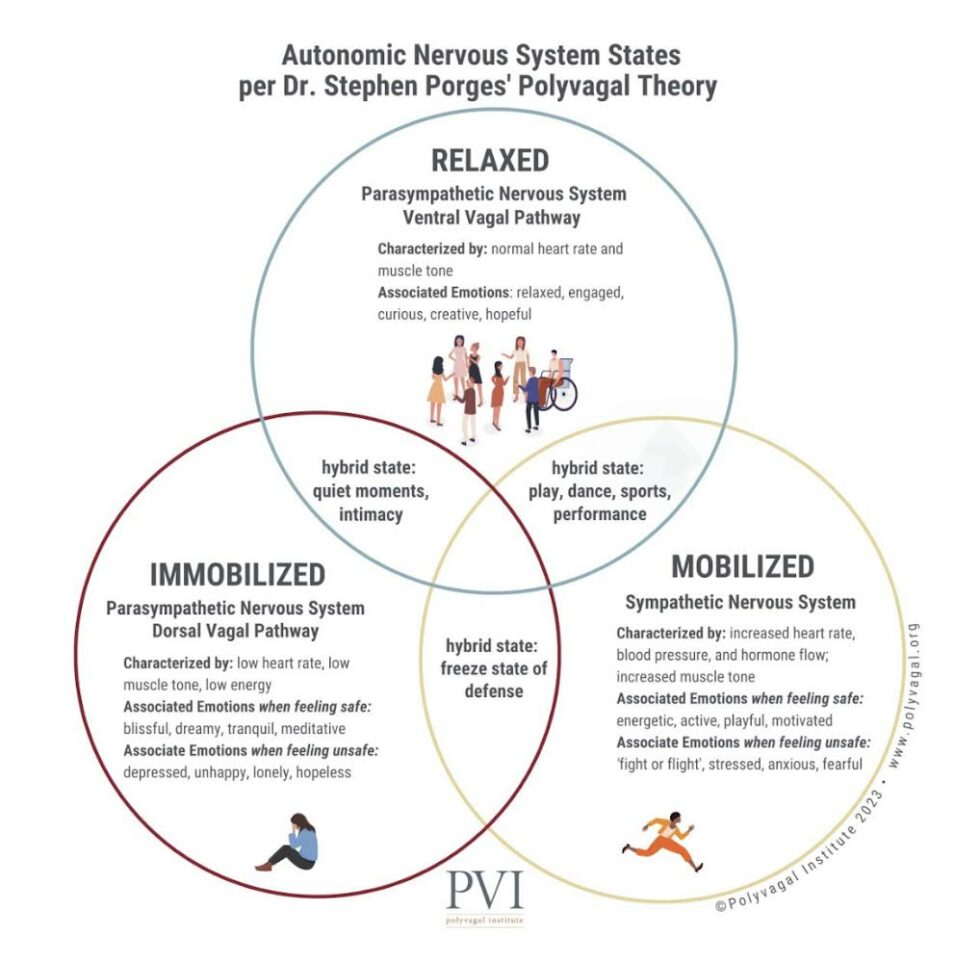
Developed by Dr. Stephen Porges, polyvagal theory offers a scientific framework for understanding how the nervous system responds to stress and trauma. According to this theory, the vagus nerve—the longest cranial nerve—plays a central role in regulating emotional and physiological states. It connects the brain to various organs, including the heart, lungs, and digestive system, and is crucial for managing stress responses.
Polyvagal theory identifies three main states of the autonomic nervous system:
- Ventral Vagus State: This is the state of safety and social engagement. When in this state, individuals feel calm, connected, and open to interaction.
- Sympathetic State: Also known as the "fight or flight" response, this state is triggered by perceived threats and prepares the body for action.
- Dorsal Vagus State: This is a survival state characterized by withdrawal, disconnection, and numbness.
Understanding these states helps us recognize when our nervous system is dysregulated and how to bring it back into balance.
Practical Nervous System Regulation Techniques
There are several science-backed techniques that can help regulate the nervous system. Here are some of the most effective ones:
1. Deep Breathing
Deep, conscious breathing activates the vagus nerve and signals the body to relax. Diaphragmatic breathing, also known as belly breathing, is particularly effective. To practice:
- Sit or lie down in a quiet place.
- Place your hand on your abdomen.
- Inhale slowly through your nose for four seconds, allowing your diaphragm to rise.
- Exhale slowly through your mouth for six seconds.
- Repeat for several minutes.
Benefits: Reduces anxiety, improves oxygenation, and promotes a sense of calm.
2. Cold Water Stimulation
Exposure to cold water, such as splashing your face or taking a short cold shower, activates the vagus nerve and induces a parasympathetic response. This technique helps ground the body and reduce stress quickly.
Benefits: Enhances circulation, reduces inflammation, and provides a quick reset during moments of high stress.
3. Safe Social Contact
Interactions with trusted individuals naturally engage the ventral vagal system, promoting feelings of safety and connection. Whether it's a face-to-face conversation or a video call, social engagement can significantly impact nervous system regulation.
Benefits: Fosters a sense of security, reduces loneliness, and strengthens emotional bonds.
4. Gentle Movement
Activities like yoga, tai chi, or even gentle stretching can stimulate the vagus nerve and promote relaxation. These movements help release physical tension and support emotional balance.
Benefits: Reduces physical strain, enhances the mind-body connection, and supports long-term emotional regulation.
The Role of Grounding in Nervous System Health

Grounding, or earthing, involves connecting with the Earth’s natural electrical charge by walking barefoot on grass, sand, or soil. This practice has been shown to reduce inflammation, balance cortisol levels, and improve heart rate variability (HRV), all of which contribute to a healthier nervous system.
How to Practice Grounding: - Walk barefoot on natural surfaces for 15–30 minutes daily. - Use grounding devices like mats or sheets if outdoor access is limited. - Pair grounding with mindfulness or deep breathing for enhanced effects.
Benefits: Reduces stress, improves sleep, and promotes a sense of calm.
Incorporating Nervous System Regulation into Daily Life

The key to lasting benefits is consistency. Here are some tips to integrate these practices into your routine:
- Set aside 10–15 minutes daily for deep breathing or meditation.
- Schedule regular social interactions with loved ones to support emotional well-being.
- Experiment with grounding as part of your morning or evening routine.
- Combine movement with other techniques, such as yoga or tai chi, for a holistic approach.
By making these practices a part of your daily life, you can build resilience against stress and enhance your overall well-being.
The Power of Nervous System Regulation

Regulating your nervous system isn’t just about managing stress—it’s about reclaiming your sense of safety, clarity, and connection. When your nervous system is balanced, you’re better equipped to handle life’s challenges, maintain healthy relationships, and pursue your goals with confidence.
Whether you're dealing with chronic stress, anxiety, or simply looking to improve your mental and physical health, these techniques offer a powerful way to restore balance. By understanding the science behind nervous system regulation and incorporating practical strategies into your life, you can create a foundation for lasting well-being.
Remember, the journey to a regulated nervous system is a process. Be patient, consistent, and compassionate with yourself. Over time, these practices will become second nature, helping you live more fully and authentically.

Post a Comment for "Effective Nervous System Regulation Techniques for Better Mental and Physical Health"
Post a Comment