Effective Microplastic Detox Strategies for a Healthier Lifestyle
In today’s world, microplastics have become an invisible yet pervasive threat. These tiny plastic particles—less than 5 millimeters in size—are found in everything from the air we breathe to the food we eat. While their long-term effects on human health are still being studied, the evidence is clear: reducing exposure to microplastics is essential for maintaining a healthy lifestyle. This article will guide you through practical and effective strategies to detox your body from microplastics and minimize your environmental impact.

Understanding Microplastics: What You Need to Know
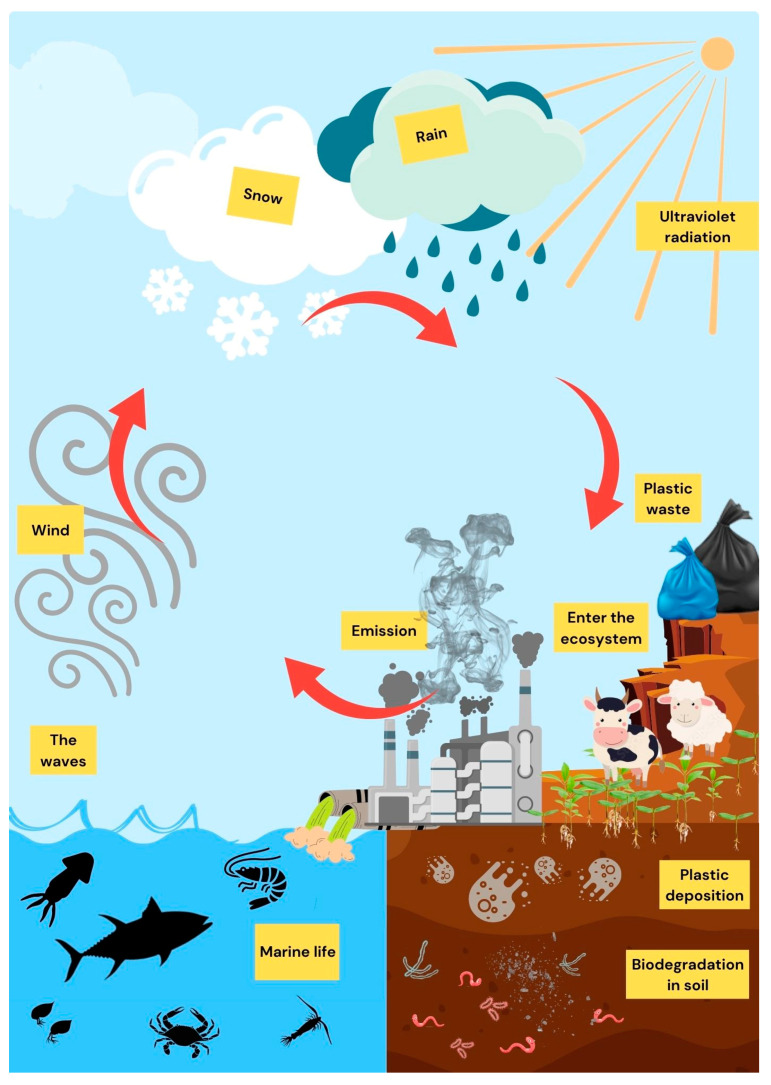
Microplastics come from a variety of sources, including the breakdown of larger plastic items like bottles, bags, and synthetic clothing. They can also be found in personal care products, such as exfoliating scrubs and toothpaste, which contain microbeads. Once released into the environment, these particles can travel through waterways, soil, and even the air, eventually ending up in our bodies.
According to recent studies, the average person consumes up to 5 grams of plastic every week, which is roughly the weight of a credit card. This exposure can lead to a range of health issues, including inflammation, immune system disruption, and potential hormonal imbalances. Understanding where microplastics come from is the first step in developing effective detox strategies.
Practical Steps to Reduce Microplastic Exposure

Reducing your exposure to microplastics starts with making informed choices in your daily life. Here are some practical steps you can take:
1. Use Less Plastic
Minimizing your use of single-use plastics is one of the most effective ways to reduce microplastic exposure. Opt for reusable alternatives such as glass or stainless steel bottles, shopping bags, and food containers. By choosing durable, eco-friendly options, you not only reduce your plastic footprint but also protect your health from harmful chemicals that can leach from plastic when heated or exposed to sunlight.
2. Be Picky With Products
When shopping for personal care products, look for those that do not contain microbeads. These tiny plastic particles are often listed as polyethylene or polypropylene on ingredient labels. Additionally, choose natural fibers for clothing, such as cotton, wool, or bamboo, instead of synthetic fabrics like polyester and nylon, which shed microfibers during washing.
3. Filter Your Water
Water is a significant source of microplastic exposure. Studies show that one liter of water can contain approximately 240,000 pieces of microplastic. Installing a high-quality water filter, such as one with activated carbon or reverse osmosis technology, can help remove these particles before they enter your body.
4. Make Better Food Choices
Opt for fresh produce over pre-packaged items to reduce your exposure to microplastics from packaging. Additionally, be mindful of your seafood consumption, as it often contains high levels of microplastics. Choosing proteins like pork, tofu, chicken, and beef can significantly reduce your intake of microplastics.
Supporting Your Body's Detox Systems
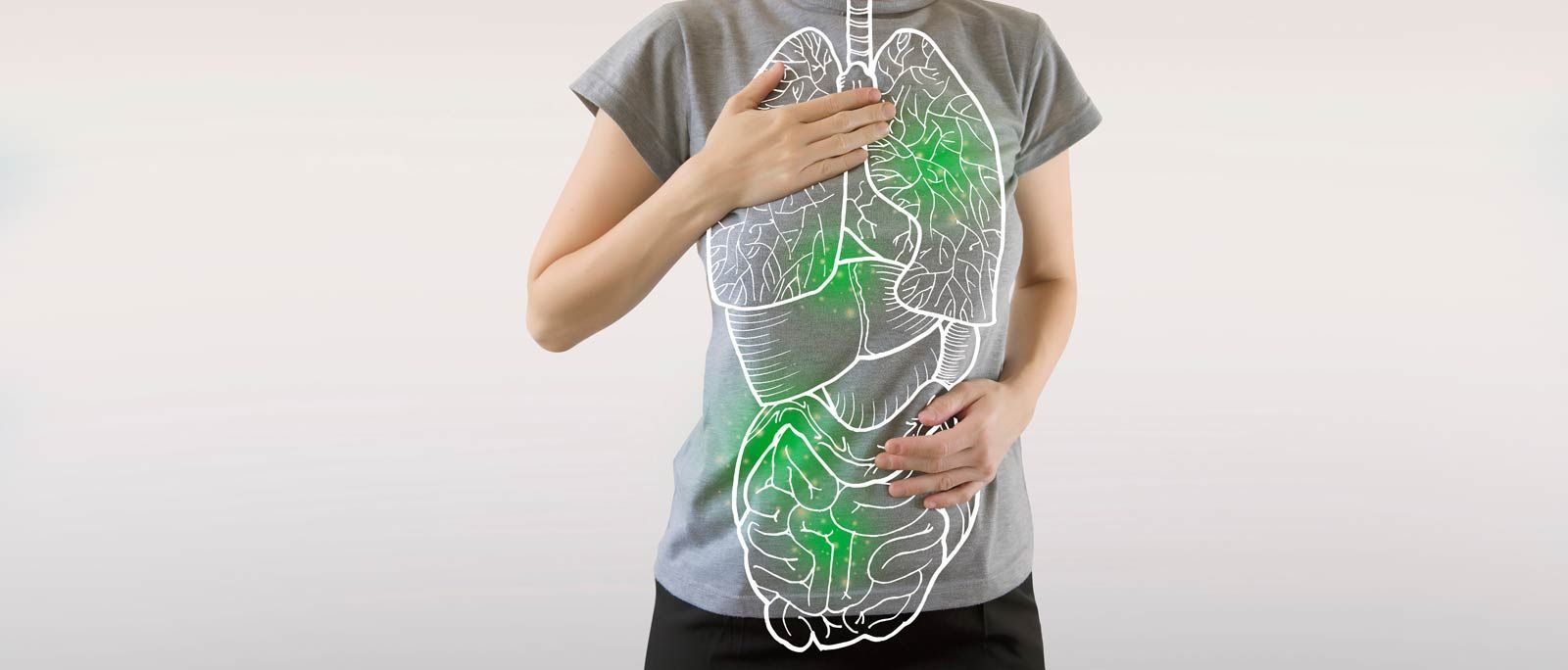
Once you’ve taken steps to reduce your exposure, it’s important to support your body’s natural detoxification processes. Here are some strategies to enhance your body's ability to eliminate microplastics:
1. Nourish Your Liver
The liver plays a crucial role in detoxifying the body. Incorporate nutrient-dense foods like organ meats, leafy greens, and sulfur-rich vegetables into your diet. Herbs such as milk thistle and burdock root can also support liver function and promote the elimination of toxins.
2. Strengthen Gut Integrity
A healthy gut is essential for effective detoxification. Consuming probiotic-rich foods like sauerkraut, kimchi, and kefir can help maintain a balanced gut microbiome. Additionally, incorporating prebiotic fiber from sources like chia seeds and flaxseeds can aid in the removal of toxins from the digestive tract.
3. Support Your Kidneys
The kidneys are responsible for filtering waste from the blood. Staying hydrated and consuming mineral-rich fluids can support kidney function. Herbal remedies like nettle leaf and dandelion root can also promote kidney health and enhance the elimination of toxins.
4. Sweat, Move, and Breathe
Regular physical activity and deep breathing exercises can stimulate the lymphatic system, helping to remove toxins from the body. Activities such as rebounding, swimming, and yoga can improve circulation and support the body's natural detox processes.
Detox-Supportive Supplements and Foods
In addition to dietary changes, certain supplements and foods can aid in the detoxification process. Consider incorporating the following into your routine:
- Mucilaginous Fibers: Foods like okra, fenugreek, and aloe vera can bind to microplastics in the gut, preventing their absorption into the bloodstream.
- Probiotics: Strains like Bacillus subtilis and Bacillus licheniformis can help break down plastic-like compounds and support gut health.
- Antioxidant-Rich Foods: Berries, green tea, and turmeric can combat oxidative stress caused by microplastic exposure and support cellular health.
By combining these strategies, you can create a comprehensive approach to reducing your microplastic exposure and supporting your body's natural detox systems.
Conclusion: A Healthier Future Starts Today
Microplastics are a growing concern, but by taking proactive steps to reduce your exposure and support your body’s detoxification processes, you can significantly improve your health and well-being. From making simple changes in your daily habits to incorporating detox-supportive foods and supplements, there are numerous ways to protect yourself from the harmful effects of microplastics.
Remember, every small action counts. By choosing sustainable products, staying informed, and prioritizing your health, you contribute to a healthier planet and a more resilient body. Start today, and take the first step toward a cleaner, safer, and more vibrant lifestyle.

Post a Comment for "Effective Microplastic Detox Strategies for a Healthier Lifestyle"
Post a Comment