Home Workouts for Seniors: Staying Active at Any Age
Step One:
Home Workouts for Seniors: Staying Strong and Independent.
Step Two:
Hey there! Let's talk about something super important – staying active as we gracefully age. Think about it: remember when you could chase after your grandkids without breaking a sweat, or easily carry groceries up three flights of stairs? Maybe those days feel a little… distant now. And that's okay! Life happens, bodies change, and sometimes, that pep in our step gets a little… quieter.
Home Workouts for Seniors: Staying Active at Any Age
We all know how crucial exercise is, right? Doctors preach about it, friends brag about their gym routines, and even your slightly annoying nephew keeps posting workout selfies (seriously, does he ever stop?). But let's be real: the idea of hitting the gym can be daunting. The crowds, the complicated equipment, the throbbing music that makes you feel ancient – it's enough to make anyone want to curl up on the couch with a cup of tea (and maybe a biscuit or two!).
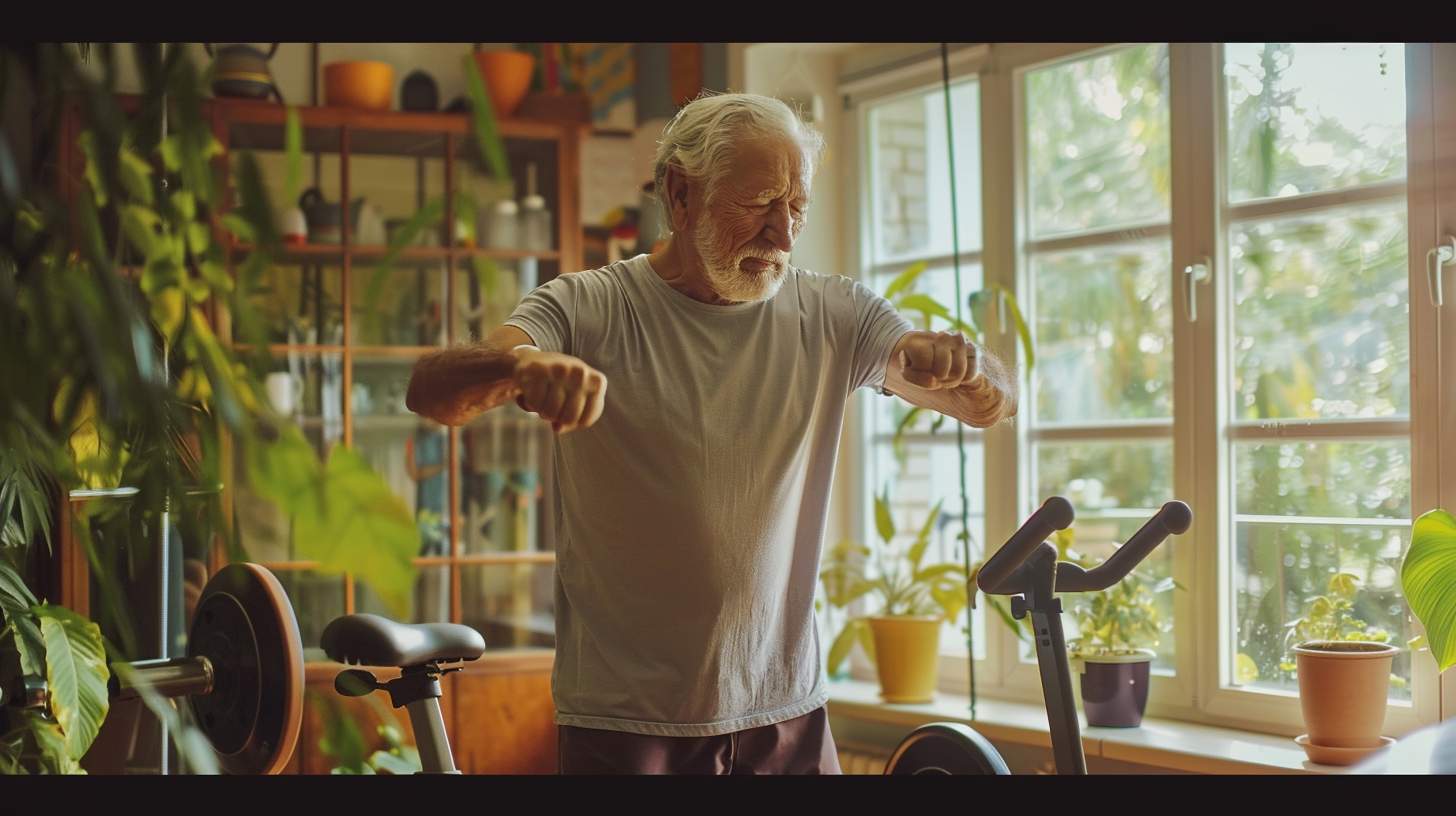
But what if I told you there's a fantastic alternative? A way to stay active, build strength, and boost your mood, all from the comfort of your own home? That's right, we're talking about home workouts for seniors! Forget the gym intimidation and embrace the convenience of exercising in your pajamas (okay, maybe not pajamas, but you get the idea!).
Now, before you start picturing yourself doing burpees and Olympic weightlifting, let's clarify something. Home workouts for seniors aren't about becoming a super athlete. They're about maintaining your independence, improving your balance, and feeling good in your own skin. It's about making daily tasks easier, like carrying groceries, climbing stairs, or even just getting out of a chair. It's about living a longer, healthier, and more fulfilling life.
And let's face it, the statistics don't lie. According to the National Institute on Aging, regular physical activity can help seniors manage chronic conditions like arthritis, heart disease, and diabetes. It can also improve cognitive function, reduce the risk of falls, and even boost your immune system. Think of exercise as your secret weapon against aging – a natural, powerful way to stay strong and vibrant.
Maybe you’re thinking, "I'm not an athlete; I’ve never been very active." That's perfectly fine! Home workouts can be tailored to your individual needs and abilities. We’re talking gentle stretches, chair exercises, light weightlifting (using soup cans, anyone?), and maybe even a little bit of dancing to your favorite tunes. The key is to start slowly, listen to your body, and gradually increase the intensity and duration of your workouts.
But here’s the kicker: many seniors don’t even know where to start. They feel overwhelmed by the sheer volume of information available online, and they're worried about injuring themselves. That's where this article comes in. We're going to break down the basics of home workouts for seniors, providing you with practical tips, simple exercises, and expert advice to help you get started on your fitness journey.
We'll cover everything from choosing the right equipment (or lack thereof!) to creating a safe and effective workout routine. We'll also discuss the importance of warming up and cooling down, how to listen to your body, and how to stay motivated when you'd rather be watching reruns of your favorite show.
So, are you ready to unlock the secrets to a healthier, happier, and more active you? Keep reading to discover how home workouts can transform your life, one gentle movement at a time!
Step Three:
Many seniors face mobility challenges, chronic pain, or a general decline in physical fitness, which can make the idea of exercising seem daunting. But staying active is crucial for maintaining independence, preventing falls, and improving overall quality of life. The good news is that home workouts offer a safe, convenient, and customizable way to achieve these benefits without the need for expensive gym memberships or complicated equipment.
• Understanding the Benefits of Home Workouts:
Home workouts offer a plethora of advantages for seniors. Beyond the obvious physical benefits, they also contribute to mental and emotional well-being. Let's explore some of the key advantages:
- Improved Physical Health: Regular exercise can help seniors maintain a healthy weight, strengthen bones and muscles, improve cardiovascular health, and manage chronic conditions like arthritis, diabetes, and heart disease. A study published in the Journal of the American Geriatrics Society found that even moderate exercise can significantly reduce the risk of falls and fractures in older adults.
- Enhanced Mental Well-being: Exercise releases endorphins, which have mood-boosting effects. Home workouts can help seniors combat feelings of loneliness, anxiety, and depression. A meta-analysis published in the journal Aging & Mental Health found that exercise is an effective treatment for depression in older adults.
- Increased Independence: Maintaining strength and mobility allows seniors to perform daily tasks with greater ease and independence. This can help them stay in their homes longer and avoid the need for assisted living. Think about being able to garden, play with your grandchildren, or simply walk to the store without assistance.
- Convenience and Accessibility: Home workouts eliminate the need to travel to a gym, which can be a significant barrier for seniors with mobility issues or transportation limitations. You can exercise at your own pace, on your own schedule, and in the comfort of your own home. No more worrying about gym hours or crowded workout spaces!
• Creating a Safe and Effective Workout Space:
Before you start your home workout routine, it's essential to create a safe and comfortable environment. Here are a few tips:
- Choose a Well-Lit Area: Make sure your workout space is well-lit to prevent falls and injuries. Natural light is ideal, but if that's not available, use bright overhead lighting or lamps.
- Clear the Clutter: Remove any tripping hazards, such as rugs, cords, or furniture. A clear, open space is essential for safe movement.
- Use a Supportive Surface: If you're doing floor exercises, use a mat or carpet for cushioning and support. This will protect your joints and prevent discomfort.
- Keep Water Handy: Staying hydrated is crucial, especially during exercise. Keep a water bottle within easy reach and sip regularly throughout your workout.
- Consider a Mirror: A mirror can help you check your form and ensure you're performing exercises correctly. This is especially helpful for exercises that require balance and coordination.
• Essential Equipment (or Lack Thereof!):
One of the great things about home workouts for seniors is that you don't need a lot of fancy equipment to get started. In fact, you can do many effective exercises using just your body weight. However, a few basic items can enhance your workouts:
- Comfortable Clothing and Supportive Shoes: Choose clothing that allows you to move freely and breathable. Supportive shoes with good traction are essential to prevent falls.
- Resistance Bands: These inexpensive and versatile bands can be used to add resistance to exercises and target specific muscle groups.
- Light Weights or Household Items: You don't need to buy expensive dumbbells. You can use soup cans, water bottles, or even bags of rice as weights.
- Chair: A sturdy chair with a backrest is useful for seated exercises and balance support.
- Exercise Ball (Optional): An exercise ball can be used for core strengthening and balance exercises.
• Sample Home Workout Routine for Seniors:
Here's a sample workout routine that you can adapt to your individual needs and abilities. Remember to consult with your doctor before starting any new exercise program.
- Warm-up (5-10 minutes):
- Gentle stretches: Neck rolls, shoulder rolls, arm circles, and leg swings.
- Marching in place: Lift your knees high and swing your arms.
- Side steps: Step to the side, alternating legs.
- Strength Training (15-20 minutes):
- Chair squats: Stand up and sit down in a chair, keeping your back straight and engaging your core.
- Wall push-ups: Stand facing a wall and lean forward, placing your hands on the wall at shoulder height. Push back until your arms are straight.
- Bicep curls with light weights: Hold a weight in each hand and curl your arms up towards your shoulders.
- Overhead presses with light weights: Hold a weight in each hand and press your arms up overhead.
- Calf raises: Stand with your feet shoulder-width apart and raise up onto your toes.
- Cardio (15-20 minutes):
- Walking in place: Walk in place, lifting your knees high and swinging your arms.
- Dancing: Put on your favorite music and dance!
- Chair aerobics: Perform arm and leg movements while seated in a chair.
- Cool-down (5-10 minutes):
- Hold each stretch for 20-30 seconds.
- Focus on deep breathing to relax your body.
• Modifications and Progressions:
It's important to modify exercises to suit your individual needs and abilities. If an exercise is too difficult, try a simpler variation or reduce the number of repetitions. As you get stronger, you can gradually increase the intensity, duration, or frequency of your workouts.
- Chair Exercises:
- Seated Marches: Sit tall in a chair and lift each knee as high as is comfortable, mimicking a marching motion. This improves circulation and leg strength.
- Seated Bicep Curls: Using light weights (or even water bottles), curl your arms up towards your shoulders while seated. This strengthens your biceps.
- Seated Leg Extensions: Extend one leg straight out in front of you, hold for a moment, and then lower it back down. Repeat with the other leg. This strengthens your quadriceps.
- Balance Exercises:
- Heel-to-Toe Walk: Walk in a straight line, placing the heel of one foot directly in front of the toes of the other foot. This improves balance and coordination.
- One-Leg Stand: Stand on one leg for as long as you can without losing your balance. Use a chair or wall for support if needed.
- Balance Board: If you have a balance board, use it to practice balancing. Start with short periods and gradually increase the duration as you improve.
- Increasing Intensity:
- Add Resistance: Use resistance bands or heavier weights to challenge your muscles more.
- Increase Repetitions: Gradually increase the number of repetitions you perform for each exercise.
- Increase Sets: Perform more sets of each exercise.
- Increase Frequency: Workout more often, but be sure to allow for adequate rest and recovery.
• Staying Motivated and Consistent:
Consistency is key to seeing results from your home workout routine. Here are a few tips to help you stay motivated:
- Set Realistic Goals: Don't try to do too much too soon. Start with small, achievable goals and gradually increase the challenge as you get stronger.
- Find an Exercise Buddy: Exercising with a friend or family member can help you stay motivated and accountable.
- Make it Fun: Choose activities that you enjoy and that fit your lifestyle. If you hate running, don't force yourself to do it. Find something that you look forward to.
- Track Your Progress: Keep a record of your workouts and track your progress over time. This will help you see how far you've come and stay motivated to continue.
- Reward Yourself: Treat yourself to something you enjoy after reaching a milestone. This could be anything from a relaxing bath to a new book.
• Listen to Your Body and Avoid Injuries:
It's crucial to listen to your body and avoid pushing yourself too hard, especially when you're just starting out.
- Warm Up Properly: Before each workout, take the time to warm up your muscles with gentle stretches and light cardio.
- Use Proper Form: Focus on performing each exercise with correct form to prevent injuries. If you're unsure about the proper form, consult with a physical therapist or certified personal trainer.
- Don't Overdo It: Start slowly and gradually increase the intensity and duration of your workouts.
- Rest and Recover: Allow your body adequate time to rest and recover between workouts.
- Seek Medical Advice: If you experience any pain or discomfort, stop exercising and consult with your doctor.
Step Four:
Here are four frequently asked questions (FAQs) about home workouts for seniors:
Q1: Is it safe for seniors with health conditions to exercise at home?
A: Generally, yes, but it's crucial to consult with your doctor before starting any new exercise program, especially if you have underlying health conditions. They can assess your fitness level and provide recommendations tailored to your specific needs.
Q2: How often should seniors workout at home?
A: Aim for at least 150 minutes of moderate-intensity aerobic activity or 75 minutes of vigorous-intensity activity per week, along with strength training exercises at least two days per week. You can break this up into smaller chunks of time, such as 30 minutes of exercise most days of the week.
Q3: What if I have limited mobility or balance issues?
A: There are many chair exercises and balance exercises that can be modified to suit your abilities. Start slowly and use a chair or wall for support if needed. As you get stronger, you can gradually increase the challenge.
Q4: How can I stay motivated to workout at home?
A: Set realistic goals, find an exercise buddy, make it fun by choosing activities you enjoy, track your progress, and reward yourself for reaching milestones.
In short, starting home workouts as a senior unlocks a world of benefits, from enhanced physical strength and mobility to boosted mental well-being and increased independence. By setting up a safe workout space, choosing suitable exercises, and staying consistent, you can enjoy a healthier and more active life right from your living room. Remember, listen to your body, consult with your doctor, and make exercise a fun and sustainable part of your daily routine.
So, are you ready to take the first step towards a healthier, more vibrant you? Lace up those sneakers (or not, if you prefer barefoot!), clear some space, and get moving! Start with a simple warm-up and try a few of the exercises we've discussed. Remember, every little bit counts, and consistency is key.
Now, here’s a challenge: commit to just 15 minutes of home exercise, three times this week. You might be surprised at how good you feel! What small step will you take today to prioritize your health and well-being?

Post a Comment for "Home Workouts for Seniors: Staying Active at Any Age"
Post a Comment