Stress Management: 5 Techniques for a Healthier Mind
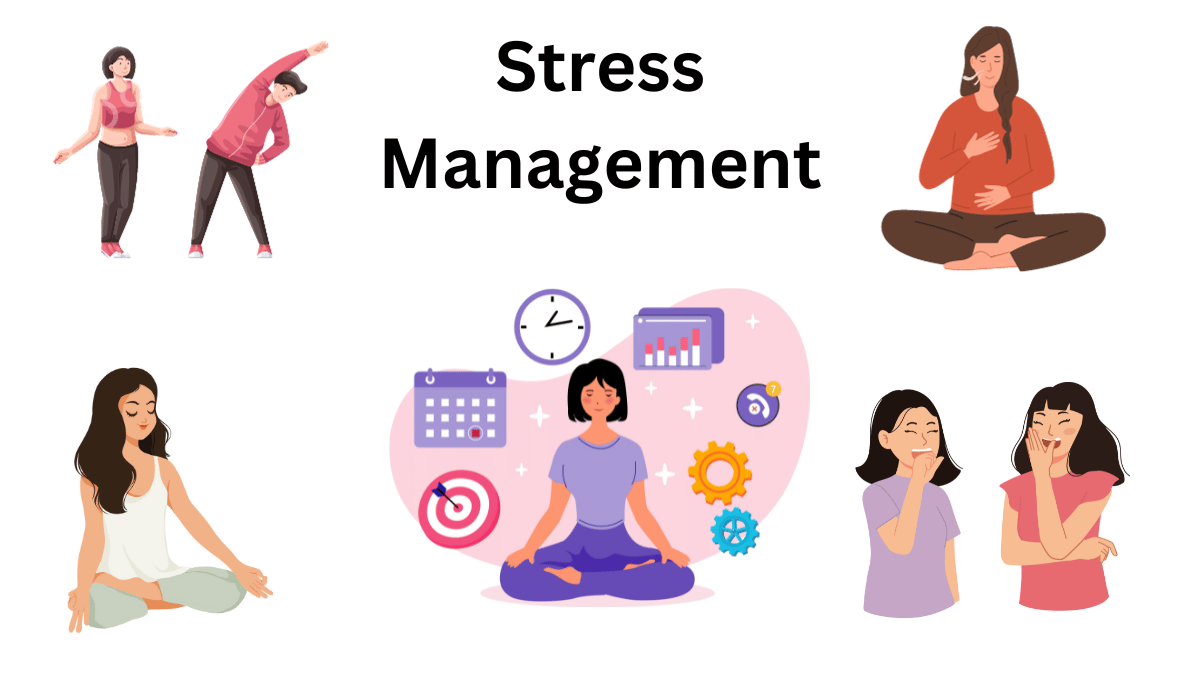
Unlock Inner Peace: 5 Proven Stress Management Techniques
Hey there, friends! Ever feel like you're juggling flaming chainsaws while riding a unicycle on a tightrope? Yeah, that's pretty much modern life, right? We're constantly bombarded with deadlines, responsibilities, and enough digital noise to drive anyone bonkers. Stress is no longer a periodic visitor; it's practically a permanent roommate who never does the dishes.
But here's the thing: while we can't eliminate stress entirely (unless someone invents a teleportation device to a deserted island, please sign me up!), wecanlearn to manage it. Think of it like this: you can't stop the waves, but you can learn to surf. So, if you're ready to ditch the overwhelmed feeling and reclaim your sanity, you've come to the right place.
We're going to dive into five super effective techniques that will help you navigate the choppy waters of stress and emerge feeling calmer, more centered, and ready to tackle whatever life throws your way. No fluff, just practical strategies you can start using today. Intrigued? Then let's get started!
Stress Management: 5 Techniques for a Healthier Mind
Stress, that uninvited guest that overstays its welcome, is practically a national pastime these days. It lurks in the shadows of our to-do lists, whispers anxieties in our ears, and generally makes life feel like a never-ending uphill battle. From the moment we wake up, bombarded by news alerts and overflowing inboxes, to the late hours we spend trying to catch up, our bodies and minds are constantly under pressure.
But here’s the kicker: stress isn’t just a mental inconvenience; it’s a full-blown health hazard. Chronic stress has been linked to a laundry list of ailments, from heart disease and high blood pressure to weakened immunity and digestive problems. It messes with our sleep, saps our energy, and even ages us faster. Let's face it, who needs expensive anti-aging creams when you can just chill out and de-stress? The problem is clear: unchecked stress is detrimental to our overall well-being.
So, what’s the solution? Well, wishing stress away is about as effective as wishing for world peace (though, hey, keep wishing!). We need practical, actionable strategies that we can weave into our daily lives. We need tools that will help us not just cope with stress, but actively manage it, transforming it from a debilitating force into a manageable blip on our radar. That’s where these five techniques come in. They’re not magic bullets, but they’re powerful tools that, when used consistently, can make a world of difference in your stress levels and overall well-being.
Ready to take control of your stress and start living a healthier, happier life? Let’s dive in and discover these transformative techniques!
• Embrace the Power of Mindfulness
Mindfulness. It's the buzzword of the decade, right? But beyond the hype lies a powerful practice that can dramatically reduce stress. Think of it as a mental reset button. It's all about paying attention to the present moment, without judgment. No dwelling on the past or worrying about the future – just being here, now.
So, how do you actuallydomindfulness? It's simpler than you think. Start with a few minutes each day. Find a quiet spot, close your eyes, and focus on your breath. Notice the sensation of the air entering and leaving your body. When your mind wanders (and it will!), gently guide it back to your breath. That's it! You're practicing mindfulness.
You can also incorporate mindfulness into everyday activities. Washing dishes? Pay attention to the feel of the water and the scent of the soap. Eating a meal? Savor each bite and notice the flavors and textures. Walking to work? Observe the sights, sounds, and smells around you. The key is to be present and engaged in whatever you're doing. I know, I know, you're probably thinking, "I don't have time for this!" But trust me, even a few minutes of mindfulness can make a huge difference in your stress levels.
One of the best examples of Mindfulness is meditation. Meditation, in its most basic form, is a way to train your mind to focus and redirect your thoughts. It's like a mental workout for your brain, strengthening your ability to stay present and calm. You can take a meditation class, watch videos about it online, or even just sit and focus on your breathing.
A real-world case study is John Hopkins University where they published a study in the Journal of the American Medical Association. The study found that mindfulness meditation can help ease psychological stresses like anxiety, depression, and pain. Participants who practiced meditation regularly showed significant improvements in their mental well-being compared to those who didn't.
• Master the Art of Time Management
Feeling overwhelmed by your to-do list? You're not alone. Poor time management is a major contributor to stress. When you're constantly scrambling to meet deadlines and juggling multiple responsibilities, it's no wonder you feel like you're about to lose it. But fear not, friends! Time management is a skill you can learn and master.
Start by prioritizing your tasks. Use a system like the Eisenhower Matrix (urgent/important) to identify what truly needs your attention. Delegate tasks whenever possible. And learn to say "no" to commitments that will overload your plate. It's okay to protect your time and energy.
Another helpful tip is to break down large tasks into smaller, more manageable chunks. This makes them less daunting and easier to tackle. Use a planner or to-do list to keep track of your progress and stay organized. And don't forget to schedule in breaks! Taking short breaks throughout the day can help you stay refreshed and focused.
Imagine Sarah, a marketing manager who was constantly stressed out by her workload. She felt like she was always behind schedule and never had enough time to complete her tasks. She started using the Eisenhower Matrix to prioritize her tasks, delegating less important tasks to her team and focusing on the most critical ones. She also started breaking down large projects into smaller, more manageable steps. Within a few weeks, Sarah noticed a significant reduction in her stress levels. She felt more in control of her workload and had more time to focus on the things that mattered most.
One of the best examples of this is setting SMART goals. SMART goals are specific, measurable, achievable, relevant, and time-bound. By setting SMART goals, you can break down large tasks into smaller, more manageable steps. For example, if you want to lose weight, a SMART goal might be to lose 1-2 pounds per week by eating healthier and exercising regularly.
• Cultivate a Strong Support System
We're social creatures, and we need connection to thrive. Isolating yourself when you're stressed can actually make things worse. Reach out to friends, family, or a therapist for support. Talking about your problems can help you gain perspective and feel less alone.
Sometimes, just venting to someone who understands can be incredibly therapeutic. Other times, you might need more professional help. Don't be afraid to seek out a therapist or counselor if you're struggling to cope with stress on your own. There's no shame in asking for help.
Building a strong support system is like creating a safety net for yourself. It's having people in your life who you can rely on for emotional support, practical assistance, or just a listening ear. These people can help you navigate difficult times, celebrate your successes, and remind you that you're not alone.
Consider the story of Mark, who lost his job during a difficult economic downturn. He felt ashamed and isolated, and he didn't want to burden his friends and family with his problems. He started withdrawing from social activities and spending more time alone. But one day, his best friend reached out to him and insisted on taking him out for coffee. Mark reluctantly agreed, and as he started talking about his situation, he felt a huge weight lifted off his shoulders. His friend listened without judgment and offered words of encouragement. Mark realized that he didn't have to go through this alone, and he started reaching out to his other friends and family members for support. With their help, he was able to find a new job and get back on his feet.
One of the best examples of creating a support system is a support group. A support group is a group of people who share similar experiences or challenges. Support groups can provide a safe and supportive environment for people to share their feelings, learn from each other, and receive encouragement. You can find support groups for a variety of issues, such as anxiety, depression, grief, and chronic illness.
• Prioritize Physical Activity
Exercise isn't just good for your body; it's also fantastic for your mind. Physical activity releases endorphins, which have mood-boosting effects. It also helps reduce stress hormones like cortisol. Even a short walk can make a difference.
Find an activity you enjoy and make it a regular part of your routine. Whether it's running, swimming, dancing, or yoga, the key is to find something you'll stick with. And don't forget to listen to your body. Rest when you need to and don't push yourself too hard, especially when you're feeling stressed.
Physical activity is a powerful tool for managing stress because it directly impacts your body's physiology. When you exercise, your body releases endorphins, which act as natural mood elevators and pain relievers. Exercise also helps regulate the stress hormones cortisol and adrenaline, bringing them back to healthy levels.
Let's look at Lisa, a software developer who spent most of her day sitting in front of a computer. She started experiencing chronic neck pain, headaches, and fatigue. Her doctor recommended that she start exercising regularly. Lisa joined a yoga class and started walking for 30 minutes each day. Within a few weeks, she noticed a significant improvement in her physical and mental health. Her neck pain and headaches disappeared, and she felt more energized and focused. She also noticed that she was better able to cope with stress. Exercise had become a powerful tool for managing her stress and improving her overall well-being.
One of the best examples of Prioritizing Physical Activity is just moving. When you feel stressed, take a break and go for a walk. Even a short walk can help clear your head and reduce stress. In a 2018 study, researchers found that just 10 minutes of walking can improve mood and reduce stress.
• Practice Relaxation Techniques
Deep breathing, progressive muscle relaxation, and guided imagery are all effective techniques for reducing stress. These practices help calm your nervous system and promote a sense of relaxation. There are plenty of resources available online and in libraries to help you learn these techniques.
The best part about relaxation techniques is that you can do them anywhere, anytime. Feeling stressed at work? Take a few minutes to practice deep breathing. Stuck in traffic? Listen to a guided meditation. The possibilities are endless.
Relaxation techniques are powerful tools for managing stress because they directly address the body's physiological response to stress. When you're stressed, your heart rate increases, your breathing becomes shallow and rapid, and your muscles tense up. Relaxation techniques help reverse these effects, bringing your body back to a state of calm and relaxation.
Consider David, an executive who had a high-pressure job. He was constantly stressed out and had trouble sleeping. He started practicing progressive muscle relaxation before bed each night. This involved tensing and releasing different muscle groups in his body, starting with his toes and working his way up to his head. After a few weeks of practicing this technique, David noticed that he was able to fall asleep more easily and sleep more soundly. He also felt more relaxed and less stressed during the day.
One of the best examples of relaxation techniques is using deep breathing exercises. Deep breathing exercises can help you relax and reduce stress. To practice deep breathing, find a comfortable position and close your eyes. Breathe in slowly and deeply through your nose, filling your lungs with air. Hold your breath for a few seconds, then exhale slowly and completely through your mouth. Repeat this process several times, focusing on your breath.
Questions & Answers
Q: I'm too busy to practice these techniques. How can I fit them into my schedule?
A: Start small! Even a few minutes of mindfulness or deep breathing can make a difference. Incorporate these techniques into your existing routine, like during your commute or before bed.
Q: I've tried these techniques before, but they didn't work for me. What should I do?
A: It takes time and practice to master these techniques. Don't give up if you don't see results right away. Experiment with different approaches and find what works best for you.
Q: What if my stress is caused by external factors, like a demanding boss or a difficult relationship?
A: While you can't always control external factors, you can control how you respond to them. These techniques can help you manage your stress and develop healthier coping mechanisms.
Q: Are there any other stress management techniques I should consider?
A: Absolutely! Other effective techniques include spending time in nature, listening to music, engaging in creative activities, and getting enough sleep.
So, there you have it, friends! Five powerful techniques to help you manage stress and cultivate a healthier mind. Remember, stress management is a journey, not a destination. Be patient with yourself, and celebrate your progress along the way.
Now, it's your turn. Pick one of these techniques and commit to practicing it for at least five minutes each day for the next week. See how it makes you feel. And if you're feeling brave, share your experiences in the comments below. We're all in this together, and your story might just inspire someone else to take control of their stress.
The key takeaway here is that stress doesn't have to rule your life. By incorporating these techniques into your daily routine, you can reclaim your peace of mind and start living a more balanced, fulfilling life. Remember that surfing analogy? You got this! Now go catch some waves of calm!
Ready to say goodbye to overwhelm and hello to inner peace?

Post a Comment for "Stress Management: 5 Techniques for a Healthier Mind"
Post a Comment