Menopause: How to Cope with Emotional Changes
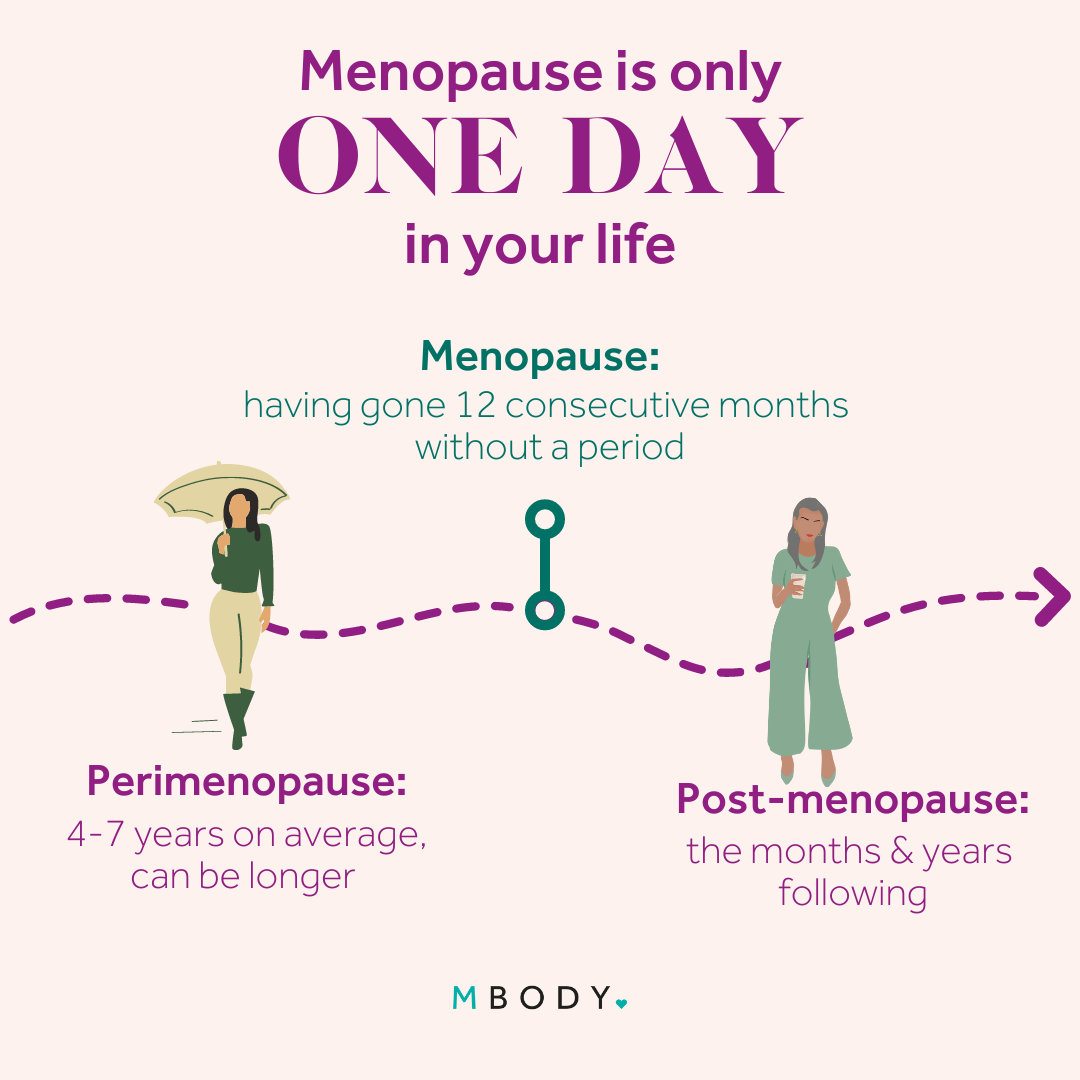
Menopause Survival Guide: Taming the Emotional Rollercoaster
Hey there, friend! Let's talk menopause. I know, I know, just the word itself can make you want to hide under the covers with a vat of ice cream. But seriously, dealing with the emotional side of menopause can feel like riding a rollercoaster designed by a sadist. One minute you're laughing at a cat video, the next you're weeping because you can't find your favorite socks. Sound familiar? It's not just you; we're all in this hormonal hurricane together!
Navigating the Emotional Maze: A Menopause Manual
Menopause, that lovely little transition (said with a heavy dose of sarcasm, of course), isn't just about hot flashes and night sweats. Oh no, it’s a full-blown emotional overhaul. We're talking mood swings that could rival a toddler's tantrum, anxiety levels that spike higher than your grocery bill, and a general feeling of being…well, not quite yourself. It's like your brain has decided to throw a party and invited all your insecurities and fears. But here's the good news: youcanlearn to navigate this maze. We're going to explore some real, practical strategies to help you cope with the emotional rollercoaster of menopause and come out the other side feeling more like the amazing woman you are.
So, grab a cup of tea (or a glass of wine – no judgment here!), settle in, and let's dive into how to tame those pesky emotional changes that menopause throws your way. Ready to reclaim your sanity and your smile? Let's do this!
Decoding the Emotional Whirlwind: Understanding Menopause's Impact
Before we jump into solutions, let's understand why menopause hits us emotionally like a rogue wave. The primary culprit? Hormonal fluctuations, specifically the decline of estrogen. Estrogen isn't just about reproduction; it plays a vital role in regulating mood, sleep, and cognitive function. When estrogen levels plummet, it throws your brain chemistry into disarray, leading to a cascade of emotional symptoms.
Think of it like this: estrogen is like the conductor of an orchestra, ensuring all the instruments (neurotransmitters) play in harmony. When the conductor leaves (estrogen declines), the orchestra descends into chaos. Serotonin, dopamine, and norepinephrine – key neurotransmitters responsible for mood regulation – become imbalanced, resulting in mood swings, anxiety, depression, and irritability. It's not just "in your head"; it's a real, physiological change happening within your brain.
But it's notjusthormones. Life stage also plays a significant role. Menopause often coincides with other major life transitions: children leaving home (hello, empty nest syndrome!), career changes, caring for aging parents, and even grappling with your own mortality. All these factors can contribute to emotional stress and exacerbate the symptoms of menopause.
According to recent studies, women experiencing perimenopause (the years leading up to menopause) and menopause are at a higher risk of developing depression and anxiety disorders. Data from the North American Menopause Society suggests that approximately 20% of women experience significant mood disturbances during this time. It's crucial to acknowledge that these are real, legitimate health concerns that deserve attention and support.
Now, let's get to the good stuff: practical ways to cope with these emotional challenges.
Strategies for Emotional Well-being During Menopause
Okay, friends, let’s get real. We can't magically wave a wand and make menopause disappear (although, wouldn't that be amazing?). But wecantake proactive steps to manage the emotional ups and downs. Here's a breakdown of strategies that can truly make a difference:
• Prioritize Self-Care: This isn't just about bubble baths and face masks (although those are nice too!). Self-care means making a conscious effort to nurture your physical, emotional, and mental well-being. This could involve:
Scheduling dedicated time for activities you enjoy, whether it's reading, gardening, painting, or dancing.
Ensuring you get enough sleep. Sleep deprivation can worsen mood swings and anxiety. Aim for 7-8 hours of quality sleep each night.
Practicing mindfulness and relaxation techniques, such as meditation, yoga, or deep breathing exercises. These can help calm your nervous system and reduce stress.
Nourishing your body with healthy foods. A balanced diet rich in fruits, vegetables, and whole grains can support your overall health and improve your mood.
Connecting with loved ones. Social support is crucial during this time. Spend time with friends and family who uplift and support you.
• Embrace Exercise: Exercise is a powerhouse when it comes to managing menopause symptoms. It's not just about weight management (although that's a bonus!). Exercise can:
Boost your mood by releasing endorphins, natural mood elevators.
Reduce stress and anxiety by lowering cortisol levels.
Improve sleep quality by regulating your circadian rhythm.
Increase energy levels by improving circulation and oxygen flow.
Choose activities you enjoy, whether it's walking, swimming, cycling, or dancing. Aim for at least 30 minutes of moderate-intensity exercise most days of the week. Even a short walk can make a difference.
• Explore Hormone Therapy (HT): Hormone therapy can be a game-changer for many women experiencing severe emotional symptoms of menopause. It involves replacing the estrogen that your body is no longer producing.
HT can effectively alleviate mood swings, anxiety, and depression by stabilizing hormone levels.
It can also improve sleep quality and cognitive function.
However, HT isn't for everyone. It's essential to discuss the risks and benefits with your doctor to determine if it's the right option for you. Factors to consider include your medical history, family history, and personal preferences.
If you decide to try HT, start with the lowest effective dose and monitor your symptoms closely.
• Consider Cognitive Behavioral Therapy (CBT): CBT is a type of therapy that helps you identify and change negative thought patterns and behaviors that contribute to emotional distress.
CBT can be particularly helpful for managing anxiety, depression, and irritability associated with menopause.
It teaches you coping skills to deal with difficult emotions and challenging situations.
CBT can be delivered in individual or group settings, and online therapy options are also available.
Look for a therapist who specializes in working with women experiencing menopause.
• Harness the Power of Mindfulness: Mindfulness involves paying attention to the present moment without judgment. It can help you become more aware of your thoughts and feelings, allowing you to respond to them in a more balanced and compassionate way.
Mindfulness techniques include meditation, deep breathing exercises, and body scan meditations.
Regular mindfulness practice can reduce stress, anxiety, and improve your overall sense of well-being.
There are many free apps and online resources that can guide you through mindfulness exercises.
• Nutritional Support: What you eat directly impacts your brain and therefore, your emotional well-being.
Eat plenty of omega-3 fatty acids. These are found in fatty fish like salmon, mackerel, and tuna, as well as flaxseeds and walnuts. They are great for brain health.
Increase calcium and Vitamin D intake. These nutrients are essential for bone health and may also play a role in mood regulation. Dairy products, leafy green vegetables, and fortified foods are good sources of calcium. Vitamin D can be obtained from sunlight and fortified foods.
Avoid excessive sugar and processed foods. These can lead to blood sugar spikes and crashes, which can exacerbate mood swings.
Limit caffeine and alcohol. While these may provide temporary relief, they can ultimately worsen anxiety and disrupt sleep.
• Build a Strong Support Network: You are not alone in this journey! Connecting with other women who are experiencing menopause can provide invaluable support and validation.
Join a menopause support group, either online or in person. Sharing your experiences and hearing from others can help you feel less isolated and more empowered.
Talk to your friends and family about what you're going through. Open communication can help them understand your needs and provide support.
Consider joining a hobby group or volunteering. Engaging in activities you enjoy and connecting with like-minded people can boost your mood and reduce feelings of isolation.
• Explore Herbal Remedies and Supplements: While more research is needed, some herbal remedies and supplements have shown promise in alleviating menopause symptoms.
Black cohosh is a popular herbal remedy for hot flashes and night sweats, and some studies suggest it may also help with mood swings.
St. John's Wort is an herbal remedy that is sometimes used to treat mild to moderate depression.
Valerian root is a natural sleep aid that can help improve sleep quality.
Always talk to your doctor before taking any herbal remedies or supplements, as they can interact with medications and may not be safe for everyone.
• Track Your Symptoms: Journaling your symptoms, including mood changes, sleep patterns, and physical symptoms, can help you identify triggers and patterns. This information can be valuable for you and your doctor in developing a personalized treatment plan.
Use a notebook, journal, or app to track your symptoms.
Note the date, time, and severity of each symptom.
Also, record any potential triggers, such as stress, lack of sleep, or certain foods.
Review your symptom tracker regularly to identify patterns and trends.
Menopause: Frequently Asked Questions
Let's tackle some common questions about menopause and emotional changes:
Question 1: How long will these emotional changes last?
Answer: The duration of emotional changes during menopause varies greatly from woman to woman. Some women experience symptoms for a few years during perimenopause, while others may continue to have them for several years after menopause. Factors such as genetics, lifestyle, and overall health can influence the duration of symptoms.
Question 2: Is it possible to feel like myself again after menopause?
Answer: Absolutely! While menopause brings about significant hormonal shifts, it's definitely possible to regain a sense of emotional balance and well-being. By implementing self-care strategies, seeking professional support when needed, and making healthy lifestyle choices, you can navigate this transition and emerge feeling stronger and more resilient. Many women report feeling better than ever after menopause, as they are free from the hormonal fluctuations of their reproductive years.
Question 3: When should I see a doctor about my emotional symptoms?
Answer: It's always a good idea to talk to your doctor about any concerning symptoms you're experiencing. However, if your emotional symptoms are severe, persistent, or interfering with your daily life, it's especially important to seek professional help. This includes symptoms such as:
Persistent sadness or hopelessness
Severe anxiety or panic attacks
Difficulty sleeping
Loss of interest in activities you used to enjoy
Thoughts of self-harm
Question 4: Are there any specific lifestyle changes that can help with emotional symptoms?
Answer: Yes, there are several lifestyle changes that can make a significant difference:
Regular Exercise: Aim for at least 30 minutes of moderate-intensity exercise most days of the week.
Healthy Diet: Focus on whole, unprocessed foods, including plenty of fruits, vegetables, and lean protein.
Stress Management: Practice relaxation techniques such as meditation, yoga, or deep breathing exercises.
Adequate Sleep: Aim for 7-8 hours of quality sleep each night.
Social Support: Connect with friends, family, or a support group to share your experiences and receive encouragement.
Reclaiming Your Emotional Well-being: A Call to Action
So, friends, we've covered a lot of ground, from understanding the hormonal havoc menopause wreaks on our emotions to exploring practical strategies for coping and thriving. The key takeaway here is that you are not alone, and you don't have to suffer in silence. Menopause is a transition, not a sentence. It's a time for growth, self-discovery, and embracing a new chapter of your life.
The most important thing to remember is that you have the power to reclaim your emotional well-being. It may take time, patience, and a willingness to experiment with different strategies, but it's absolutely achievable. Start by prioritizing self-care, building a strong support network, and exploring options like hormone therapy or cognitive behavioral therapy if needed.
Now, I challenge you to take action! Choose one or two strategies from this article that resonate with you and commit to implementing them this week. Maybe it's scheduling a yoga class, reaching out to a friend for support, or simply making a conscious effort to get more sleep. Whatever you choose, take that first step towards reclaiming your emotional balance.
Remember, you are strong, resilient, and capable of navigating this transition with grace and courage. Embrace this new chapter with open arms and focus on nurturing your mind, body, and spirit. What small step will you take today to prioritize your emotional well-being?

Post a Comment for "Menopause: How to Cope with Emotional Changes"
Post a Comment