Intermittent Fasting: What to Eat When Breaking Your Fast
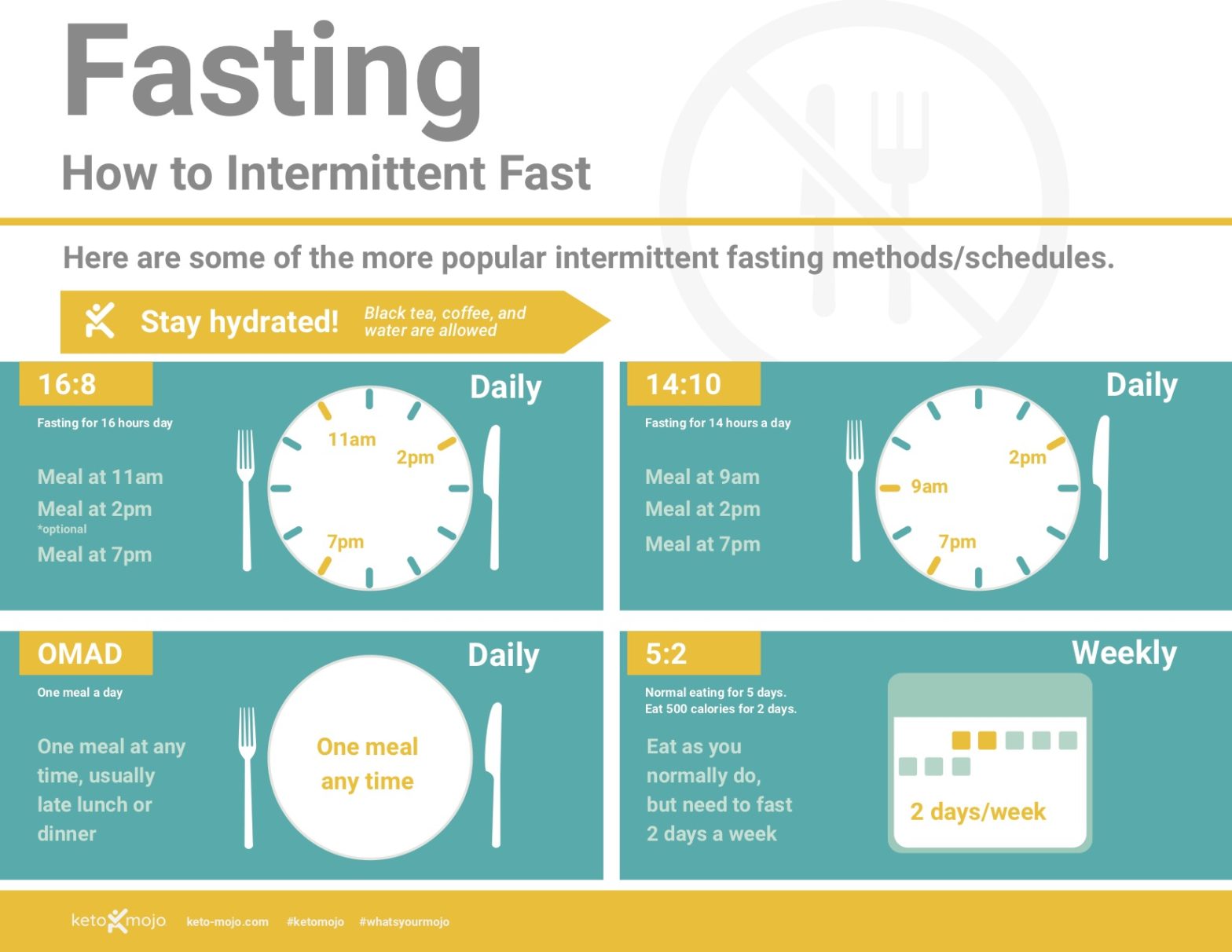
Intermittent Fasting: Unlock the Power of Your First Meal
Alright, friends! Ever stared into the abyss of your refrigerator after a long fast, wondering what magical elixir will both satisfy your hunger and keep you on track with your intermittent fasting goals? We've all been there. It's a crucial moment – that first meal can make or break your efforts. Choose wisely, and you'll feel energized and focused; choose poorly, and you might as well kiss your progress goodbye (along with battling the inevitable sugar crash!). It's like picking the right key for a very hungry padlock. But don't worry, this isn't some complicated scientific equation. Think of it as a delicious puzzle, and we're about to hand you the solution. Ready to unlock the secrets to breaking your fast like a pro? Let's dive in!
Intermittent Fasting: What to Eat When Breaking Your Fast
Fueling Your Body the Right Way After a Fast
Intermittent fasting (IF) has become increasingly popular as a method for weight loss, improved metabolic health, and even enhanced brain function. But here's the thing: the benefits of IF can be seriously undermined if you break your fast with the wrong foods. It's not just aboutwhenyou eat, butwhatyou eat that truly matters. Think of your body as a finely tuned engine. After a period of rest (the fast), you need to fuel it with the right kind of gasoline (nutrients) to get it running smoothly. Cheap, sugary gas? That's just going to clog the engine and leave you sputtering.
Why the First Meal Matters So Much
Your body is super sensitive after a fast. It's like it's been in hibernation and is now eagerly awaiting nutrients. This means it's primed to absorb everything more efficiently. While this sounds great, it also means that less-than-ideal choices will have a more pronounced impact. A sugary, processed meal will spike your blood sugar, leading to an energy crash later on and potentially derailing your efforts to regulate insulin levels. Conversely, a nutrient-dense, balanced meal will replenish your glycogen stores, stabilize your blood sugar, and leave you feeling satisfied and energized. It’s really that simple. It’s like choosing between a gentle nudge and a startling alarm clock to wake up; one sets you up for a good day, the other... not so much.
Breaking the Fast: A Guide to Delicious and Nutritious Choices
So, what should you actually eat when breaking your fast? Here's a breakdown of some excellent options, along with the "why" behind them:
Prioritize Protein
- Why it's important: Protein is crucial for satiety (feeling full), muscle repair, and overall metabolic function. It helps stabilize blood sugar levels and prevent those dreaded cravings that can lead to overeating. Think of it as the foundation of your meal – strong and reliable.
- Excellent choices: Eggs (a classic!), grilled chicken or fish, lean beef, Greek yogurt (unsweetened!), tofu, tempeh, and legumes (like lentils and chickpeas). Scramble some eggs with spinach and avocado, grill a salmon fillet with roasted vegetables, or whip up a protein-packed smoothie with Greek yogurt and berries.
- Real-life Example: Imagine Sarah, who always broke her fast with a sugary donut. She felt great for about 30 minutes, then crashed hard, reaching for more sugary snacks. Once she switched to a breakfast of scrambled eggs with vegetables and a side of avocado, she noticed a significant difference in her energy levels and felt full for hours.
Embrace Healthy Fats
- Why it's important: Healthy fats are essential for hormone production, brain function, and absorbing fat-soluble vitamins. They also contribute to satiety and can help slow down the absorption of glucose, preventing blood sugar spikes. Consider them the smooth operator that keeps everything running efficiently.
- Excellent choices: Avocado, nuts and seeds (almonds, walnuts, chia seeds, flax seeds), olive oil, coconut oil, and fatty fish (salmon, mackerel, sardines). Add avocado to your eggs, sprinkle nuts and seeds on your yogurt, drizzle olive oil on your salad, or cook with coconut oil.
- Real-life Example: Mark used to skip healthy fats altogether, focusing solely on carbs after his fast. He found himself constantly hungry and struggling to stay on track with his diet. Once he incorporated healthy fats like avocado and nuts into his meals, he felt more satisfied and had fewer cravings.
Load Up on Fiber-Rich Vegetables
- Why it's important: Fiber is your gut's best friend. It promotes healthy digestion, regulates blood sugar levels, and keeps you feeling full. It also helps sweep out toxins from your body. Think of it as the internal cleaning crew, keeping everything shipshape.
- Excellent choices: Leafy greens (spinach, kale, lettuce), broccoli, cauliflower, Brussels sprouts, bell peppers, asparagus, and berries. Add spinach to your omelet, roast broccoli with your chicken, or enjoy a handful of berries with your Greek yogurt.
- Real-life Example: Lisa used to avoid vegetables, thinking they were boring. She quickly learned that incorporating them into her meals not only made her feel better but also helped her manage her weight. She now starts her day with a green smoothie packed with spinach, kale, and berries, and she's never felt better.
Consider a Probiotic Boost
- Why it's important: Your gut microbiome plays a crucial role in overall health, including digestion, immunity, and even mental well-being. Fasting can impact your gut bacteria, so replenishing them with probiotics can be beneficial. Think of it as repopulating your inner ecosystem with helpful organisms.
- Excellent choices: Fermented foods like yogurt (unsweetened), kefir, sauerkraut, kimchi, and kombucha. Be mindful of added sugars, especially in kombucha. A small serving of sauerkraut with your lunch, a cup of kefir with your breakfast, or a shot of kombucha can make a big difference.
- Real-life Example: David struggled with bloating and digestive issues after breaking his fast. He started incorporating fermented foods like sauerkraut and kimchi into his diet and noticed a significant improvement in his gut health.
Hydrate, Hydrate, Hydrate
- Why it's important: Rehydrating after a fast is crucial for optimal bodily function. Water helps flush out toxins, transports nutrients, and keeps you feeling energized. It's like giving your internal systems a good rinse.
- Excellent choices: Water, herbal teas (unsweetened), bone broth, and sparkling water. Avoid sugary drinks and excessive caffeine, especially right after your fast. Start with a glass of water with lemon, sip on herbal tea throughout the morning, or enjoy a warm cup of bone broth.
- Real-life Example: Maria used to forget to drink water after her fast, often feeling sluggish and tired. Once she made a conscious effort to hydrate properly, she noticed a significant boost in her energy levels and overall well-being.
Foods to Avoid When Breaking Your Fast
Just as important as knowing what to eat is knowing what to avoid. These foods can sabotage your efforts and lead to unwanted side effects:
- Sugary foods and drinks: These cause rapid blood sugar spikes and crashes, leading to cravings and energy dips.
- Processed foods: These are often high in unhealthy fats, sugar, and sodium, and low in nutrients.
- Refined carbohydrates: White bread, pasta, and pastries are quickly digested, leading to blood sugar imbalances.
- Large meals: Overeating after a fast can overwhelm your digestive system and lead to discomfort.
Listen to Your Body
Ultimately, the best way to determine what works for you is to listen to your body. Pay attention to how different foods make you feel and adjust your diet accordingly. What works for one person may not work for another. Experiment with different options and find what fuels you best. Think of it as a personal science experiment – you are the scientist, and your body is the subject!
Practical Tips for Breaking Your Fast Successfully
Here are some additional tips to help you break your fast like a champion:
- Start small: Don't overwhelm your digestive system with a huge meal right away. Begin with a smaller portion and gradually increase it as you feel comfortable.
- Eat slowly and mindfully: Pay attention to your food and savor each bite. This will help you feel more satisfied and prevent overeating.
- Plan ahead: Prepare your meals in advance to avoid making impulsive, unhealthy choices when you're hungry.
- Be consistent: Sticking to a regular eating schedule can help regulate your blood sugar levels and prevent cravings.
Beyond the Food: The Mindset Matters
Breaking your fast isn't just about the food you eat; it's also about your mindset. Approach your first meal with intention and gratitude. Appreciate the nourishment you're providing your body and focus on enjoying the experience. Avoid feeling guilty or restricted, and instead, embrace a positive and sustainable approach to eating. Think of it as a celebration – a chance to refuel and recharge your body for the day ahead!
Expert Insights on Intermittent Fasting and Meal Timing
Let's delve deeper into the expert perspectives and current trends surrounding intermittent fasting and optimal meal timing. While anecdotal evidence is valuable, understanding the science behind these practices can further empower your choices.
The Role of Insulin Sensitivity
Many experts highlight the significance of insulin sensitivity in relation to intermittent fasting. During the fasting period, your insulin levels naturally decrease, allowing your body to tap into stored fat for energy. When you break your fast, your body becomes more sensitive to insulin, meaning it can utilize glucose more efficiently. This is why choosing foods that don't cause a rapid spike in blood sugar is crucial.
Chrononutrition and Meal Timing
Chrononutrition, the study of how meal timing affects our circadian rhythms and metabolism, is gaining increasing attention. Some research suggests that eating earlier in the day may be more beneficial for weight management and metabolic health. This aligns with the concept of breaking your fast with a balanced meal earlier in your eating window. However, more research is needed to fully understand the optimal timing for different individuals.
Individualized Approaches to IF
It's important to remember that intermittent fasting is not a one-size-fits-all approach. What works for one person may not work for another. Factors such as age, gender, activity level, and underlying health conditions can all influence the effectiveness and suitability of IF. Consulting with a healthcare professional or registered dietitian can help you determine if intermittent fasting is right for you and how to tailor it to your specific needs.
Future Trends in Intermittent Fasting Research
The field of intermittent fasting research is rapidly evolving. Future studies are likely to focus on:
- The long-term effects of IF on various health outcomes.
- The optimal duration and frequency of fasting periods.
- The impact of IF on different populations, such as athletes, older adults, and individuals with chronic diseases.
- The role of gut microbiome in mediating the benefits of IF.
Staying informed about the latest research can help you make evidence-based decisions about your diet and lifestyle.
Real-World Case Studies
Let's examine a couple of hypothetical case studies to illustrate the practical application of these principles:
Case Study 1: The Desk Job Warrior
Meet John, a 35-year-old office worker who wants to lose weight and improve his energy levels. He decides to try the 16/8 intermittent fasting method, eating between 12 pm and 8 pm.
- Incorrect Approach: John breaks his fast at 12 pm with a large pizza and a sugary soda. He feels good for a short period, but then experiences an energy crash in the afternoon, leading him to crave more junk food.
- Correct Approach: John breaks his fast at 12 pm with a grilled chicken salad with avocado, mixed greens, and a light vinaigrette dressing. He feels satisfied and energized throughout the afternoon, allowing him to focus on his work and avoid unhealthy snacking.
Case Study 2: The Fitness Enthusiast
Meet Emily, a 28-year-old fitness enthusiast who wants to optimize her performance and recovery. She also follows the 16/8 intermittent fasting method.
- Incorrect Approach: Emily breaks her fast with a protein shake made with artificial sweeteners and a sugary energy bar. She feels jittery and experiences digestive issues during her workout.
- Correct Approach: Emily breaks her fast with a smoothie made with protein powder, spinach, berries, almond milk, and a spoonful of almond butter. She feels sustained energy throughout her workout and recovers quickly afterward.
These case studies highlight the importance of choosing nutrient-dense, whole foods when breaking your fast to maximize your results.
Realistic Future Predictions
Looking ahead, here are some realistic predictions about the future of intermittent fasting:
- Increased Personalization: We'll see more personalized approaches to IF, taking into account individual factors like genetics, lifestyle, and health goals.
- Integration with Technology: Wearable technology and apps will play a greater role in tracking fasting periods, meal timing, and dietary intake.
- Greater Emphasis on Gut Health: The connection between IF and the gut microbiome will become increasingly recognized, leading to a greater focus on incorporating probiotic-rich foods into the diet.
- Wider Acceptance by Healthcare Professionals: As more research emerges, intermittent fasting will likely become more widely accepted by healthcare professionals as a safe and effective strategy for improving health and managing chronic diseases.
By staying informed and embracing a personalized approach, you can harness the power of intermittent fasting to achieve your health and wellness goals.
Putting it All Together: A Sample Meal Plan
To give you a concrete example, here's a sample meal plan for someone following a 16/8 intermittent fasting schedule, breaking their fast at 12 pm:
- 12:00 PM: Grilled salmon salad with mixed greens, avocado, and a lemon vinaigrette dressing.
- 3:00 PM: A handful of almonds and a small apple.
- 6:00 PM: Chicken stir-fry with brown rice and plenty of vegetables (broccoli, bell peppers, carrots).
This meal plan is just a suggestion, of course. Feel free to adjust it to your own preferences and dietary needs. The key is to focus on nutrient-dense, whole foods that will fuel your body and keep you feeling satisfied.
Common Questions About Breaking Your Fast
Let's tackle some frequently asked questions about breaking your fast:
Q: Can I drink coffee when I'm fasting?
A: Yes, black coffee is generally considered acceptable during a fast, as it contains very few calories and won't significantly impact your insulin levels. However, avoid adding sugar, cream, or milk, as these will break your fast.
Q: What if I accidentally eat something during my fasting period?
A: Don't panic! One slip-up won't ruin your progress. Just get back on track with your fasting schedule as soon as possible. It's more important to focus on consistency over the long term.
Q: Can I exercise while fasting?
A: Yes, many people find that exercising while fasting can be beneficial. However, it's important to listen to your body and adjust your workout intensity accordingly. If you feel weak or lightheaded, stop and eat something.
Q: How long should I wait before eating a larger meal after breaking my fast?
A: It's generally recommended to start with a smaller, easily digestible meal and then wait 30-60 minutes before eating a larger meal. This will give your digestive system time to adjust and prevent any discomfort.
And there you have it, friends! Everything you need to know about breaking your fast the right way. Remember, it's all about fueling your body with nutrient-dense foods that will keep you feeling energized, satisfied, and on track with your health goals.
We've covered a lot of ground today, from the importance of prioritizing protein and healthy fats to the benefits of fiber-rich vegetables and probiotic foods. We've also discussed what foods to avoid and provided practical tips for breaking your fast successfully. The key takeaway is that intermittent fasting is not just aboutwhenyou eat, but also aboutwhatyou eat.
Now it's your turn! I challenge you to put these principles into practice and experiment with different meal options to find what works best for you. Start small, listen to your body, and be patient with yourself. Intermittent fasting is a journey, not a destination.
Ready to unlock the power of your first meal? Go out there and make it happen! What delicious and nutritious meal will you choose to break your fast with tomorrow?

Post a Comment for "Intermittent Fasting: What to Eat When Breaking Your Fast"
Post a Comment