Intermittent Fasting: What to Eat When Breaking Your Fast
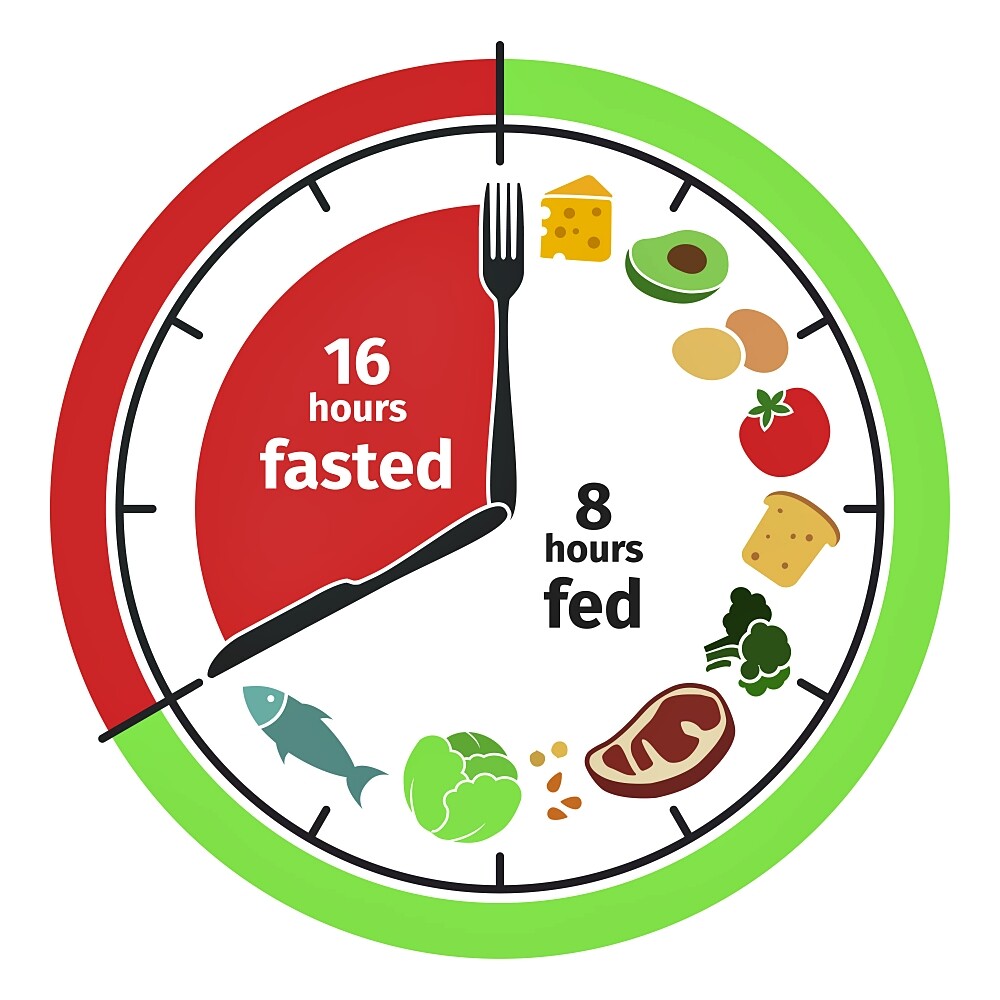
Intermittent Fasting: The Smart Way to Break Your Fast
Hey there, friend! Ever felt like your stomach is throwing a party the second your intermittent fasting window closes? You're not alone! We've all been there – that moment when you're finally "allowed" to eat, and suddenly, every craving you've ever had decides to show up at once. It’s like your body is screaming, "Pizza! Cake! Everything!" But hold on a second... Before you dive headfirst into that mountain of nachos, let's talk about how to break your fast thesmartway. Because, let's be honest, undoing all your hard work with a poorly planned feast is just a recipe for feeling sluggish, bloated, and maybe even a little guilty. Think of it this way: you've been driving a high-performance car (your body) on fumes for a while. You wouldn't just dump any old gas into the tank, would you? No way! You'd choose the premium stuff to keep it running smoothly. So why treat your body any differently?
Intermittent fasting (IF) has become incredibly popular, and for good reason! People are seeing amazing results – weight loss, improved energy levels, better mental clarity, and more. But the real magic happens not justduringthe fast, but also inhowyou break it. Imagine spending hours meticulously building a LEGO castle, only to have your toddler smash it to pieces in seconds. That’s kind of what a bad "breaking-the-fast" meal can do to your progress. It can spike your blood sugar, mess with your digestion, and leave you feeling worse than when you started. So, are you ready to learn the secrets to breaking your fast in a way that actuallysupportsyour health and helps you achieve your goals? Let's dive in and discover the delicious and nutritious ways to fuel your body after those fasting hours!
Breaking the Fast: A Guide to Delicious and Healthy Choices
Alright, friends, let's get down to business. You've successfully navigated your fasting window, and now it's time to refuel. But before you reach for that double cheeseburger (tempting, I know!), let's consider some strategies that will help you maximize the benefits of your intermittent fasting routine.
The Golden Rule: Ease In Gently
The most important thing to remember is toeaseyour body back into eating. After a period of fasting, your digestive system might be a little asleep.Overloading it with a huge, heavy meal can lead to discomfort, bloating, and even digestive issues. Think of it like waking up from a deep sleep – you wouldn't immediately jump into a marathon, would you? Start with something light and easily digestible.
- Hydrate First:
Begin by drinking a glass of water with a squeeze of lemon or a pinch of sea salt. This helps rehydrate your body and kick-starts your digestive system. It's like giving your engine a little warm-up before hitting the gas.
- Bone Broth:
Bone broth is a fantastic option. It's packed with nutrients, easy to digest, and helps soothe the gut. It's like a warm hug for your insides.
- Small Portion of Protein and Healthy Fats:
Think a small handful of nuts, a few slices of avocado, or a couple of tablespoons of Greek yogurt. These provide sustained energy without overwhelming your system.
Focus on Nutrient-Dense Foods
Now that you've eased your body back into eating, it's time to focus on nourishing it with nutrient-dense foods. This means choosing foods that are packed with vitamins, minerals, and antioxidants. Think of it as giving your body the building blocks it needs to thrive.
- Lean Protein:
Protein is essential for muscle repair and growth. Choose lean sources like chicken breast, fish, tofu, or legumes. Avoid processed meats, which can be high in sodium and unhealthy fats.
- Healthy Fats:
Healthy fats are crucial for hormone production, brain function, and overall health. Opt for avocados, nuts, seeds, olive oil, and fatty fish like salmon.
- Complex Carbohydrates:
Complex carbs provide sustained energy and are packed with fiber, which is important for digestion. Choose options like quinoa, brown rice, sweet potatoes, and oats.
- Fruits and Vegetables:
Load up on fruits and vegetables! They're packed with vitamins, minerals, and antioxidants that protect your body from damage. Aim for a variety of colors to get a wide range of nutrients.
Foods to Avoid (or Limit) When Breaking Your Fast
While it's important to focus on whattoeat, it's equally important to be mindful of whatnotto eat, especially when initially breaking your fast. Certain foods can sabotage your efforts and leave you feeling less than stellar.
- Processed Foods:
Processed foods are often high in sugar, unhealthy fats, and sodium, and low in nutrients. They can cause a rapid spike in blood sugar, followed by a crash, leaving you feeling tired and sluggish.
- Sugary Drinks:
Sugary drinks like soda and juice are a quick way to derail your progress. They provide empty calories and can lead to insulin resistance over time.
- Large Amounts of Refined Carbs:
Refined carbs like white bread, pasta, and pastries are quickly digested, leading to a rapid spike in blood sugar. Choose complex carbs instead.
- Heavy, Greasy Foods:
Heavy, greasy foods can be difficult to digest, especially after a period of fasting. They can cause bloating, indigestion, and discomfort.
Sample Meal Ideas for Breaking Your Fast
Need some inspiration? Here are a few sample meal ideas to get you started:
- Option 1:
Smoothie with protein powder, spinach, berries, almond milk, and chia seeds.
- Option 2:
Scrambled eggs with avocado and a side of berries.
- Option 3:
Grilled chicken salad with mixed greens, vegetables, and a light vinaigrette dressing.
- Option 4:
Oatmeal with nuts, seeds, and fruit.
Listen to Your Body
Ultimately, the best way to break your fast is to listen to your body. Pay attention to how different foods make you feel and adjust your meals accordingly. What works for one person may not work for another. Experiment with different options and find what makes you feel your best.
- Start Small:
Begin with a small portion and gradually increase your intake as needed.
- Eat Slowly:
Savor each bite and pay attention to your body's signals of fullness.
- Stay Hydrated:
Continue to drink plenty of water throughout the day.
The Importance of Mindful Eating
Intermittent fasting isn't just aboutwhatyou eat; it's also abouthowyou eat. Practicing mindful eating can enhance the benefits of your fasting routine and help you develop a healthier relationship with food. Mindful eating involves paying attention to your food, savoring each bite, and being aware of your body's hunger and fullness cues. It's about being present in the moment and enjoying the experience of eating.
- Eliminate Distractions:
Turn off the TV, put away your phone, and focus on your food.
- Chew Thoroughly:
Chew each bite slowly and deliberately, savoring the flavors and textures.
- Pay Attention to Your Senses:
Notice the colors, aromas, and textures of your food.
- Listen to Your Body:
Eat when you're hungry and stop when you're full.
Long-Term Strategies for Success
Intermittent fasting is a lifestyle, not a quick fix. To achieve long-term success, it's important to develop sustainable habits that you can maintain over time.
- Plan Your Meals:
Planning your meals in advance can help you make healthier choices and avoid impulsive decisions.
- Prepare Your Food:
Preparing your own food allows you to control the ingredients and portion sizes.
- Stay Consistent:
Stick to your fasting schedule as much as possible, even on weekends.
- Be Patient:
It takes time to see results, so be patient and don't get discouraged if you don't see changes immediately.
Adapting Intermittent Fasting to Your Lifestyle
One of the great things about intermittent fasting is its flexibility. You can adapt it to fit your individual lifestyle and preferences. Whether you prefer the 16/8 method, the 5:2 diet, or another approach, the key is to find a routine that works for you and that you can stick with long-term.
- Experiment with Different Schedules:
Try different fasting schedules to see what works best for your body and lifestyle.
- Adjust Your Eating Window:
Adjust your eating window to accommodate your work schedule and social life.
- Listen to Your Body:
Pay attention to how different fasting schedules affect your energy levels and overall well-being.
The Mental Game of Intermittent Fasting
Intermittent fasting is as much a mental game as it is a physical one. It requires discipline, willpower, and a positive mindset. It's important to be prepared for challenges, such as cravings and hunger pangs, and to develop strategies for overcoming them.
- Set Realistic Goals:
Set realistic goals for yourself and celebrate your successes along the way.
- Find a Support System:
Connect with others who are also practicing intermittent fasting for support and encouragement.
- Practice Self-Care:
Take care of your physical and mental health by getting enough sleep, managing stress, and engaging in activities you enjoy.
Beyond Weight Loss: The Other Benefits of Intermittent Fasting
While weight loss is a common motivation for starting intermittent fasting, it's important to recognize the other potential benefits it can offer.
- Improved Insulin Sensitivity:
Intermittent fasting can improve insulin sensitivity, which is important for preventing type 2 diabetes.
- Reduced Inflammation:
Intermittent fasting can reduce inflammation in the body, which is linked to a variety of chronic diseases.
- Enhanced Brain Function:
Intermittent fasting can enhance brain function, including memory and focus.
- Increased Longevity:
Some studies suggest that intermittent fasting may increase longevity by promoting cellular repair and reducing age-related diseases.
Intermittent Fasting: Is It Right for You?
While intermittent fasting can be a beneficial strategy for many people, it's not for everyone. It's important to consult with a healthcare professional before starting intermittent fasting, especially if you have any underlying health conditions.
- People with Diabetes:
Intermittent fasting can affect blood sugar levels, so it's important to monitor them closely.
- Pregnant or Breastfeeding Women:
Intermittent fasting is not recommended during pregnancy or breastfeeding.
- People with Eating Disorders:
Intermittent fasting can be triggering for people with a history of eating disorders.
So, remember, breaking your fast isn't just about satisfying your hunger; it's about nourishing your body and supporting your health goals. By following these tips and listening to your body, you can make the most of your intermittent fasting routine and unlock its full potential. Keep experimenting, stay consistent, and enjoy the journey to a healthier, happier you!
Questions and Answers About Breaking Your Fast
Let's tackle some common questions about breaking your fast.
Q: Can I drink coffee or tea during my fasting window?
A: Generally, yes, you can drink black coffee, plain tea (without milk or sugar), and water during your fasting window. These beverages are very low in calories and should not significantly impact your fast. However, be mindful of artificial sweeteners, as some people believe they can trigger an insulin response. It's always best to listen to your body and see how you react.
Q: What if I accidentally eat something during my fasting window?
A: Don't panic! It happens. One small slip-up isn't going to completely derail your progress. Just acknowledge it, learn from it, and get back on track with your next fasting window. Consistency is key, so don't let a minor setback discourage you.
Q: How long should I wait before eating a "normal" meal after breaking my fast?
A: It's generally recommended to wait at least 30-60 minutes after your initial, gentle "breaking the fast" meal before eating a larger, more substantial meal. This gives your digestive system time to adjust and prevents overloading it. Listen to your body's hunger cues and eat when you're truly hungry, not just because you think you should.
Q: Is it okay to break my fast with carbs if I've been craving them?
A: While it's tempting to satisfy those cravings, it's generally better to break your fast with a combination of protein, healthy fats, and complex carbohydrates. This helps stabilize your blood sugar and provides sustained energy. If you're craving carbs, opt for complex carbs like sweet potatoes, quinoa, or brown rice instead of refined carbs like white bread or pastries. You can always incorporate a small portion of your craving later in your eating window, but prioritize nutrient-dense foods when initially breaking your fast.
In Conclusion
So there you have it, friends! The key to maximizing the benefits of intermittent fasting isn't just aboutwhenyou eat, but alsowhatyou eat when you break your fast. Remember to ease in gently with hydrating fluids and light, easily digestible foods. Focus on nutrient-dense options like lean protein, healthy fats, complex carbs, and plenty of fruits and vegetables. Avoid processed foods, sugary drinks, and excessive amounts of refined carbs and heavy, greasy foods, especially when first breaking your fast. Pay attention to your body's signals, practice mindful eating, and develop sustainable habits that you can maintain over time. This journey of intermittent fasting is like tending a garden; consistent care and attention to detail yield the most fruitful results. You're not just changing your eating habits; you're cultivating a healthier, more vibrant you.
Now that you're armed with this knowledge, go forth and break your fast with confidence and intention! Experiment with different options, listen to your body, and find what works best for you.
Consider trying one new recipe this week that incorporates the principles we've discussed. You can find tons of inspiration online or even create your own delicious and nutritious meal.
Here's to a healthier, happier, and more energized you! Ready to make your next meal a success?

Post a Comment for "Intermittent Fasting: What to Eat When Breaking Your Fast"
Post a Comment