Home Workouts for Seniors: Staying Active at Any Age
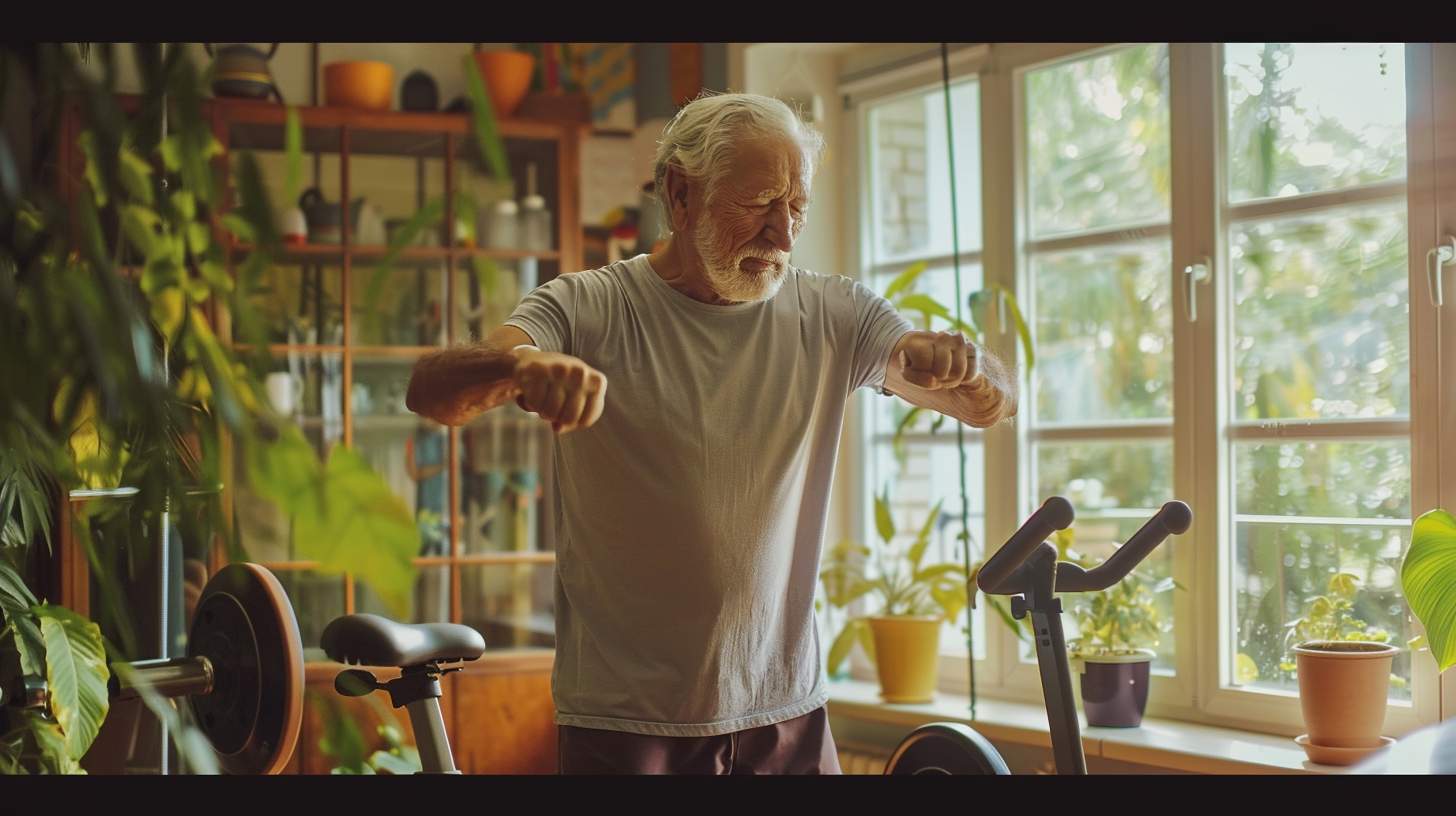
Step One: Title Creation
Home Workouts: Seniors Staying Strong at Any Age.
Step Two: Opening
Hey there, friends! Ever feel like your get-up-and-go got up and went? I know I do sometimes! As we gracefully age (and let's be honest, sometimes not so gracefully!), staying active can feel less like a choice and more like a Herculean task. But what if I told you that keeping fit doesn't require a gym membership, a personal trainer yelling in your ear, or even leaving the comfort of your own home?
We’ve all been there, haven’t we? The days where the couch seems like the most appealing destination, and the thought of anything more strenuous than reaching for the remote feels like a marathon. Maybe the knees are a bit creakier than they used to be, or perhaps that afternoon nap sounds far too tempting to resist. Trust me, I understand! The world of fitness sometimes seems tailored for the young and flexible, leaving us wondering where we fit in.
And let’s not forget the barrage of fitness ads showcasing impossibly toned bodies contorting into positions that would make a pretzel jealous. It’s easy to feel discouraged or think, "Well, that's not for me." But here's a little secret: fitness isn't about achieving the physique of a supermodel or an Olympic athlete. It's about feeling good, staying healthy, and enjoying life to the fullest, no matter your age or physical condition.
Think about it: staying active isn't just about physical strength; it's about independence. It’s about being able to carry your own groceries, play with your grandkids, tend to your garden, or simply climb the stairs without feeling winded. It's about maintaining the ability to do the things you love, for as long as possible.
And that’s where home workouts come in! They're accessible, convenient, and completely customizable to your individual needs and abilities. No fancy equipment required, no judgmental eyes, just you, your body, and a little bit of motivation. Think of your home as your personal fitness sanctuary, a safe and comfortable space where you can move at your own pace and on your own terms.
Now, I know what you might be thinking: "Home workouts? Sounds boring!" But that's where you're wrong! Home workouts can be surprisingly fun and engaging, especially when you find activities that you genuinely enjoy. Whether it’s dancing to your favorite tunes, stretching to release tension, or simply taking a brisk walk around your living room, there’s a home workout option out there for everyone.
Plus, the benefits of staying active as we age are undeniable. Regular exercise can improve cardiovascular health, strengthen bones and muscles, boost mood, sharpen cognitive function, and even reduce the risk of chronic diseases like diabetes and heart disease. It's like a magic pill, only without the side effects (except maybe a little bit of sweat!).
But here's the catch: knowing that exercise is good for you is one thing; actually doing it is another. The biggest challenge is often getting started and staying motivated. That’s why we’re going to explore practical strategies and easy-to-follow exercises that you can incorporate into your daily routine. We’ll break down the barriers and dispel the myths surrounding senior fitness, empowering you to take control of your health and well-being.
Imagine yourself feeling stronger, more energetic, and more confident in your own skin. Picture yourself enjoying life to the fullest, participating in activities you love, and maintaining your independence for years to come. That’s the power of home workouts, and it's within your reach. Are you ready to discover how to transform your home into your personal fitness oasis and unlock a healthier, happier you? Let's dive in!
Step Three: Article Content
Home Workouts: Seniors Staying Strong at Any Age
Alright friends, let's get real. We all know that exercise is good for us, but sometimes, just the thought of hitting the gym can be exhausting. And let's face it, gyms aren't always the most welcoming places for seniors. Between the loud music, complicated machines, and throngs of young, ultra-fit folks, it's easy to feel intimidated. That's where home workouts come to the rescue! They offer a safe, convenient, and customizable way to stay active without ever having to leave your living room. But where do you start? How do you create a home workout routine that's effective, safe, and, dare I say, even enjoyable? Let's explore some fantastic options.
Why Home Workouts are Perfect for Seniors
Before we dive into the exercises, let's take a moment to appreciate why home workouts are particularly beneficial for seniors. Besides the obvious convenience factor, they offer a host of other advantages:
• Safety First: You're in a familiar environment, reducing the risk of falls or injuries. No slippery gym floors or complicated equipment to navigate.
• Customization is Key: You can tailor your workouts to your specific needs and abilities. Whether you have joint pain, limited mobility, or other health concerns, you can modify exercises to suit your body.
• Cost-Effective: No gym fees, no expensive equipment – just you and your body. You can use household items like soup cans or water bottles as weights.
• Privacy and Comfort: No need to feel self-conscious or compare yourself to others. You can work out in your pajamas if you want to!
• Convenience and Consistency: No commute time, no waiting for equipment. You can squeeze in a workout whenever it fits into your schedule.
Getting Started: Essential Tips for Success
Before you jump into any workout routine, here are a few essential tips to keep in mind:
• Consult Your Doctor: Always talk to your doctor before starting a new exercise program, especially if you have any underlying health conditions. They can help you determine what types of exercises are safe and appropriate for you.
• Start Slow and Steady: Don't try to do too much too soon. Begin with short, gentle workouts and gradually increase the intensity and duration as you get stronger.
• Listen to Your Body: Pay attention to any pain or discomfort. If something doesn't feel right, stop immediately. It's better to err on the side of caution than to push yourself too hard and risk injury.
• Warm-Up and Cool-Down: Always warm up your muscles before each workout with some light cardio and stretching. After your workout, cool down with more stretching to prevent soreness.
• Stay Hydrated: Drink plenty of water before, during, and after your workouts.
• Wear Comfortable Clothing and Shoes: Choose clothes that allow you to move freely and shoes that provide good support.
• Find a Workout Buddy: Exercising with a friend or family member can make it more fun and help you stay motivated.
Effective Home Workouts for Seniors: A Step-by-Step Guide
Now, let's get to the good stuff! Here are some easy-to-follow home workout routines that you can incorporate into your daily life:
• Chair Exercises: Perfect for those with limited mobility or balance issues, chair exercises allow you to get a full-body workout while seated.
- Sit comfortably in a sturdy chair with your feet flat on the floor.
- Try arm raises, bicep curls (using light weights or soup cans), leg extensions, and seated marches.
- Perform 10-15 repetitions of each exercise, resting between sets.
• Walking: A simple yet effective way to improve cardiovascular health, walking can be done indoors or outdoors.
- Start with a short walk around your living room or backyard.
- Gradually increase the distance and pace as you get stronger.
- Aim for at least 30 minutes of walking most days of the week.
- Consider using a treadmill if the weather is bad or if you prefer to walk indoors.
• Stretching: Essential for flexibility, mobility, and preventing injuries, stretching can be done anytime, anywhere.
- Focus on stretching major muscle groups like your arms, legs, back, and shoulders.
- Hold each stretch for 20-30 seconds, breathing deeply.
- Avoid bouncing or forcing yourself into a stretch.
• Balance Exercises: Crucial for preventing falls, balance exercises can be easily incorporated into your daily routine.
- Stand near a sturdy chair or wall for support.
- Try standing on one foot for 10-15 seconds at a time, alternating legs.
- Practice heel-to-toe walking, placing one foot directly in front of the other.
- As you get better, try doing these exercises with your eyes closed.
• Strength Training with Resistance Bands: Resistance bands are an inexpensive and versatile tool for building strength.
- Choose bands with different resistance levels to challenge your muscles.
- Try exercises like bicep curls, tricep extensions, leg extensions, and rows.
- Perform 10-15 repetitions of each exercise, resting between sets.
- Make sure to maintain good form to avoid injuries.
• Yoga and Pilates: These mind-body practices can improve strength, flexibility, balance, and posture.
- Find beginner-friendly yoga or Pilates videos online or at your local community center.
- Modify poses as needed to accommodate your physical limitations.
- Focus on breathing deeply and moving slowly and mindfully.
Staying Motivated: Tips for Long-Term Success
Consistency is key when it comes to fitness. Here are some tips to help you stay motivated and make exercise a regular part of your life:
• Set Realistic Goals: Don't try to overhaul your entire lifestyle overnight. Start with small, achievable goals and gradually work your way up.
• Create a Schedule: Schedule your workouts like you would any other important appointment.
• Find Activities You Enjoy: Exercise shouldn't feel like a chore. Choose activities that you find fun and engaging.
• Reward Yourself: Treat yourself to something you enjoy after reaching a fitness milestone.
• Track Your Progress: Keep a record of your workouts and track your progress over time. This can help you stay motivated and see how far you've come.
• Don't Be Afraid to Modify: If you're having trouble with a particular exercise, don't be afraid to modify it or find an alternative.
• Be Patient: It takes time to see results. Don't get discouraged if you don't see changes immediately. Just keep showing up and doing your best.
Technology to the Rescue: Embracing Digital Fitness
In today's digital age, there's a wealth of online resources available to help seniors stay active. From workout videos to fitness apps, technology can be a powerful tool for motivation and guidance:
• Online Workout Videos: You Tube is a treasure trove of free workout videos specifically designed for seniors.
• Fitness Apps: There are numerous fitness apps that offer personalized workout plans, progress tracking, and motivational features.
• Virtual Fitness Classes: Many gyms and community centers now offer virtual fitness classes that you can participate in from the comfort of your own home.
• Wearable Fitness Trackers: These devices can track your steps, activity levels, and sleep patterns, providing valuable insights into your overall health.
Real-Life Success Stories: Inspiration from Fellow Seniors
Sometimes, the best motivation comes from hearing about the success stories of others. Here are a few examples of seniors who have transformed their lives through home workouts:
• Maria, 72: Maria started doing chair exercises after suffering a fall and losing some of her mobility. She now feels stronger, more confident, and more independent.
• John, 68: John started walking regularly after being diagnosed with diabetes. He has since lost weight, lowered his blood sugar levels, and improved his overall health.
• Susan, 75: Susan started practicing yoga to improve her flexibility and balance. She now feels more relaxed, less stressed, and has fewer aches and pains.
The Future of Senior Fitness: Staying Active for a Lifetime
As we continue to live longer, healthier lives, the importance of staying active in our senior years will only continue to grow. Home workouts offer a sustainable and accessible way to maintain our physical and mental well-being, allowing us to enjoy life to the fullest, regardless of our age or physical limitations. By embracing a proactive approach to fitness, we can empower ourselves to live longer, healthier, and more fulfilling lives.
Remember, friends, fitness is a journey, not a destination. There will be ups and downs, good days and bad days. But the most important thing is to keep moving, keep trying, and never give up on yourself. You've got this!
Step Four: Questions and Answers
Got questions? I've got (hopefully!) helpful answers. Let's tackle some common concerns about senior fitness.
• Question: I have arthritis. Can I still exercise?
- Answer: Absolutely! In fact, exercise is often recommended for people with arthritis. Low-impact activities like walking, swimming, and water aerobics can help reduce pain, improve joint mobility, and strengthen the muscles around your joints. Just be sure to listen to your body and avoid any exercises that cause pain.
• Question: I'm afraid of falling. Are there exercises I can do to improve my balance?
- Answer: Yes! Balance exercises are crucial for preventing falls. Simple exercises like standing on one foot, heel-to-toe walking, and practicing Tai Chi can significantly improve your balance and coordination. Always have a chair or wall nearby for support when starting out.
• Question: I don't have any fancy equipment. Can I still get a good workout at home?
- Answer: Of course! You don't need expensive equipment to get a great workout at home. You can use your own body weight for exercises like squats, push-ups (against a wall), and planks. You can also use household items like soup cans, water bottles, or resistance bands as weights.
• Question: How much exercise do I need to do to see results?
- Answer: The Centers for Disease Control and Prevention (CDC) recommends that seniors get at least 150 minutes of moderate-intensity aerobic activity or 75 minutes of vigorous-intensity aerobic activity each week, plus muscle-strengthening activities at least two days per week. But remember, even small amounts of exercise can have a positive impact on your health. Start slow and gradually increase the amount of exercise you do over time.
Closing
So, there you have it, friends! We've covered a lot of ground today, from the incredible benefits of home workouts for seniors to practical exercises you can start incorporating into your routine right away. Remember, staying active isn't about achieving perfection; it's about making a commitment to your health and well-being, one step at a time.
The beauty of home workouts lies in their accessibility and adaptability. You don't need a gym membership, expensive equipment, or even a lot of time to make a difference. Just a little bit of effort each day can have a profound impact on your physical and mental health, allowing you to live a longer, healthier, and more fulfilling life.
Now, I encourage you to take action! Pick one or two of the exercises we discussed today and commit to doing them for just 10-15 minutes each day. That's it! You might be surprised at how quickly you start to feel stronger, more energetic, and more confident.
And finally, remember this: age is just a number. You are capable of so much more than you think. Believe in yourself, listen to your body, and never stop moving forward. What small step will you take today towards a healthier, happier you?

Post a Comment for "Home Workouts for Seniors: Staying Active at Any Age"
Post a Comment