Home Workouts for Seniors: Staying Active at Any Age
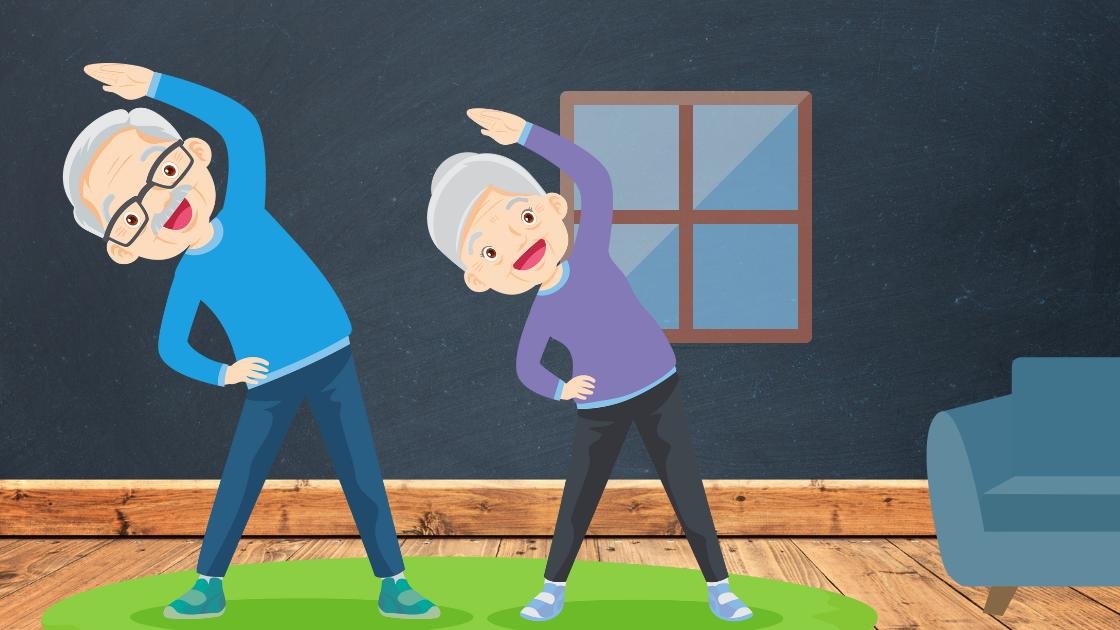
Step One: Title
Home Workouts: Seniors Staying Strong and Independent.
Step Two: Opening
Hey there, friends! Let's talk about something super important: staying active as we embrace our golden years. Now, I know what some of you might be thinking: "Home workouts? Me? I haven't done a proper workout since... well, since the invention of the hula hoop!" And that's okay! The beauty of home workouts for seniors is that they're not about becoming an Olympic athlete. They're about maintaining your independence, boosting your energy, and feeling fantastic, all from the comfort of your own living room.
Think about it: as we age, our bodies naturally start to lose muscle mass and bone density. This can lead to feeling weaker, more tired, and even increasing the risk of falls. I'm sure we all know someone who's experienced a fall, and the recovery can be a long and challenging process. But here's the good news: regular exercise can significantly slow down these age-related changes. We're not talking about turning back the clock, but wearetalking about winding it down a little! Think of it like this: your body is like a classic car – it needs regular maintenance to keep running smoothly. And what better place to give it that maintenance than your own home?
Now, I know what else you might be thinking: "I have aches and pains! Exercise will just make them worse!" And again, that's a valid concern. But the right kind of exercise, done safely and correctly, can actuallyreducepain and improve your range of motion. It's about finding exercises that workwithyour body, not against it. We're talking gentle stretches, light weightlifting, and maybe even a little chair yoga. No need to jump into a high-intensity Cross Fit class! We are talking about a way to stay strong in the golden years.
In fact, studies have shown that seniors who engage in regular physical activity have a lower risk of heart disease, stroke, diabetes, and even some types of cancer. Plus, exercise is a fantastic mood booster! It releases endorphins, which have mood-lifting effects and that can help reduce stress and improve sleep. Who wouldn't want a little more of that in their life?
So, why home workouts specifically? Well, for starters, they're incredibly convenient. No need to drive to a gym, deal with crowded classes, or worry about the weather. You can exercise whenever you have a free moment, in your pajamas if you want! Plus, home workouts can be easily tailored to your individual needs and abilities. If you have knee pain, you can modify exercises to be gentler on your joints. If you're just starting out, you can begin with very short sessions and gradually increase the duration and intensity as you get stronger.
But here's the thing: getting started can feel overwhelming. Where do you even begin? What exercises are safe and effective? How do you stay motivated? Don't worry, my friends, because that's exactly what we're going to explore in this article. We'll break down the best home workouts for seniors, offer practical tips for getting started safely, and provide inspiration to keep you moving and grooving, all while keeping you independent. So, buckle up, grab a glass of water, and let's dive in! Are you ready to discover the amazing benefits of home workouts and unlock a healthier, happier, and more independent you?
Step Three: Article Body
Alright, friends, let’s get down to business. We all know staying active is important, but sometimes getting out to a gym or class just isn't feasible. That’s where the beauty of home workouts comes in. They're convenient, customizable, and can make a world of difference in your overall health and well-being. But where do you even start? Let's break it down.
Getting Started Safely
Before we even think about lunges or bicep curls, let's talk safety. It's always better to be cautious and prevent injuries than to push yourself too hard and end up sidelined.
•Talk to Your Doctor:Seriously, this is the most important step. Before starting any new exercise program, chat with your doctor, especially if you have any underlying health conditions, such as heart problems, arthritis, or diabetes. They can give you personalized recommendations and ensure that exercise is safe for you. Think of it as getting the green light before you hit the road.
•Listen to Your Body:This sounds simple, but it's crucial. Pay attention to your body's signals. If you feel pain, stop immediately. Don't try to push through it. There's a difference between muscle soreness and actual pain. Respect your limits, and don't compare yourself to anyone else. Remember, this is aboutyourjourney.
•Start Slow and Gradually Increase: Rome wasn't built in a day, and neither is fitness. Start with short, gentle workouts, maybe just 10-15 minutes, and gradually increase the duration and intensity as you get stronger. It's like learning a new language – you don't start with Shakespeare, you start with hello.• Warm-Up and Cool-Down: These are non-negotiable. A warm-up prepares your muscles for exercise and reduces the risk of injury. Think of it as getting your engine ready for a drive. A cool-down helps your body recover and prevents muscle stiffness. Think of it as letting your engine cool down after a long trip.
•Proper Form is Key:It's better to do fewer repetitions with good form than to do a lot of repetitions with poor form. Poor form can lead to injuries. If you're not sure about the proper form for an exercise, watch videos online or consult with a physical therapist. Think of it like following a recipe – you want to get the ingredients and instructions right.
Essential Equipment (Or Lack Thereof!)
One of the best things about home workouts is that you don't need a fancy gym or expensive equipment. You can get a great workout with just a few basic items, or even just your body weight. Here are some suggestions:
•Comfortable Clothing and Shoes:Wear clothes that allow you to move freely and shoes that provide good support. Think about what you would wear for a comfortable walk.
•A Sturdy Chair:This will be your best friend for many exercises, providing support and stability. Make sure it's a chair without wheels!
•Light Weights:Start with light dumbbells or resistance bands. You can even use household items like soup cans or water bottles. The goal is to provide a little extra resistance, not to lift heavy weights.
•Resistance Bands:These are versatile and inexpensive, and they can be used for a variety of exercises. They come in different resistance levels, so you can gradually increase the challenge as you get stronger.
•A Yoga Mat:This provides a comfortable surface for floor exercises and stretches.
•Water Bottle:Stay hydrated! Drink water before, during, and after your workouts.
Effective Home Workout Exercises for Seniors
Now for the fun part! Here are some exercises that are particularly well-suited for seniors, focusing on strength, balance, and flexibility.
•Chair Squats:This is a great exercise for strengthening your legs and glutes. Sit on the edge of a chair with your feet flat on the floor. Stand up slowly, using your leg muscles to push yourself up. Then, slowly lower yourself back down to the chair. Repeat 10-15 times.
•Wall Push-Ups:This is a modified version of push-ups that's easier on your wrists and shoulders. Stand facing a wall, with your hands shoulder-width apart on the wall. Lean towards the wall, bending your elbows, and then push yourself back to the starting position. Repeat 10-15 times.
•Arm Raises:This exercise strengthens your shoulders and upper back. Stand with your feet shoulder-width apart and hold light weights in your hands. Raise your arms out to the sides, parallel to the floor, and then slowly lower them back down. Repeat 10-15 times. You can also do front raises, raising your arms straight in front of you.
•Calf Raises:This exercise strengthens your calf muscles and improves ankle stability. Stand with your feet flat on the floor and hold onto a chair for balance. Rise up onto your toes, lifting your heels off the floor, and then slowly lower yourself back down. Repeat 15-20 times.
•Marching in Place:This is a simple but effective exercise for improving circulation and leg strength. Stand with your feet shoulder-width apart and march in place, lifting your knees as high as you comfortably can. Continue for 1-2 minutes.
•Heel-to-Toe Walk:This exercise improves balance and coordination. Walk in a straight line, placing the heel of one foot directly in front of the toes of the other foot. Continue for 1-2 minutes.
•Chair Yoga:Yoga is fantastic for improving flexibility, balance, and strength. There are many chair yoga routines specifically designed for seniors. These routines involve gentle stretches and poses that are done while seated in a chair.
•Stretches:Don't forget to stretch! Hold each stretch for 20-30 seconds. Some good stretches for seniors include: Shoulder stretch: Reach one arm across your body and gently pull it towards you with your other arm.
Hamstring stretch: Sit on a chair with one leg extended straight out. Lean forward slightly, keeping your back straight.
Calf stretch: Stand facing a wall and place one foot slightly behind the other. Lean towards the wall, bending your front knee, until you feel a stretch in your calf.
Staying Motivated
Okay, so you know what to do, but how do you actually stick with it? Motivation can be tricky, especially when you're just starting out. Here are some tips for staying motivated:
•Set Realistic Goals:Don't try to do too much too soon. Start with small, achievable goals, such as exercising for 15 minutes three times a week. As you get stronger, you can gradually increase your goals.
•Find an Exercise Buddy:Exercising with a friend or family member can make it more fun and help you stay accountable. You can motivate each other and celebrate your successes together.
•Make it a Routine:Schedule your workouts into your day, just like you would any other important appointment. Put it on your calendar and treat it as a non-negotiable commitment.
•Reward Yourself:When you reach a goal, reward yourself with something you enjoy, such as a relaxing bath, a good book, or a healthy treat.
•Track Your Progress:Keep a record of your workouts and track your progress. Seeing how far you've come can be a powerful motivator.
•Make it Fun:Choose activities that you enjoy. If you hate running, don't force yourself to run. Find something that you look forward to doing. Maybe it's dancing, gardening, or even just walking around your neighborhood.
•Don't Get Discouraged by Setbacks:Everyone has days when they don't feel like exercising. Don't beat yourself up about it. Just get back on track the next day.
Adapting to Physical Limitations
It’s crucial to listen to your body and adjust exercises as needed. If you have arthritis, for example, consider low-impact exercises that are easier on your joints, such as swimming or walking. Modify exercises to accommodate your specific needs and limitations. It's also important to use assistive devices like canes or walkers if needed to prevent falls.
Nutrition's Role
Alongside exercise, nutrition is paramount. A balanced diet rich in fruits, vegetables, lean proteins, and whole grains provides the energy and nutrients needed to support your workouts and overall health. Consulting with a nutritionist or dietitian can provide personalized recommendations based on your specific needs.
Step Four: Questions and Answers
Here are some common questions seniors have about home workouts:
•Q:I have arthritis. Can I still exercise?
A: Absolutely! In fact, exercise can help to reduce pain and improve range of motion in people with arthritis. Focus on low-impact exercises like swimming, walking, or chair yoga. Be sure to talk to your doctor or physical therapist about what exercises are safe for you.
•Q:I'm afraid of falling. What can I do?
A: Start with exercises that improve your balance, such as heel-to-toe walks and standing on one foot. Hold onto a chair or wall for support if needed. You can also consider taking a balance class. Make sure your home is free of tripping hazards, such as loose rugs and clutter.
•Q:I don't have any equipment. Can I still get a good workout?
A: Yes! You can get a great workout using just your body weight. Chair squats, wall push-ups, and marching in place are all effective exercises that don't require any equipment. You can also use household items like soup cans or water bottles as weights.
•Q:How often should I exercise?
A: Aim for at least 150 minutes of moderate-intensity aerobic exercise per week, such as brisk walking. You should also do strength training exercises at least two days per week. Remember, it's okay to start slow and gradually increase the amount of exercise you do.
Step Five: Closing
So there you have it, friends! We've covered the essentials of home workouts for seniors, from getting started safely to choosing the right exercises and staying motivated. The key takeaway is that it's never too late to start, and even a little bit of exercise can make a big difference in your health and well-being. Home workouts can empower you to stay independent and maintain your quality of life.
Now, I encourage you to take action! Choose one or two of the exercises we discussed and try them out today. Start small, listen to your body, and most importantly, have fun! Schedule that doctor's appointment to get the green light, and then set aside 15 minutes to get your body moving. Consider the benefits that home workouts will bring.
Remember, you are stronger than you think, and you are capable of achieving amazing things. So, get moving, stay active, and embrace your golden years with energy and vitality. What exciting adventure will you take on with your newfound strength and independence?

Post a Comment for "Home Workouts for Seniors: Staying Active at Any Age"
Post a Comment