Menopause: Tips for Coping with Hot Flashes
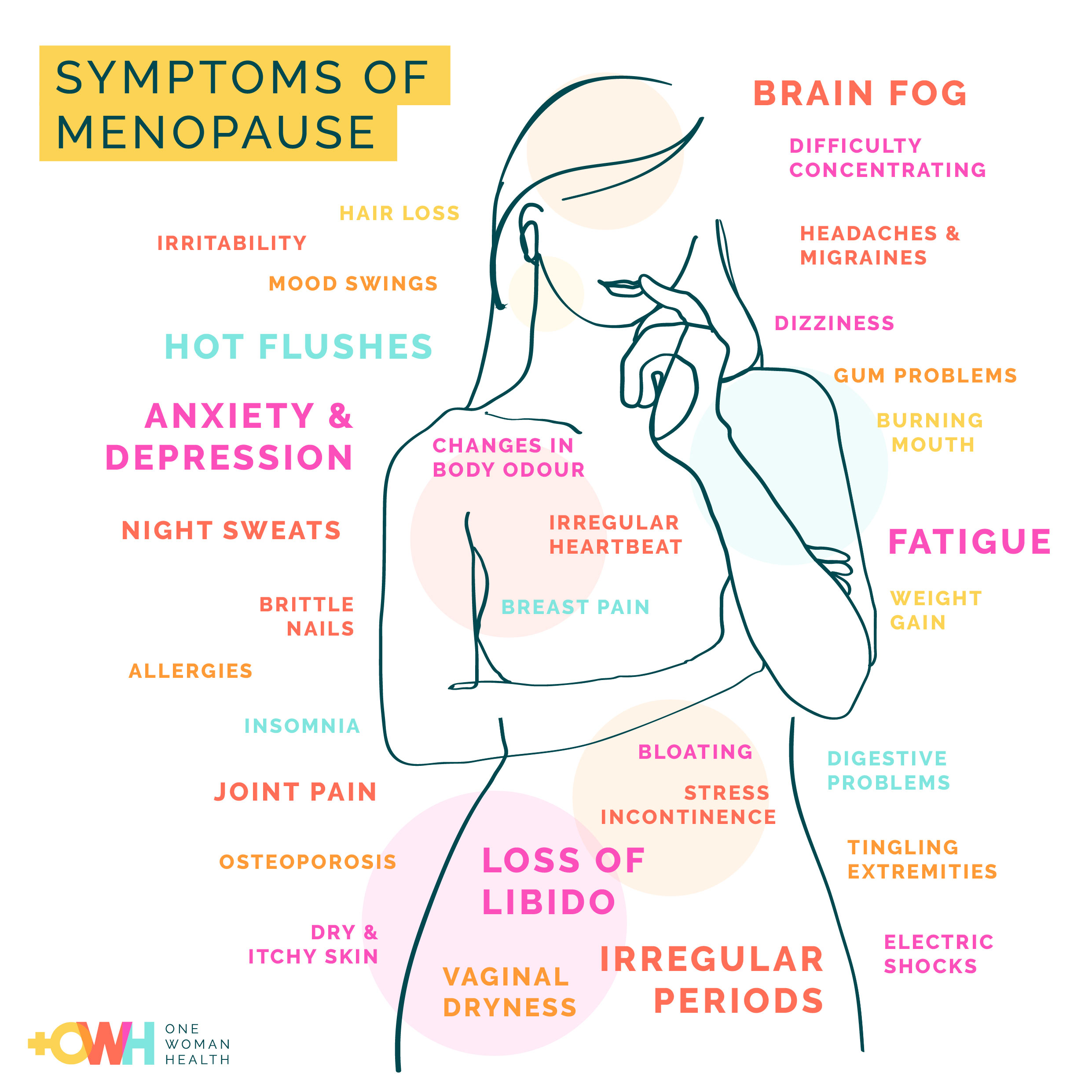
Conquering the Heat: Your Guide to Thriving Through Hot Flashes
Hey friends! Let's talk about something a whole lot of us women will experience, or alreadyareexperiencing: menopause, and specifically, those pesky hot flashes. Think of it as your internal thermostat going rogue. One minute you're perfectly comfortable, the next you're suddenly feeling like you've been transported to the surface of the sun. Fun times, right? Imagine you're at a crucial meeting, perfectly poised, and BAM! A wave of heat washes over you, turning your face as red as a tomato. Or picture yourself snuggled under the covers, finally drifting off to sleep, only to be jolted awake by a sudden, intense heat surge. Sound familiar? This isn't just about feeling a little warm; it’s about the disruption, the discomfort, and the sheer unpredictability of these fiery episodes. It's like your body is playing a cruel joke, and nobody likes a joke they didn't sign up for. We're not just talking about a minor inconvenience here; hot flashes can seriously impact your quality of life. They can disrupt your sleep, leaving you feeling exhausted and irritable. They can affect your concentration, making it hard to focus at work or even enjoy your favorite hobbies. And let's be honest, they can be downright embarrassing, especially when they strike at the most inopportune moments. Think about it: that important presentation, a romantic dinner, or even just trying to relax with friends. Suddenly, you're sweating, flushed, and desperately fanning yourself, hoping nobody notices. Ugh.
But before you resign yourself to a life of ice packs and sweatbands, take heart! The good news is, you're not alone, and there are absolutely things you can do to manage and even minimize these unwelcome visitors. Think of this as your personal survival guide to navigating the hot flash jungle. Because let’s face it, menopause is a journey, not a destination, and knowledge is power. We're talking practical, actionable strategies that you can implement today to start feeling more comfortable and in control. We're going to delve into lifestyle adjustments, dietary tweaks, natural remedies, and even explore some medical options. Forget those vague, unhelpful tips you find on random websites. We're diving deep, giving you the real deal on what works, what doesn't, and how to tailor your approach to your individual needs. This isn’t just about surviving menopause; it's about thriving through it. It's about reclaiming your comfort, your confidence, and your overall well-being. It's about feeling like yourself again, even with a few hormonal hiccups along the way. So, if you're ready to say "enough is enough" to those disruptive hot flashes and learn how to take back control, stick with me. What if, by the end of this article, you had a personalized toolkit of strategies that could significantly reduce the frequency and intensity of your hot flashes? Intrigued? Let’s get started!
Taming the Flames: Practical Tips for Hot Flash Relief
Okay, friends, let's get down to business. We're going to explore a variety of strategies you can use to manage those pesky hot flashes. Remember, what works for one person may not work for another, so it's all about finding what suits you best. Think of it as experimenting with different tools in your toolbox until you find the ones that get the job done.
• Dress in Layers: Your Personal Climate Control. This is a classic tip for a reason: it works! Think of yourself as an onion, with multiple layers you can peel off (or add) as needed. Opt for breathable fabrics like cotton, linen, and silk. Synthetic fabrics can trap heat and make things worse. A light cardigan or jacket can be your best friend. When that flash hits, you can quickly shed a layer to cool down. Imagine you're at a restaurant and suddenly feel the heat rising. Discreetly remove your jacket and fan yourself with the menu. Crisis averted! The goal is to be prepared for anything, so you're always comfortable, no matter what.
• Keep Cool: Your Inner Oasis. Creating a cool environment is crucial. Lowering the thermostat, using fans, and even investing in a portable air conditioner can make a huge difference. At night, consider a cooling mattress pad or pillow. You can even try putting your sheets in the freezer for a few minutes before bedtime for an extra burst of coolness. Think about it: climbing into a bed of crisp, chilled sheets on a hot summer night. Pure bliss! Carrying a small, portable fan in your purse can also be a lifesaver when you're out and about.
• Hydrate, Hydrate, Hydrate: Your Internal Sprinkler System. Dehydration can worsen hot flashes, so make sure you're drinking plenty of water throughout the day. Aim for at least eight glasses of water. Herbal teas, infused water, and even water-rich fruits and vegetables like watermelon and cucumbers can also help you stay hydrated. Picture this: you're feeling that familiar heat creeping up. Instead of panicking, you take a slow, deliberate sip of cool water. Ahhh, instant relief!
• Mindful Breathing: Your Instant Calm Button. Deep, slow breathing exercises can help regulate your nervous system and reduce the intensity of hot flashes. When you feel a hot flash coming on, take a few deep breaths, inhaling slowly through your nose and exhaling slowly through your mouth. Focus on your breath and try to relax your muscles. Imagine you're a balloon, slowly inflating and deflating with each breath. This simple technique can help you regain control and ride out the wave.
• Dietary Adjustments: Fueling Your Body Right. Certain foods and drinks can trigger hot flashes, so it's important to identify your personal triggers and avoid them. Common culprits include caffeine, alcohol, spicy foods, and sugary drinks. On the other hand, some foods can actually help reduce hot flashes. These include foods rich in phytoestrogens, such as soy products, flaxseeds, and legumes. Picture yourself enjoying a delicious tofu stir-fry packed with vegetables and healthy fats. You're not only satisfying your taste buds, but you're also nourishing your body and helping to keep those hot flashes at bay.
• Regular Exercise: Your Internal Regulator. Regular physical activity can help regulate your hormones and reduce the frequency and intensity of hot flashes. Aim for at least 30 minutes of moderate-intensity exercise most days of the week. This could include walking, swimming, cycling, or yoga. Think of exercise as your internal thermostat, helping to keep your body temperature stable and balanced. Plus, it's a great way to reduce stress and improve your overall mood.
• Stress Management: Your Inner Sanctuary. Stress can definitely exacerbate hot flashes, so finding healthy ways to manage stress is essential. This could include yoga, meditation, spending time in nature, or engaging in hobbies you enjoy. Think of stress management as building a fortress around yourself, protecting yourself from the triggers that can set off those fiery episodes. A few minutes of mindfulness meditation each day can make a world of difference.
• Acupuncture: Your Ancient Ally. Acupuncture is a traditional Chinese medicine technique that involves inserting thin needles into specific points on the body. Some studies have shown that acupuncture can be effective in reducing hot flashes. Think of it as rebalancing your body's energy flow and restoring harmony. It's worth exploring as a potential option, especially if you're looking for a natural and holistic approach.
• Herbal Remedies: Nature's Pharmacy. Certain herbs, such as black cohosh, red clover, and evening primrose oil, have been traditionally used to treat hot flashes. However, it's important to talk to your doctor before taking any herbal supplements, as they can interact with other medications and may not be safe for everyone. Think of herbal remedies as gentle, natural support for your body's own healing processes.
• Talk to Your Doctor: Your Personalized Roadmap. If your hot flashes are severe and interfering with your quality of life, talk to your doctor about medical options. Hormone therapy (HT) is the most effective treatment for hot flashes, but it's not right for everyone. Your doctor can help you weigh the risks and benefits and determine if HT is the right choice for you. There are also non-hormonal medications that can help reduce hot flashes. Think of your doctor as your guide, helping you navigate the complex terrain of menopause and find the best path forward for you.
Your Burning Questions Answered
Let's tackle some common questions about hot flashes:
Q: How long do hot flashes typically last?
A: The duration of hot flashes varies greatly from woman to woman. Some women experience them for only a few months, while others may have them for several years. The average duration is around 7 years, but it can be longer for some.
Q: Are there any specific triggers I should be aware of?
A: Yes, common triggers include caffeine, alcohol, spicy foods, stress, and hot weather. Keeping a journal to track your hot flashes and identify your personal triggers can be very helpful.
Q: Can hot flashes affect my sleep?
A: Absolutely! Night sweats, which are hot flashes that occur at night, can disrupt your sleep and lead to insomnia. Creating a cool and comfortable sleep environment, practicing relaxation techniques, and avoiding caffeine and alcohol before bedtime can help improve your sleep.
Q: Is hormone therapy the only effective treatment for hot flashes?
A: While hormone therapy is the most effective treatment, it's not the only option. Non-hormonal medications, lifestyle changes, and alternative therapies like acupuncture and herbal remedies can also provide relief. Talk to your doctor to determine the best treatment plan for you.
Cooling Down and Moving Forward
So, there you have it, friends! A comprehensive guide to understanding and managing those fiery hot flashes. We've explored practical strategies, dietary adjustments, lifestyle changes, and even touched on medical options. Remember, menopause is a journey, and hot flashes are just one part of the experience. By understanding your body, identifying your triggers, and implementing these strategies, you can take control and thrive during this transition.
Now, I want to challenge you to take action! Choose one or two of the tips we've discussed today and commit to implementing them this week. Whether it's dressing in layers, practicing mindful breathing, or cutting back on caffeine, take that first step towards a cooler, more comfortable you. You deserve to feel good, and you have the power to make a difference.
Remember, you are strong, you are resilient, and you are not alone on this journey. Embrace this chapter of your life with confidence and grace. What small change will you make today to start feeling more comfortable and in control? Go get 'em!

Post a Comment for "Menopause: Tips for Coping with Hot Flashes"
Post a Comment