Will You Pay 10% More for Coca-Cola? The Sugar Shift Could Change Everything
The Possible Return of Cane Sugar in Coca-Cola
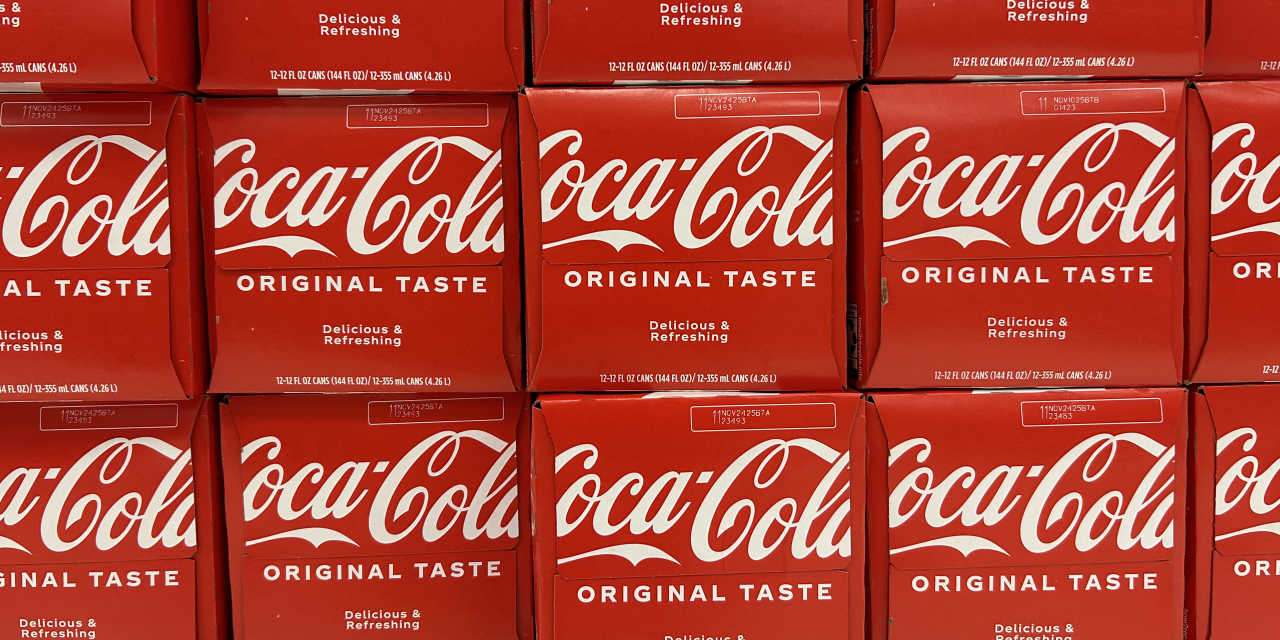
Some fans of the iconic Coca-Cola brand may be excited by the possibility that the soft drink could once again be sweetened with cane sugar instead of high-fructose corn syrup. This idea was recently brought up by former President Donald Trump, who posted on Truth Social, stating that the version made with cane sugar is “just better.” However, there are several factors that could affect this potential change and its impact on consumers.
Cost Implications of Switching to Cane Sugar
One major concern is the cost. Experts in the food industry suggest that products using cane sugar may become more expensive because it is generally pricier than high-fructose corn syrup. According to Bryan Quoc Le, a food scientist and consultant, the price increase for foods and beverages that currently use high-fructose corn syrup could be as high as 10%. For a regular consumer who drinks one 12-ounce can of Coke per day, this could translate to an additional $20 annually based on current average pricing.
The impact of such a switch could extend beyond just Coca-Cola. Many other products, including bread, pastries, and condiments, often contain high-fructose corn syrup. If companies decide to replace this ingredient, the overall cost of groceries could rise further, adding to the existing challenges of food inflation that consumers have already faced in recent years.
Potential for a Broader Industry Shift
There is a growing concern about the health risks associated with high-fructose corn syrup. Robert F. Kennedy Jr., head of the Department of Health and Human Services, has repeatedly warned about these risks and has even vowed to ban the ingredient. This could encourage more companies to consider switching to cane sugar, especially if regulatory actions make high-fructose corn syrup less viable.
However, not all experts believe that companies will rush to make the switch. Lee, another industry analyst, noted that unless a true ban is imminent, the cost difference may not be worth the potential benefits. While some consumers prefer cane sugar, many are indifferent to the difference between the two sweeteners.
Coca-Cola's Response and Uncertainty
Despite Trump’s comments, Coca-Cola has not officially announced any changes to its formula. The company did acknowledge Trump’s enthusiasm for the brand but did not confirm any plans to switch to cane sugar. In a statement released earlier this week, Coca-Cola said, “We appreciate President Trump’s enthusiasm for our iconic Coca-Cola brand. More details on new innovative offerings within our Coca-Cola product range will be shared soon.”
Coca-Cola also declined to comment on the matter, citing a quiet period before its earnings release. This leaves the future of the product uncertain, with no official confirmation from the company.
Real-World Examples and Challenges
Not all companies are necessarily passing on increased costs to consumers. For example, Langer Juice Company switched from high-fructose corn syrup to cane sugar in its cranberry juice cocktail several years ago without raising prices, even though manufacturing costs increased by about 50 cents per 64-ounce container. The company chose to maintain competitiveness in the market.
However, Bruce Langer, president of the company, warned that the switch could be costly for other brands. He pointed out that there is a limited global supply of cane sugar, with much of it coming from Brazil. A proposed 50% tariff on Brazilian imports under the Trump administration could further complicate things.
Langer also emphasized that if more companies opt for cane sugar, the laws of supply and demand could drive up prices significantly. “I think the pricing would shoot up,” he said, highlighting the potential economic consequences of a widespread shift.
Conclusion
While the prospect of returning to cane sugar in Coca-Cola may appeal to some consumers, the potential cost increases and supply chain challenges could make this transition complex. As the situation develops, consumers will likely be watching closely to see whether the promise of a sweeter, healthier drink comes with a higher price tag.

Post a Comment for "Will You Pay 10% More for Coca-Cola? The Sugar Shift Could Change Everything"
Post a Comment