Why You Drink Florida Oranges but Eat California's
The Shift in the American Orange Industry
In recent years, the American orange industry has undergone a significant transformation, with the balance of power shifting between two major producers: Florida and California. Both states have long histories of citrus cultivation that date back to the 19th century. For much of the last century, Florida was the dominant player, producing more oranges than any other state. From the 1940s through the mid-2010s, Florida held the title of the nation’s largest citrus producer, with oranges being a key component of its agricultural output.
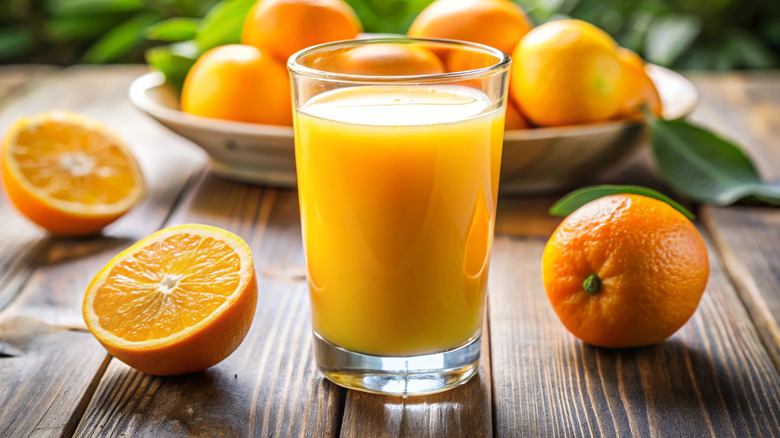
However, despite Florida's dominance in production, whole oranges from the state were rarely found on grocery store shelves—especially in Florida itself. This is because most of the oranges grown in Florida are used for juice and processing rather than being sold fresh. One of the main reasons for this is the state's wet climate, which results in particularly juicy oranges that are ideal for making juice. However, these oranges are not seedless and can be difficult to peel by hand, making them less appealing for direct consumption.
In contrast, California produces navel oranges, which are seedless and easier to peel, making them a popular choice for snacking. The state’s Mediterranean climate also contributes to the sweetness and flavor of its oranges, further distinguishing them from their Florida counterparts. These natural differences in climate and fruit characteristics have historically led to different uses for each state’s oranges.
Challenges Facing Florida’s Orange Production
Despite Florida’s historical advantage, the state’s orange industry has faced significant challenges in recent years. The production of oranges in Florida has dropped dramatically, with figures showing a 95% decline from its peak levels by 2025, according to the USDA. While hurricanes have played a role in this decline, the biggest threat has been a disease known as citrus greening, or Huanglongbing (HLB).
Citrus greening is caused by a bacterium spread by an Asian insect called the Asian citrus psyllid. Once infected, citrus trees produce smaller, sour fruits and eventually die. The disease first appeared in Florida in 2005 and has since devastated the state’s citrus industry, leading to a 75% drop in production even before the impact of recent disasters.
As a result, California has emerged as the new leader in orange production, surpassing Florida in output. In fact, Florida now accounts for less than half of the orange juice found in most store-bought products. To fill the gap left by declining Florida production, imported oranges from countries like Mexico and Brazil have become increasingly common in the U.S. market.
The Future of Orange Production
While California has so far been spared the worst effects of citrus greening, the threat remains. Farmers and researchers are working to develop resistant citrus varieties and implement new management strategies to protect the state’s orchards. For now, however, the majority of the oranges consumers enjoy as snacks come from California, where the conditions are more favorable for growing high-quality, seedless fruit.
The shift in the orange industry highlights how environmental factors, disease, and changing consumer preferences can reshape entire agricultural sectors. As both Florida and California continue to adapt to these challenges, the future of American orange production will likely depend on innovation, resilience, and the ability to respond to evolving threats.

Post a Comment for "Why You Drink Florida Oranges but Eat California's"
Post a Comment