Why Baking Soda Is Harmful to Your Skin Despite Being "Natural"
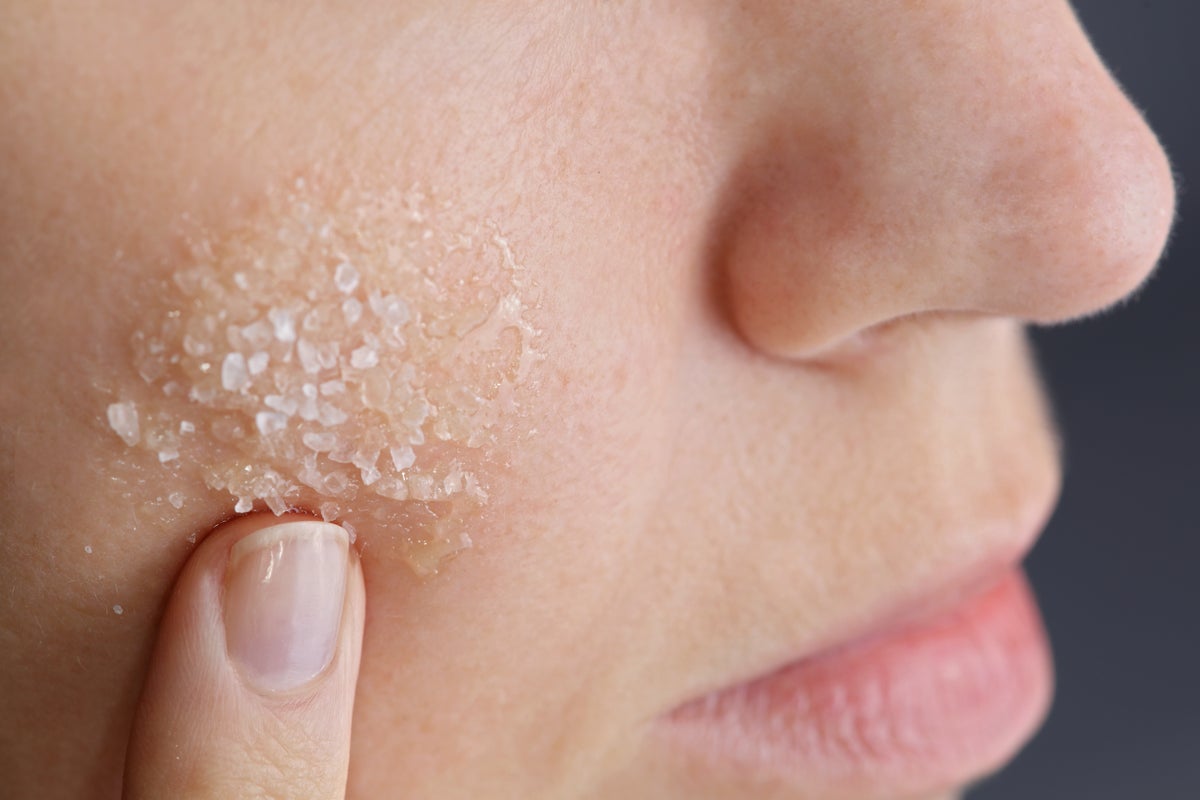
The Risks of DIY Beauty: Why Kitchen Ingredients Can Be Dangerous for Your Skin
In the age of social media, it's common to see influencers promoting unconventional beauty remedies. From baking soda scrubs to garlic spot sticks and cayenne masks, these "natural" fixes are gaining popularity. The idea is simple: why spend money on expensive skincare products when you can use ingredients from your pantry? However, what seems like a harmless DIY hack can quickly turn into a painful or even dangerous experience.
The appeal of using everyday items lies in their perceived safety and affordability. Many believe that if something is edible, it must be safe for the skin. But this assumption is often incorrect. While some ingredients may have antimicrobial or exfoliating properties, they are not designed for topical application. In fact, raw spices and household items can be far too harsh for the delicate acid mantle that protects your skin.
The Science Behind Safe Skincare
Professional cosmetic chemists work to isolate biologically active compounds from plants and blend them at precise concentrations that match the skin’s natural pH. This process ensures that the final product is both effective and safe. On the other hand, a spoonful of cayenne pepper or a pinch of baking soda offers none of this control. Applying these substances directly to your skin can lead to chemical burns, rashes, or long-term damage.
One of the main issues with using kitchen ingredients is concentration. For example, a teaspoon of baking soda has nothing in common with a safety-tested cleanser that might contain less than 1% sodium bicarbonate. These cleansers are also balanced with humectants and acids to ensure they are gentle on the skin. Raw baking soda, however, is highly alkaline and can disrupt the skin’s natural pH, leading to irritation and breakouts.
The Dangers of Baking Soda
Baking soda, while often praised for its antibacterial and antifungal properties, is actually highly alkaline. Normal skin has a pH range of 4.5 to 5.5, but applying an alkaline paste can cause significant disruption. Studies have shown that bicarbonate pastes do not relieve psoriasis symptoms and can even cause serious health issues, such as hypokalaemic metabolic alkalosis in babies. This condition can lead to seizures and coma.
Some influencers claim that baking soda is safe for treating burns, but there are documented cases of severe skin damage, including deep burns and tissue death, when applied to injured skin. Additionally, there have been reports of baking soda being used as a DIY cancer therapy, which is extremely dangerous. High oral doses can disrupt heart rhythm and even cause death.
Garlic: A Double-Edged Sword
Garlic, often touted as a natural antibiotic, contains sulfur compounds that can act like caustic chemicals. Direct application of raw garlic has led to allergic or irritant dermatitis, and in some cases, third-degree burns on the lips and eyelids. While research on allicin, a compound found in garlic, shows promise as an antimicrobial agent, these studies were conducted in controlled lab settings using purified extracts, not raw cloves.
Chilli Peppers: Capsaicin Is Not a Beauty Hack
Capsaicin, the fiery molecule found in chilli peppers, is licensed for use in nerve-pain creams but only at strictly managed strengths. Home kitchens lack the precision needed to safely apply capsaicin. Even those who handle chillies daily can develop conditions like Hunan hand, a painful burning dermatitis. Some beauty hacks still recommend cayenne masks for radiance, but airborne or topical capsaicin can cause eye irritation, corneal injury, and lung inflammation.
Repeated use of capsaicin can damage peripheral nerve fibers, dulling the ability to feel heat or pain. It can also affect blood pressure, especially in people with underlying health issues.
Other Spices: More Than Just a Flavor
Even milder spices like cinnamon and ginger can pose risks. Cinnamon is known to cause contact dermatitis and chemical burns, while ginger "glow" masks often result in red, irritated skin. Clove oil, marketed as a spot cure, has produced caustic injuries, and saffron can cause allergic rashes. Turmeric, while celebrated for its anti-inflammatory benefits, can lead to dermatitis and bright yellow staining that lasts for days.
The Importance of Patch Testing
Dermatologists recommend patch-testing any new skincare product, even "pure" essential oils, on the inner arm for 48 hours. Powdered spices can also become airborne, causing irritation to the eyes and airways. A cinnamon scrub, for example, can fill the air with irritant dust that leads to sneezing and soreness rather than a glowing complexion.
Protecting Your Skin Barrier
Dermatologists emphasize the importance of protecting the skin barrier. Gentle, pH-balanced cleansers and moisturizers help maintain the acid mantle that defends against germs. Healthcare professionals can guide you toward proven plant-based ingredients like niacinamide, aloe vera, or colloidal oatmeal, which offer skin benefits without the risk of irritation.
Next time an influencer promotes a DIY beauty hack, remember that not everything that's edible is safe for your skin. Everything is a chemical, and while some belong on your dinner plate, very few belong on your face.

Post a Comment for "Why Baking Soda Is Harmful to Your Skin Despite Being "Natural""
Post a Comment