What’s the Point of Watching 'My 600-lb Life'?
The Repetitive Pattern of My 600-lb Life
Like most reality TV shows, like most TV shows, and like most storytelling, TLC’s My 600-lb Life relies on a predictable and unchanging format. However, the way this particular show expresses its repetitiveness is uniquely disheartening. The structure mirrors the tradition of celebrating Fat Tuesday before Lent in cities like New Orleans: a period of indulgence is followed by a period of restraint. In the case of the show, fasting refers not only to abstaining from certain foods but also to achieving the effects of a fast through surgical intervention.
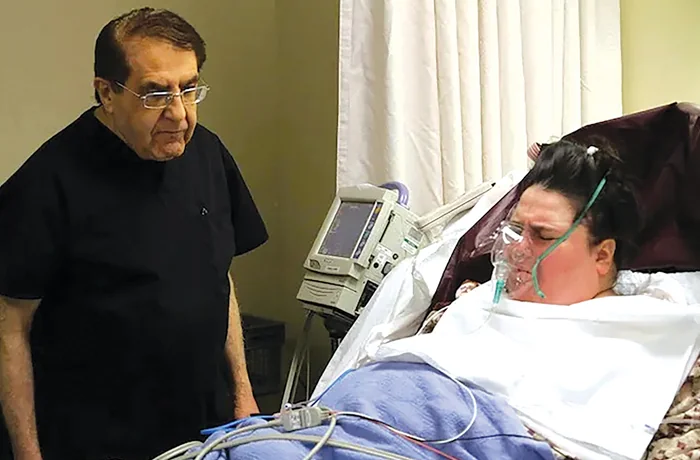
Despite its repetitive nature, watching the show’s star, Houston surgeon Dr. Younan Nowzaradan, and his patients seeking weight loss surgery remains as addictive as eating a box of Twinkies with soda. Since its debut in 2012, the show has made Dr. Now a cult figure, widely known as Dr. Now. It has also spawned a similar series, The 6000 Lb Diaries with Doctor Now, on Lifetime. Both series portray a nation filled with people who are constantly adding to the ranks of the morbidly obese.
Each episode introduces individuals who have eaten themselves into a state of extreme obesity. While their condition may have genetic, familial, or traumatic origins, by the time the cameras arrive, they are adults capable of making better food choices. Yet, many continue to rely on fast food, whether from drive-thru windows or delivered to their homes, or even greasy meals cooked at home.
From what is shown on camera, these individuals seem to be overweight in a voluntary way, much like how some populations are homeless. When their health begins to decline or mobility becomes an issue, they turn to Dr. Now for a gastric bypass operation. No episode can ever be considered truly inspiring, even those that end with a success story — a surgery that results in noticeable weight loss. This is because we know that the next episode will feature another person struggling with the same habits, leading them back to the same situation until they seek surgery.
Some of the people on the show are literally gluttons for punishment. After satisfying every craving, they seek atonement through Dr. Now’s scrutiny and the promise of gastric bypass surgery. In television terms, there is an entertaining dynamic between the scowling, relatively slim Dr. Now and the group of pleading, bedraggled patients who travel to his office in Houston.
If they come from far away, their journey feels like a pilgrimage. Their destination is the scale in Dr. Now’s office, where the readings often surprise them. Nurses then lead the stunned patient into the examination room to wait for Dr. Now. He typically starts with a deceptively friendly greeting, “Hello — how y’all doin’?” before launching into what feels like an interrogation. Eating habits are scrutinized, and sometimes criticized, while those accompanying the patient risk being labeled “enablers” based on their role in providing food.
At this point, many realize that surgery is not imminent. Dr. Now usually requires initial weight loss through diet and moderate exercise as a prerequisite for surgery. These methods rarely work quickly, as the diets are often ignored. When they do, my sympathy shifts from Dr. Now to the patient. I wonder why they don’t continue with the old-fashioned approach if they’re already losing weight. Why not keep going?
Dr. Now’s strict persona contributes to his appeal, much like Judge Judy or Dr. Phil. His quotes appear on T-shirts and mugs, including “There is no protein in mashed potato.” His range of reactions — disbelief, annoyance, and silence — to the excuses he hears daily seems righteous. However, there is something unsettling about the emphasis on weight loss. Binge-watching My 600-lb Life makes the overweight subjects seem less objectionable than the way their weight is treated as the core of their identity.
When patients fail to lose weight, they are often referred to “psychotherapy,” which includes cringe-inducing sessions linking being fat to personal problems. While many of these people have issues, so do all people. Overeating and a difficult childhood don’t necessarily correlate.
Dr. Now is right to criticize the habits he encounters, but some of the show’s most memorable moments come when patients challenge him and the system they’ve signed up for. One man, after gastric bypass surgery, argues that he doesn’t eat a third of what he used to and throws up constantly. Another woman sarcastically comments on her partner’s weight loss, highlighting the tension between necessary diets and quality of life.
Ultimately, the show reflects our society’s addiction to food, medical interventions, and reality TV. There are numerous pathologies embedded in this high-carb narrative: our laziness, our indulgence, our trust in doctors, and our inability to look away from a car wreck. It's a complex reflection of our culture, one that continues to captivate and provoke.

Post a Comment for "What’s the Point of Watching 'My 600-lb Life'?"
Post a Comment