What's the Difference Between Red 40 and Red 40 Lake?
Understanding the Difference Between Red 40 and Red 40 Lake
If you’ve ever checked food labels, you may have noticed both “red 40” and “red 40 lake” listed as ingredients. While their names are similar, they serve different purposes in food manufacturing. This distinction is important for producers but often goes unnoticed by consumers. The question typically arises among people with food allergies, dietary restrictions, or those simply curious about what’s in their processed foods.
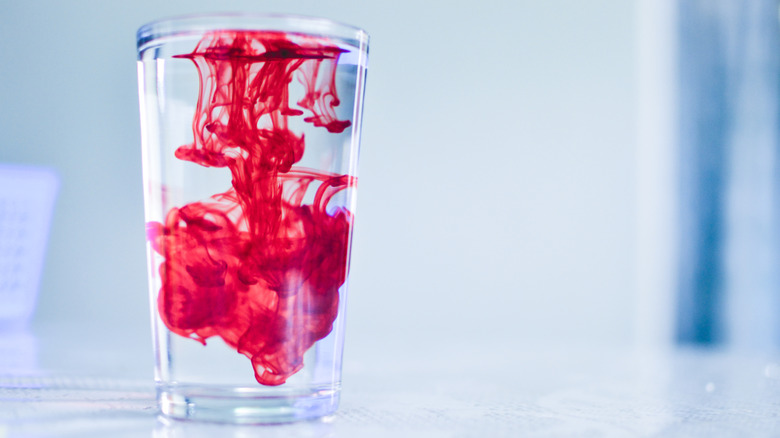
Both dyes are derived from the same base compound, allura red AC, but they differ in chemical form and application. Red 40 is a water-soluble dye synthesized from petroleum, known for its vibrant red color. It dissolves easily in water, making it ideal for use in beverages, yogurts, and other liquid-based products. In contrast, red 40 lake is created by binding the dye to an insoluble mineral salt, usually aluminum. This results in a fine, stable powder that doesn’t dissolve in water, making it more suitable for dry products like candy and gum.
Manufacturers choose between these two forms based on how the dye will perform in a product. Factors such as solubility, color retention, and surface coating influence their decision. For consumers, the difference is largely technical, affecting the color, texture, and shelf life of the product without being explicitly mentioned on ingredient lists.
The Evolution of Food Dyes
Long before synthetic dyes became common, early cooks used natural pigments like pomegranate, beet juice, annatto, and paprika. These sources were not always reliable, as they could fade in sunlight, change color with heat, or alter the flavor of food. Carmine, derived from cochineal insects, was another option during the late 19th and early 20th centuries, though it required labor-intensive production.
In the 1960s, red no. 2 (amaranth) and red no. 3 (erythrosine) gained popularity. However, concerns over potential health risks led to reduced use, bans, or replacements. Some snacks still contain red no. 3 today.
Red 40 emerged in the 1970s as the preferred synthetic red dye due to its stability, vivid color, and perceived safety at approved levels. Its production from petroleum makes it cost-effective and scalable, allowing manufacturers to create consistent, long-lasting products. Unlike natural pigments, petroleum-based dyes do not fade, alter flavor, or change under bright light or high heat. This reliability has made synthetic coloring a staple in nearly every processed food aisle.
The Psychology of Color in Food
Brightly colored foods are often more appealing, and this isn’t a coincidence. Food dyes like red 40 and red 40 lake are added to attract attention and signal sweetness, flavor, or fun—especially in products marketed to children. Studies suggest that people tend to perceive more vibrant foods as tastier or fresher, even when the actual flavor remains unchanged. The color, therefore, plays a significant role in shaping consumer desire and driving sales.
This marketing strategy has sparked debate. Some researchers and consumer groups have raised concerns about possible links between synthetic dyes and hyperactivity or allergic reactions. While large-scale studies have not consistently found health risks at typical exposure levels, some countries have begun requiring warning labels or banning certain dyes as a precaution. In the United States, red 40 remains widely used and approved by the FDA as of July 2025.
The Role of Artificial Coloring in Modern Food
For most shoppers, the distinction between red 40 and red 40 lake is not immediately visible. The broader question is whether food needs so much artificial color at all and who benefits from its presence. Removing dyes would change the appearance of grocery aisles, but the flavors and nutritional content of most products would remain the same. The value of artificial red, in many cases, lies not in the act of eating but in the perception of the food itself. Would a hot Cheeto, for example, seem as flavorful if it weren’t bright red? The answer may lie in the psychology of color and the power of visual appeal in the food industry.

Post a Comment for "What's the Difference Between Red 40 and Red 40 Lake?"
Post a Comment