What Is a Soft Opening and Why Do Restaurants Use It?
Understanding the Concept of a Soft Opening
If you've ever heard about a restaurant's soft opening, it might have been from a new eatery in your neighborhood or a high-profile chef launching a new dining concept. While some of these ventures have ended up as major flops, the term "soft opening" is often misunderstood. What exactly does it mean, and why do restaurants choose to go through this process?
Maricel Gentile, chef and owner of Maricel's Kitchen and author of "Maricel's Simply Asian Cookbook," shared her insights with The Takeout on what a soft opening entails and its importance for new restaurants.
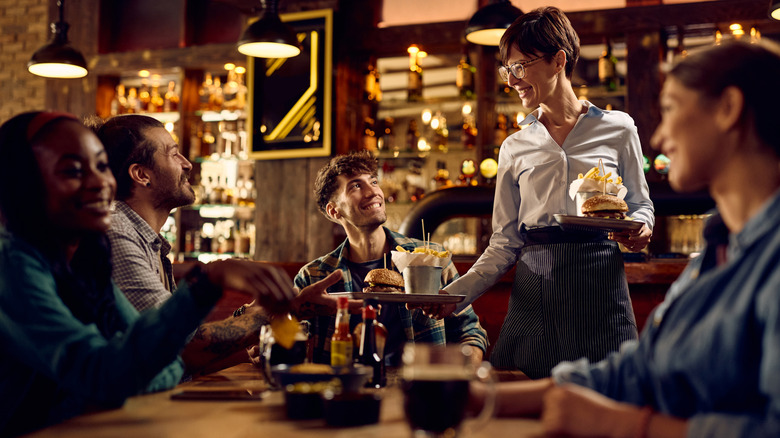
A soft opening is typically an exclusive event where a smaller group of people are invited to dine before the official grand opening. This allows the restaurant team to test various aspects of their operations. According to Gentile, "Soft openings are a rehearsal." They provide an opportunity for the kitchen staff to fine-tune timing, address any menu issues, and train front-of-house staff on service flow. Additionally, they offer real-time feedback on dishes, which can be crucial before critics and large crowds arrive.
One of the main areas that get adjusted during a soft opening is the food itself. For instance, if dishes aren't coming out at the right temperature or if certain items are not well-received, changes can be made. "Menus often get trimmed or rejiggered based on what sells, what cooks reliably, or what needs more prep work," Gentile explained. She also noted that other elements like kitchen layouts, seating configurations, and even lighting or music may be tweaked based on guest feedback or staff observations.
The key benefit of conducting a soft opening is that it allows the team to identify and resolve potential problems without risking the restaurant’s brand reputation. It’s a low-stakes environment where mistakes can be made and corrected before the public sees them.
Another advantage of a soft opening is the potential for publicity. By inviting friends, family, local influencers, and media, restaurants can generate word-of-mouth buzz. Social media teasers from early guests can create curiosity and anticipation, positioning the restaurant as exclusive and desirable.
How Soft Openings Work
Soft openings, also known as soft launches, typically occur within two weeks of a restaurant's grand opening. They can last anywhere from a couple of days to a few weeks. A restaurant that skips this step is said to have a "hard opening." Regardless of the duration, the soft opening must allow enough time for adjustments based on the trial period. However, if it extends too long, there's a risk that public interest may fade.
In many cases, the invitees for a soft opening include friends and family of the owners and staff, as well as local influencers, media, and critics. Sometimes, members of the public are also invited. During this time, the restaurant may serve either the full menu or a reduced version that highlights signature dishes. Different menus might be tested on different days to gauge customer reactions.
Prices during a soft opening can vary. Some restaurants charge the full price, while others may offer reduced rates or even free meals. The goal is to gather feedback and understand what works and what doesn’t. Unless a restaurant intentionally wants to be unkind to its customers, they usually ask attendees for feedback either in person or through online surveys after the event.
For those interested in more food and drink content, joining The Takeout's newsletter offers access to taste tests, news, deals, recipes, and cooking tips.

Post a Comment for "What Is a Soft Opening and Why Do Restaurants Use It?"
Post a Comment