Unpasteurized vs. Pasteurized: Food Safety Insights
Understanding the Debate Around Pasteurization
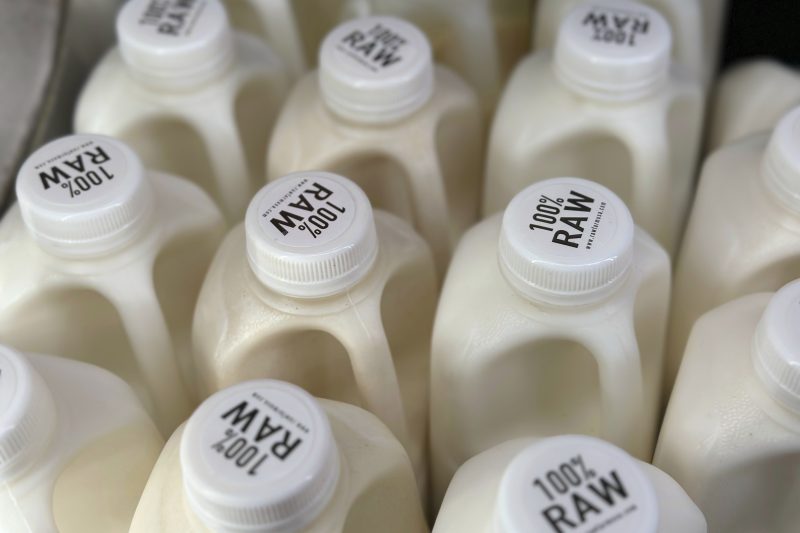
Pasteurization, a food processing method that has been in use for over a century, is currently under intense scrutiny. This technique involves heating food to a specific temperature for a set period to eliminate harmful bacteria and viruses. While it has significantly reduced the risk of foodborne illnesses, there is a growing movement advocating for the consumption of unpasteurized products, particularly raw milk.
This debate has gained attention from high-profile individuals, including Health and Human Services Secretary Robert F. Kennedy Jr., who has spoken about his preference for unpasteurized milk. Similarly, celebrities like Gwyneth Paltrow have also promoted the benefits of raw milk, contributing to the rising interest in this alternative.
The Science Behind Pasteurization
According to the Centers for Disease Control and Prevention (CDC), pasteurization is a critical process that helps ensure the safety of various food products. Dairy items such as milk, eggs, and juices, along with canned foods, flour, honey, and alcohol, are commonly pasteurized. This process effectively kills harmful microbes that can cause serious illnesses like listeriosis, typhoid fever, tuberculosis, diphtheria, Q fever, and brucellosis.
The Food and Drug Administration (FDA) highlights that pasteurization not only enhances food safety but also has minimal effects on the nutritional value, flavor, and appearance of food. The CDC emphasizes that pasteurized milk provides the same essential nutrients as raw milk without the associated risks.
The Risks of Unpasteurized Foods
Despite the claims made by some advocates of raw milk, most medical professionals and experts caution against its consumption. They argue that the potential health risks far outweigh any perceived benefits. The CDC and FDA have both issued warnings that raw milk can harbor dangerous bacteria that may lead to illness or even death.
A recent non-peer-reviewed study conducted by UK scientists examined the stability of the H5N1 avian influenza virus in raw cow and sheep milk. The research found that the virus could remain infectious for over a day at room temperature and more than a week when refrigerated. This raises significant concerns about the potential for human infection through contaminated milk.
Benefits and Drawbacks of Raw Milk
Some individuals believe that raw milk and other unpasteurized products offer health benefits because they are closer to their natural state. For example, Cliff McConville, a raw milk farmer, claims that consuming raw milk has improved his health, reducing the frequency of colds and flu. However, these personal anecdotes do not constitute scientific evidence of safety or efficacy.
The National Library of Medicine notes that while pasteurization may slightly alter the flavor and appearance of food, it does so minimally. The primary advantage of pasteurization is the elimination of harmful pathogens, which is crucial for public health.
Conclusion
As the debate around pasteurization continues, it is essential for consumers to be informed about the risks and benefits of both pasteurized and unpasteurized foods. While some may prefer the taste or perceived health benefits of raw milk, the scientific consensus clearly supports the importance of pasteurization in ensuring food safety. Public health officials urge Americans to choose pasteurized products to minimize the risk of foodborne illnesses. As research continues, it remains vital to prioritize safety and make informed choices when it comes to the food we consume.

Post a Comment for "Unpasteurized vs. Pasteurized: Food Safety Insights"
Post a Comment