Trump's Venous Insufficiency: Key Facts About a Common Condition
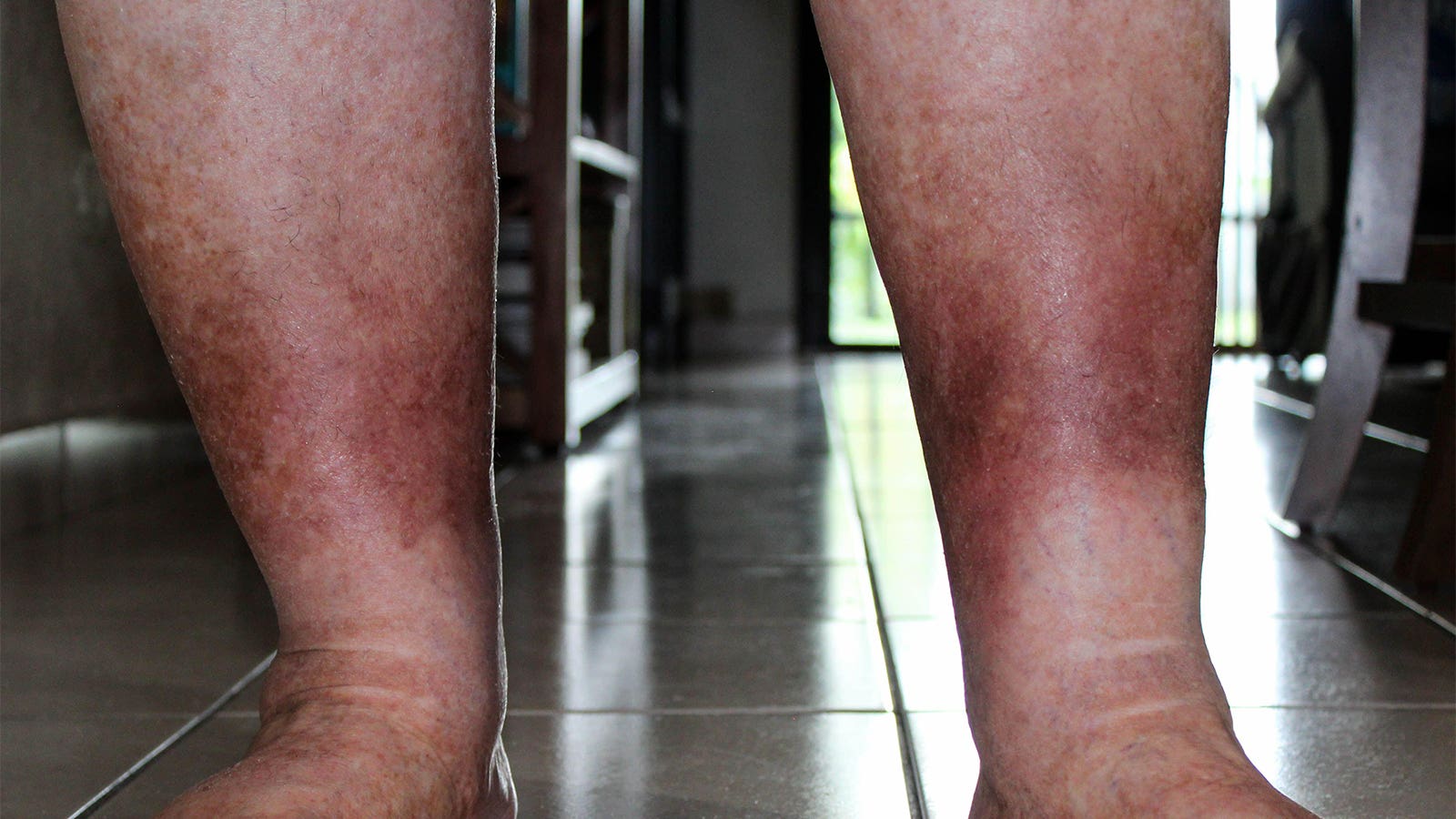
Understanding Chronic Venous Insufficiency
Chronic venous insufficiency (CVI) has recently come into the spotlight, particularly after a White House announcement regarding President Trump's diagnosis. This condition, which affects the venous system, has sparked widespread interest and discussion among medical professionals and the general public alike.
CVI is a common disorder among older adults, with estimates suggesting that between 10% to 35% of American adults are affected. The condition arises when leg veins become damaged, impairing their ability to properly manage blood flow. As a result, it becomes more challenging for blood to return to the heart, leading to symptoms such as leg discomfort, swelling, and discoloration.
Experts have emphasized that while CVI is generally not life-threatening, it can significantly impact a person's quality of life. According to Dr. Robert Attaran from Yale School of Medicine, CVI can lead to inflammation and leg ulcers if left untreated. Similarly, Dr. Robert Eberhardt from Boston Medical Center noted that the condition often presents with varicose veins and leg swelling, which can cause discomfort, especially after prolonged standing.
The underlying causes of CVI include non-acute venous obstruction, reflux, muscle pump dysfunction, or a combination of these factors. Dr. Attaran explained that dysfunctional valves in the legs are a primary cause, though blockages in deep veins can also contribute. Over time, these issues may worsen, prompting individuals to seek treatment.
Dr. Ronald Winokur from Weill Cornell Medicine highlighted that CVI encompasses any chronic venous disorder, including varicose and spider veins. While most of these conditions are asymptomatic, some patients may experience discomfort. It is important to note that CVI is distinct from cardiovascular disease, as it primarily affects the venous system rather than the arteries or heart.
Experts have clarified that while there may be correlations between CVI and long-term cardiovascular risks, this is likely due to shared risk factors such as age and obesity, rather than CVI itself causing heart attacks or strokes. Dr. Winokur pointed out that the presence of CVI may indicate other risk factors that could predispose individuals to heart or vascular disease.
In addition, Dr. Ramona Gupta from Northwestern Medicine suggested that the inactivity associated with CVI could contribute to obesity, hypertension, and worsening peripheral arterial health.
Managing Chronic Venous Insufficiency
The management of CVI typically focuses on reducing the pooling of blood in the leg veins. If left untreated, cases of CVI can progress to more severe complications, such as inflammation and lipodermatosclerosis, which involves thickening and hardening of the skin. The most concerning outcome is the development of venous ulcers, which require careful treatment to heal and prevent recurrence.
Initial treatment strategies for CVI often include leg elevation, exercise, a low-salt diet, and long-term compression therapy. Compression stockings are considered a cornerstone of conservative management, with effective options featuring high compression at the ankle that gradually decreases toward the heart. Dr. Stephanie Woolhandler from Hunter College emphasized the importance of proper compression in managing symptoms.
For cases that do not respond to conservative measures, noninvasive testing is typically performed to assess anatomic and pathophysiologic features. This helps guide more advanced treatment options. In some instances, surgical or minimally invasive procedures may be necessary.
Dr. Winokur highlighted the elimination of saphenous veins, which can be done using outpatient ultrasound-guided procedures such as endovenous laser or radiofrequency thermal ablation. These methods are considered safe and effective, with minimal downtime. For patients who have experienced prior deep vein thrombosis, the insertion of a metal stent may be appropriate to improve blood flow and alleviate symptoms.
Overall, modern procedures for treating CVI are generally safe and require little recovery time, according to Dr. Attaran.
Additional Considerations
It is worth noting that President Trump's visible bruising on his hands was unrelated to his CVI and was attributed to his persistent use of aspirin for primary prevention. Experts have clarified that aspirin is not used to treat CVI. However, it can increase the risk of bruising, even with low doses.
While aspirin is commonly used for cardiovascular prevention, its role in CVI is limited. Dr. Eberhardt noted that on rare occasions, aspirin may be used to help prevent thrombosis. It is most frequently prescribed for cardiovascular disease, particularly in those at risk for heart disease to prevent ischemic complications. Although its use in primary prevention is less favored today, it remains a common indication in certain cases.

Post a Comment for "Trump's Venous Insufficiency: Key Facts About a Common Condition"
Post a Comment