Trump Says Coke Is Switching to Cane Sugar, But Is It Better?
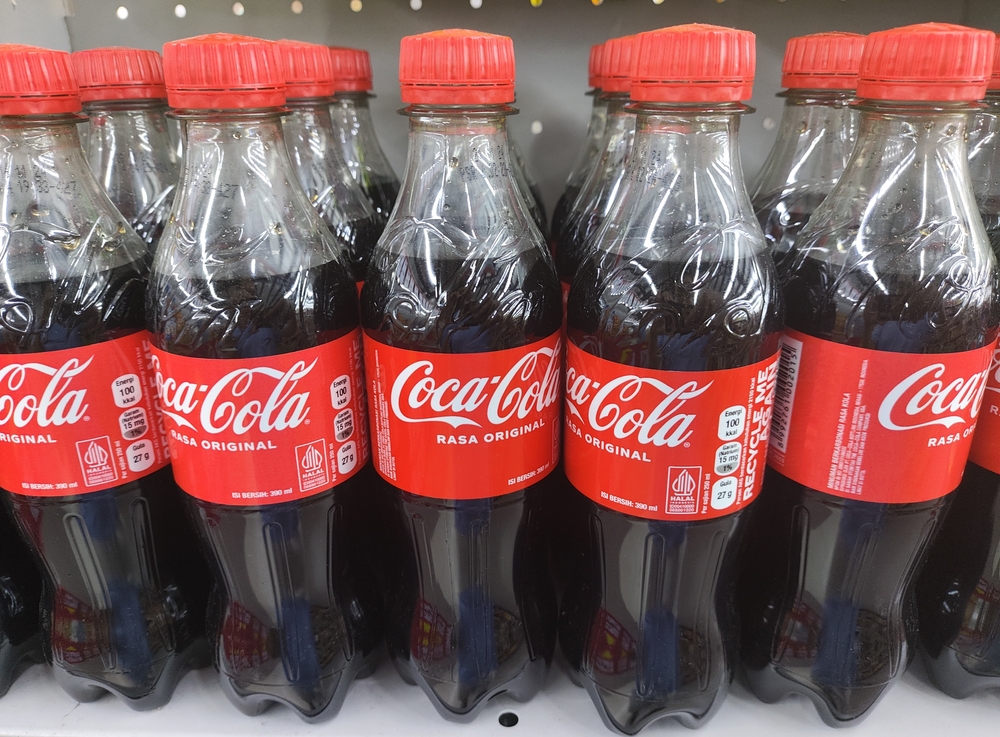
Trump's Claim About Coca-Cola and the Shift to Cane Sugar
President Donald Trump recently made headlines on his social media platform, Truth Social, by stating that Coca-Cola will be using cane sugar in its drinks in the United States. He shared, “I have been speaking to Coca-Cola about using REAL Cane Sugar in Coke in the United States, and they have agreed to do so.” Trump also praised the company, saying, “I’d like to thank all of those in authority at Coca-Cola. This will be a very good move by them — You’ll see. It’s just better!”
But is this change really as beneficial as Trump suggests?
Understanding High Fructose Corn Syrup
The main ingredient in Coca-Cola, aside from carbonated water, is high fructose corn syrup (HFCS). This sweetener is derived from cornstarch and undergoes chemical processing to convert glucose into fructose. While HFCS is widely used in processed foods and beverages due to its low cost and availability, it has raised concerns among health experts.
Julia Zumpano, a registered dietitian with the Cleveland Clinic, explains that fructose can lead to increased fat metabolism and fat accumulation in the liver. She also notes that it can raise blood triglyceride levels. “All forms of sugar can do that,” she says. “But what’s concerning is that HFCS is inexpensive, highly processed, and frequently used in many foods and drinks. Changing to a less processed, higher-quality sugar like cane sugar could potentially reduce consumption due to its higher cost.”
The Metabolism Difference Between Cane Sugar and HFCS
Cane sugar contains a slightly higher proportion of glucose compared to HFCS. According to Zumpano, this difference affects how the body processes the sugar. “Glucose is utilized as a form of energy, while fructose is primarily broken down in the liver,” she explains. “If you consume more fructose, your body metabolizes it through the liver, which can lead to fat storage if consumed in excess.”
This distinction highlights the potential impact of switching from HFCS to cane sugar, even though both are forms of sugar.
Will Coca-Cola Become Healthier?
Despite the shift to cane sugar, Zumpano does not consider Coca-Cola a healthy drink for regular consumption. However, she sees the move as a positive step toward offering consumers more choices. “The quantity and volume of consumption are more concerning than the type of sugar,” she says. “Whether it’s cane sugar, HFCS, or artificial sweeteners, I recommend limiting intake because all can have negative health effects when consumed in excess.”
The Broader Impact on Consumer Choices
The decision to use cane sugar may align with broader consumer trends. Globally, there is an increasing demand for zero-sugar sodas, which use artificial sweeteners and have fewer calories. According to recent data, Coca-Cola Zero Sugar saw a 9% sales increase in 2024, while classic Coca-Cola only grew by 2%.
This trend reflects a growing preference for healthier options, even among long-time soda drinkers. Companies like Coca-Cola are adapting by offering a variety of products to meet different consumer needs, whether that’s low-calorie, no-calorie, or other specialty versions.
CEO’s Perspective on Consumer Trends
At an investor conference in late 2024, Coca-Cola CEO James Quincey discussed the company’s approach to evolving consumer preferences. “We’ve learned to make sure we have options available for whatever choice you want to make,” he said. “Whether it’s low calorie, no calories, or other ingredients like protein or vitamins, we aim to provide the variety of choices that consumers want.”
Quincey emphasized that flexibility in product offerings has allowed Coca-Cola to stay relevant amid changing trends and regulatory environments. This strategy includes introducing new flavors and packaging options to cater to diverse tastes and dietary needs.
Final Thoughts
While the switch to cane sugar may not drastically improve the health profile of Coca-Cola, it represents a step toward greater transparency and consumer choice. As health awareness continues to grow, companies like Coca-Cola must balance tradition with innovation to meet the expectations of a changing market. Whether this shift will lead to significant health benefits remains to be seen, but it signals a broader movement toward more mindful consumption.

Post a Comment for "Trump Says Coke Is Switching to Cane Sugar, But Is It Better?"
Post a Comment