Trump Pushes Coca-Cola to Switch to Cane Sugar, But Consumers Resist
The Shift in Consumer Preferences and the Debate Over Sweeteners
The ongoing debate about whether Coca-Cola should use high-fructose corn syrup or cane sugar in its classic soda often overshadows a more significant trend: an increasing number of consumers are seeking Coca-Cola with no sugar at all. This shift is driving companies to adapt their product lines to meet changing demands.
Coca-Cola Zero Sugar, introduced in 2017, uses both artificial sweeteners like aspartame and natural sweeteners such as stevia. It has become one of the company's fastest-growing products, with global case volumes rising by 14% in the first quarter of this year. In contrast, the company's total case volumes only increased by 2%. This highlights how consumer preferences are moving toward low- or no-sugar options.
PepsiCo also reported that 60% of its sales volumes in major markets during the second quarter came from low- or no-sugar drinks. According to Duane Stanford, editor and publisher of Beverage Digest, the growth of zero-sugar colas is particularly notable.
Political Influence and Industry Response
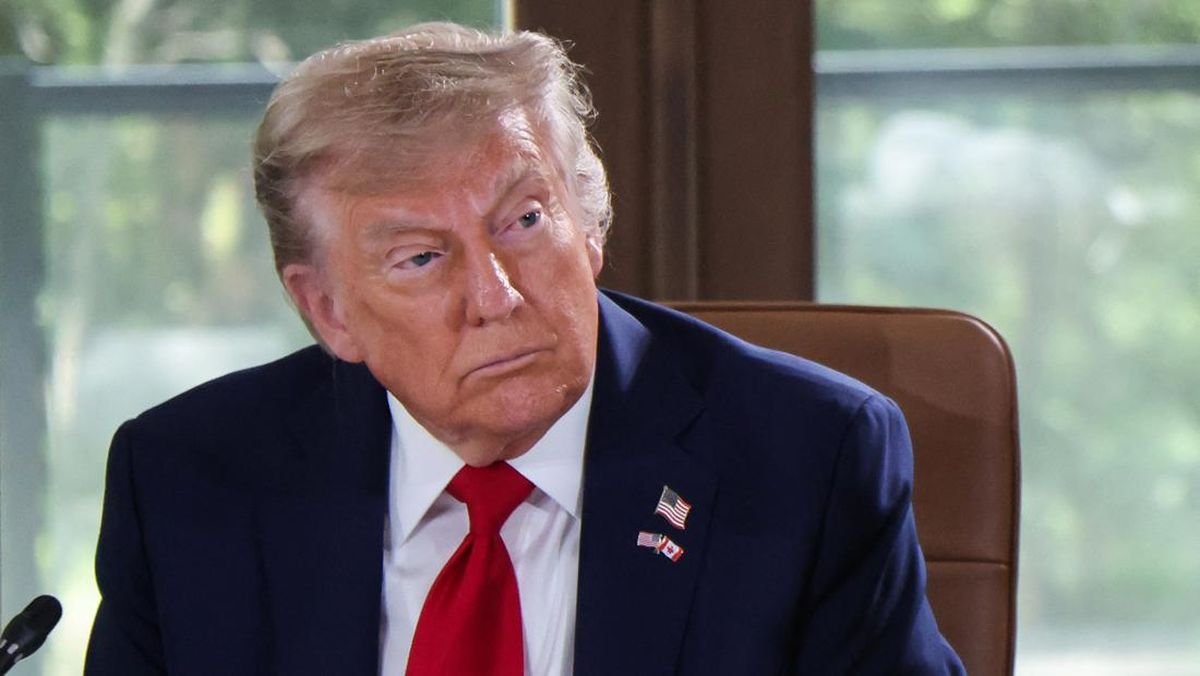
The discussion around sweeteners took a new turn when former President Donald Trump announced on social media that Coca-Cola had agreed to switch to using real cane sugar in the U.S. version of its beverage. He praised the move, stating it would be “a very good move” and that “you'll see. It's just better!”
However, Coca-Cola did not confirm the change. In a statement, the company expressed appreciation for Trump’s enthusiasm and mentioned that details about new offerings would be shared soon. Stanford doubts that Coca-Cola will fully transition away from high-fructose corn syrup, which has been used in the U.S. since the 1980s. He points out the logistical challenges and the fact that the U.S. does not produce enough sugar to meet Coca-Cola's needs.
Instead, he expects the company to introduce a cane sugar-sweetened version, similar to what Pepsi has done since 2009. Coca-Cola has also offered Mexican Coke, made with cane sugar, in the U.S. since 2005, positioning it as a premium alternative sold in glass bottles.
Industry Concerns and Public Health Implications
The corn industry was not pleased with the speculation surrounding the potential switch. John Bode, president and CEO of the Corn Refiners Association, stated that replacing high-fructose corn syrup with cane sugar makes no sense and could cost thousands of American jobs. Shares in ADM, a producer of high-fructose corn syrup, dropped nearly 2% after Trump’s announcement.
Coca-Cola defended high-fructose corn syrup, emphasizing that it is safe and metabolized similarly to table sugar. The company reiterated that its beverages do not contain harmful substances. The FDA also states there is no evidence of safety differences between foods sweetened with high-fructose corn syrup and those sweetened with traditional sugars.
Changing Trends and Consumer Choices
Soft drink preferences have always been subjective, but recent trends show that companies like Coca-Cola must focus on low- and no-sugar options to meet growing consumer demand. According to Stanford, original Coke remained the top seller in the U.S. last year with a 19% market share, while Coke Zero Sugar ranked seventh with a 4% share. However, Coke Zero Sugar saw a 10% increase in market share, while original Coke remained flat.
Paige Leyden, associate director of food service, flavors, and ingredients reports at Mintel, noted that drinks with a health halo, such as Olipop, are putting pressure on traditional soda makers. Mintel predicts full-sugar sodas will see a 3.4% rise in U.S. sales this year, while diet sodas are expected to grow by 11.8%.
Health Perspectives and Guidelines
Despite these trends, nutritionists advise against consuming added sugars, regardless of the form, due to their empty calories and lack of nutrients. The 2020 U.S. dietary guidelines recommend limiting foods and beverages high in added sugars, with children under 2 advised to avoid them entirely.
Health Secretary Robert F. Kennedy, known for his unique views on nutrition, has spoken out against sugar, calling it “poison.” His agency is set to release updated nutrition guidelines later this year. Kennedy also highlighted concerns over artificial sweeteners in a government report issued in May, further fueling the debate over what constitutes a healthy beverage choice.

Post a Comment for "Trump Pushes Coca-Cola to Switch to Cane Sugar, But Consumers Resist"
Post a Comment