Trump Claims Coke Will Switch to Cane Sugar, But Consumers Crave No Sugar
The Growing Demand for No-Sugar Options in the Beverage Industry
The ongoing debate over whether Coca-Cola should use high-fructose corn syrup or cane sugar in its iconic soda often overshadows a critical trend: more consumers are seeking Coke with no sugar at all. This shift in consumer preferences is reshaping the beverage landscape, pushing major companies to adapt their product lines.
Coca-Cola Zero Sugar, introduced in 2017, has become one of the company’s fastest-growing products. It uses both artificial sweeteners like aspartame and natural sweeteners such as stevia. According to recent data, global case volumes for this product increased by 14% in the first quarter of the year, significantly outpacing the company’s overall growth of 2%. Similarly, PepsiCo reported that 60% of its sales in major markets during the second quarter came from low- or no-sugar drinks.
Duane Stanford, editor and publisher of Beverage Digest, highlighted the importance of zero-sugar options in the cola market. “The percentage of growth coming from zero sugar is significant,” he said, pointing to a clear shift in consumer behavior.
A Political Push for Cane Sugar
The discussion around sweeteners took a political turn when former President Donald Trump announced that Coca-Cola had agreed to switch to using cane sugar in the U.S. version of its regular soda. He praised the move on social media, calling it a positive step forward. However, Coca-Cola did not officially confirm the change. In a statement, the company expressed appreciation for Trump’s enthusiasm but emphasized that details about new offerings would be shared soon.
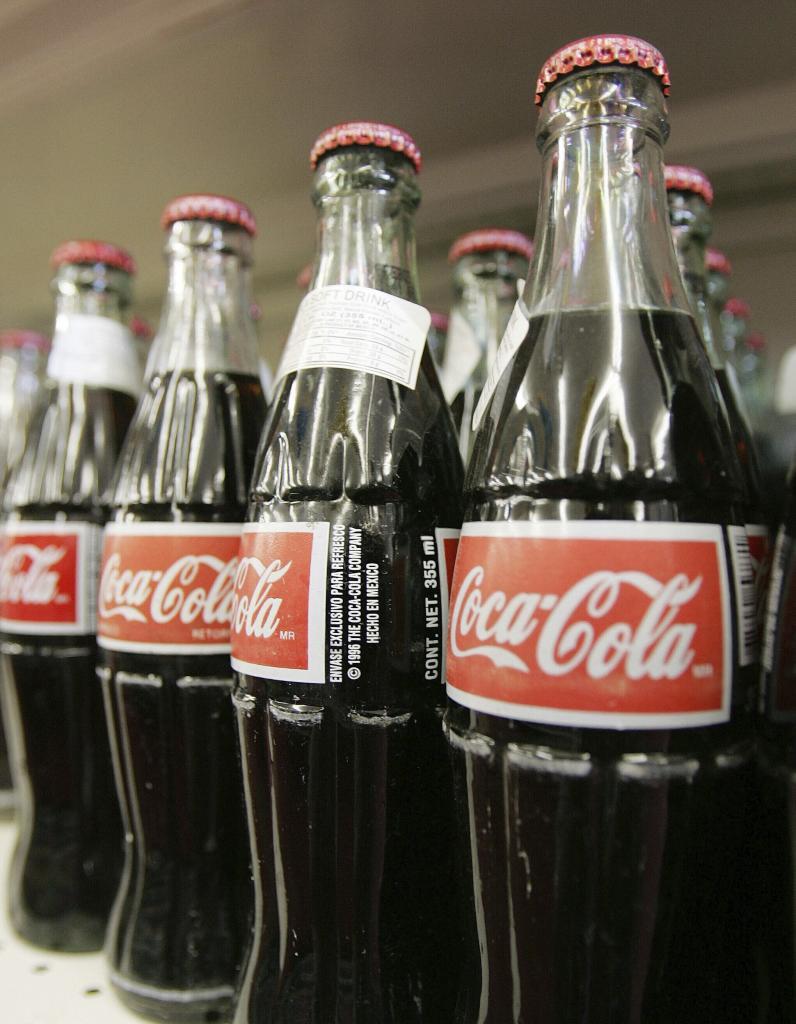
Stanford remains skeptical about a full-scale switch away from high-fructose corn syrup. He pointed out that the U.S. does not produce enough cane sugar to meet Coca-Cola’s demands, and there would be significant logistical challenges involved. Instead, he expects the company to offer a cane sugar-sweetened version similar to what Pepsi has done since 2009. Coca-Cola has also been selling Mexican Coke, which uses cane sugar, since 2005, positioning it as an upscale alternative available in glass bottles.
Industry Reactions and Concerns
The speculation about switching to cane sugar was met with resistance from the corn industry. John Bode, president and CEO of the Corn Refiners Association, argued that replacing high-fructose corn syrup with cane sugar would not make sense and could lead to job losses in the manufacturing sector. Shares of ADM, a major producer of high-fructose corn syrup, dropped nearly 2% following Trump’s announcement.
Coca-Cola defended the use of high-fructose corn syrup, stating that it is just as safe as table sugar and metabolized similarly by the body. The FDA has also noted that there is no evidence of safety differences between foods sweetened with high-fructose corn syrup and those sweetened with traditional sugars.
Shifting Consumer Preferences and Health Trends
Despite these claims, consumer trends suggest that soft drink manufacturers must focus on low- and no-sugar options. According to Stanford, original Coke remained the top-selling soda in the U.S. last year, with a 19% market share. However, Coke Zero Sugar saw a 10% increase in market share, while original Coke’s share remained flat.
Paige Leyden, associate director of food service, flavors, and ingredients reports at Mintel, noted that products like Olipop, which contains only 1 gram of sugar compared to the 65 grams in original Coke, are putting pressure on traditional soda brands. Mintel predicts that full-sugar sodas will see a 3.4% sales increase this year, while diet sodas are expected to grow by 11.8%.
Health Considerations and Government Influence
Nutritionists advise consumers to avoid added sugars, regardless of their source, due to their empty calories and lack of nutrients. The 2020 U.S. dietary guidelines recommend limiting foods and beverages high in added sugars, with children under 2 advised to avoid them entirely.
Health Secretary Robert F. Kennedy has taken a strong stance against sugar, calling it “poison” and urging Americans to be aware of its dangers. His agency is set to release updated nutrition guidelines later this year. Additionally, a government report issued in May raised concerns about artificial sweeteners like aspartame.
As the beverage industry continues to evolve, the push for healthier options is likely to remain a key factor in shaping future product development and consumer choices.

Post a Comment for "Trump Claims Coke Will Switch to Cane Sugar, But Consumers Crave No Sugar"
Post a Comment